10 Easy Ways How to Grow Manganese Citrus
Growing citrus trees with adequate manganese availability requires understanding the delicate balance between soil chemistry and micronutrient uptake. Manganese deficiency in citrus orchards appears as interveinal chlorosis on young leaves, stunting fruit development and reducing overall yield. Learning how to grow manganese citrus successfully means mastering soil pH management, chelated nutrient applications, and recognizing the symptoms before they compromise your harvest.
Materials
Soil preparation begins with a baseline pH test. Citrus trees thrive in slightly acidic conditions between 6.0 and 6.5, where manganese solubility reaches optimal levels. Alkaline soils above 7.2 bind manganese into unavailable forms, triggering deficiency even when total manganese content appears sufficient.
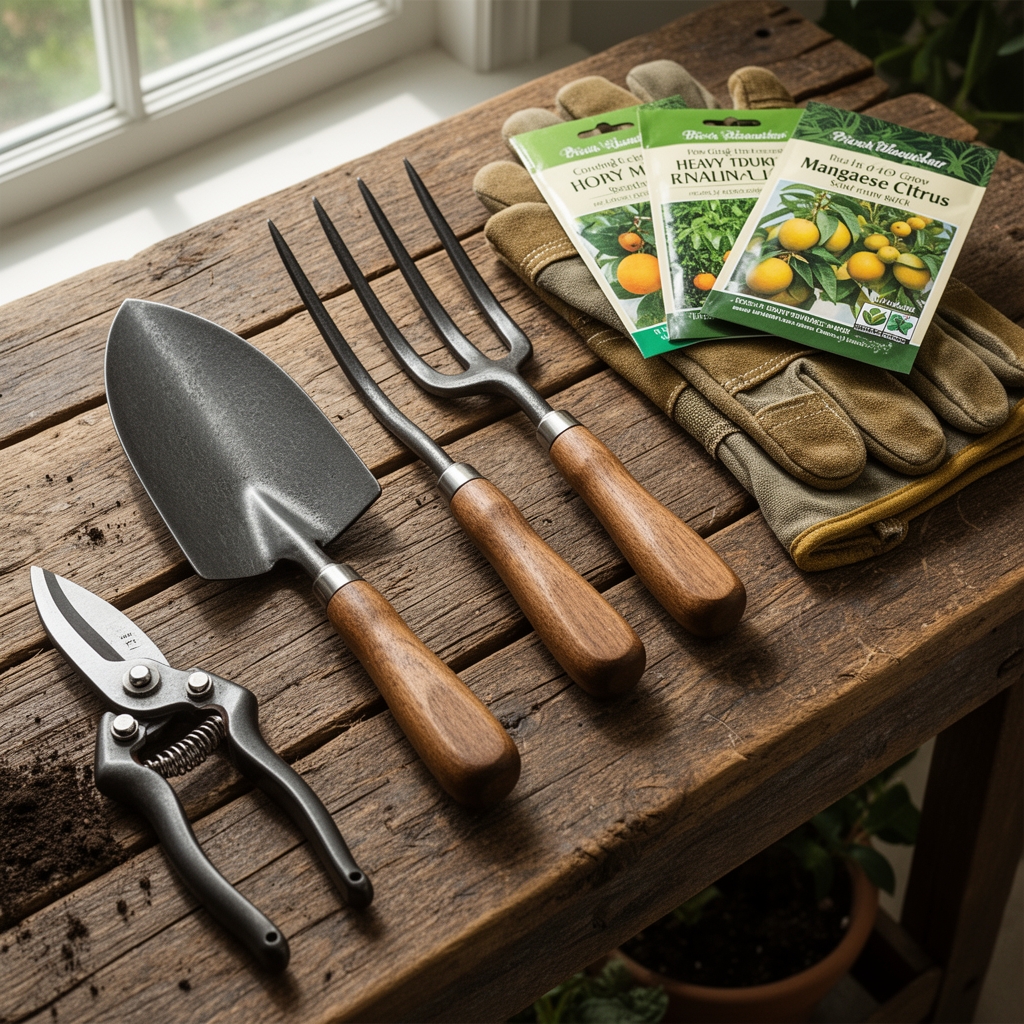
Select a balanced organic fertilizer with an NPK ratio of 4-4-4 or 5-3-3 for young trees. Mature specimens benefit from 8-3-9 formulations that support flowering and fruiting. Supplement with manganese sulfate (MnSO4) at 2-4 ounces per 100 square feet when foliar analysis reveals levels below 25 ppm in leaf tissue.
Chelated manganese products like MnEDTA provide faster correction in alkaline conditions. These compounds protect manganese ions from oxidation and precipitation. Mix amendments into the top 12 inches of native soil, avoiding concentrated pockets that can cause root burn.
Organic matter improves cation exchange capacity. Incorporate 3-4 inches of aged compost or pine bark mulch annually. These materials buffer pH fluctuations and enhance manganese retention in sandy soils with low clay content.
Timing
Citrus cultivation succeeds in USDA Hardiness Zones 9 through 11. In Zone 9, select cold-hardy varieties like Satsuma mandarin or Meyer lemon. In Zone 8b microclimates, containerized trees moved indoors before the first frost extend the growing range.
Plant citrus between March and May when soil temperatures stabilize above 60°F. This window allows root establishment before summer heat stress. In frost-free regions, fall planting from September through November capitalizes on winter rainfall without exposing tender growth to cold snaps.
Apply manganese foliar sprays during active growth periods. Spring applications from bud break through bloom address deficiencies before fruit set. A second application in late summer supports autumn flush growth. Avoid spraying during temperatures above 85°F to prevent leaf burn.
Phases
Sowing: Most citrus propagation occurs through grafted nursery stock rather than seed. Rootstocks like Carrizo citrange or Flying Dragon trifoliate orange provide disease resistance and control mature tree size. If starting from seed, surface-sterilize with 10% bleach solution for 10 minutes, then plant 1 inch deep in sterile potting mix with pH 6.2.
Pro-Tip: Inoculate seedling roots with mycorrhizal fungi (Glomus intraradices) at planting. These symbiotic organisms extend nutrient absorption surface area by 100-1000 times, improving manganese uptake in marginal soils.
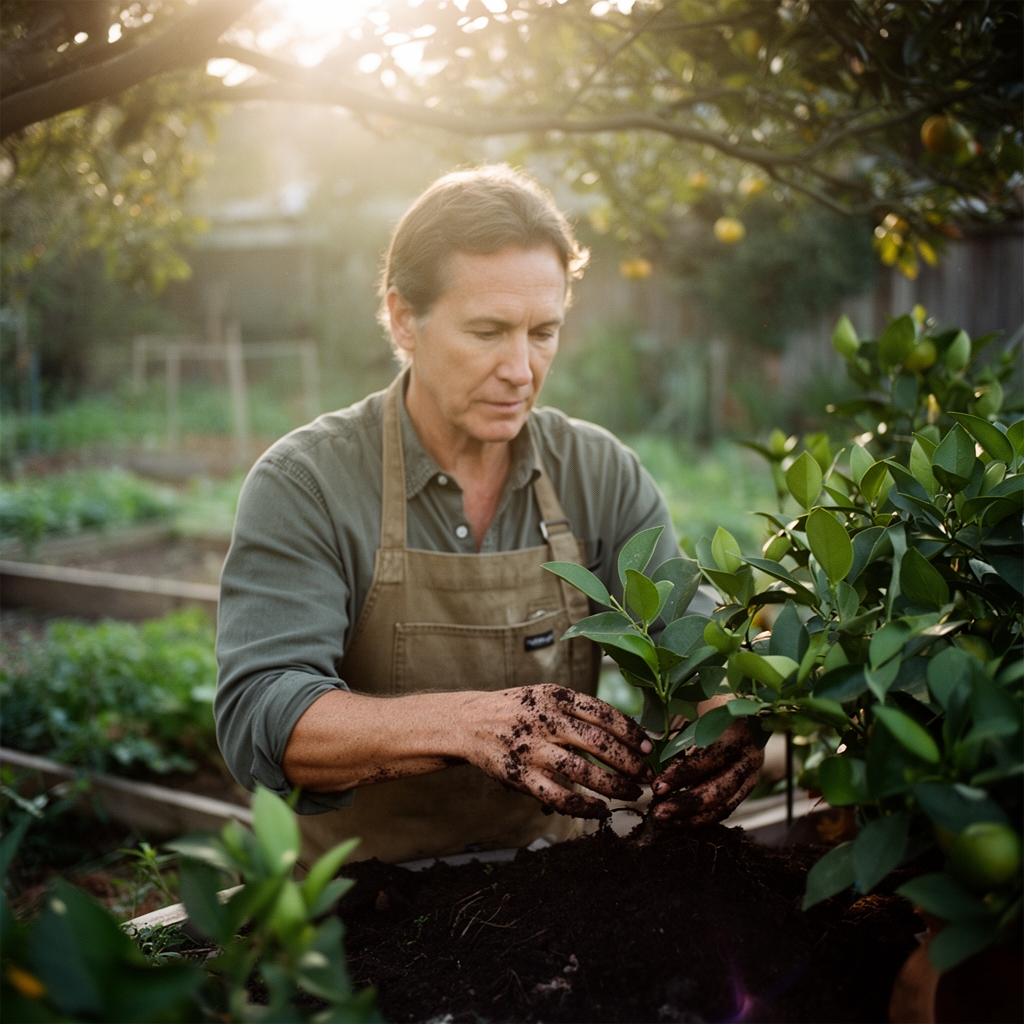
Transplanting: Dig planting holes twice the width of the root ball but no deeper. Citrus roots require oxygen and suffer in compacted subsoil. Position the graft union 4-6 inches above final grade to prevent rootstock suckering and soilborne disease.
Remove circling roots with sterilized pruning shears. These deformities restrict water and nutrient transport as the tree matures. Backfill with native soil amended with 20% compost. Create a 4-inch berm at the drip line to direct irrigation toward the root zone.
Pro-Tip: Cut scaffold branches at 45-degree angles during transplanting to encourage lateral branching. This establishes an open-center canopy that improves light penetration and auxin distribution.
Establishing: Water transplants with 10 gallons twice weekly for the first month, then transition to deep weekly irrigation. Young trees require consistent moisture to drive root expansion into surrounding soil. Apply manganese sulfate at half-strength (1 ounce per tree) 60 days after transplanting.
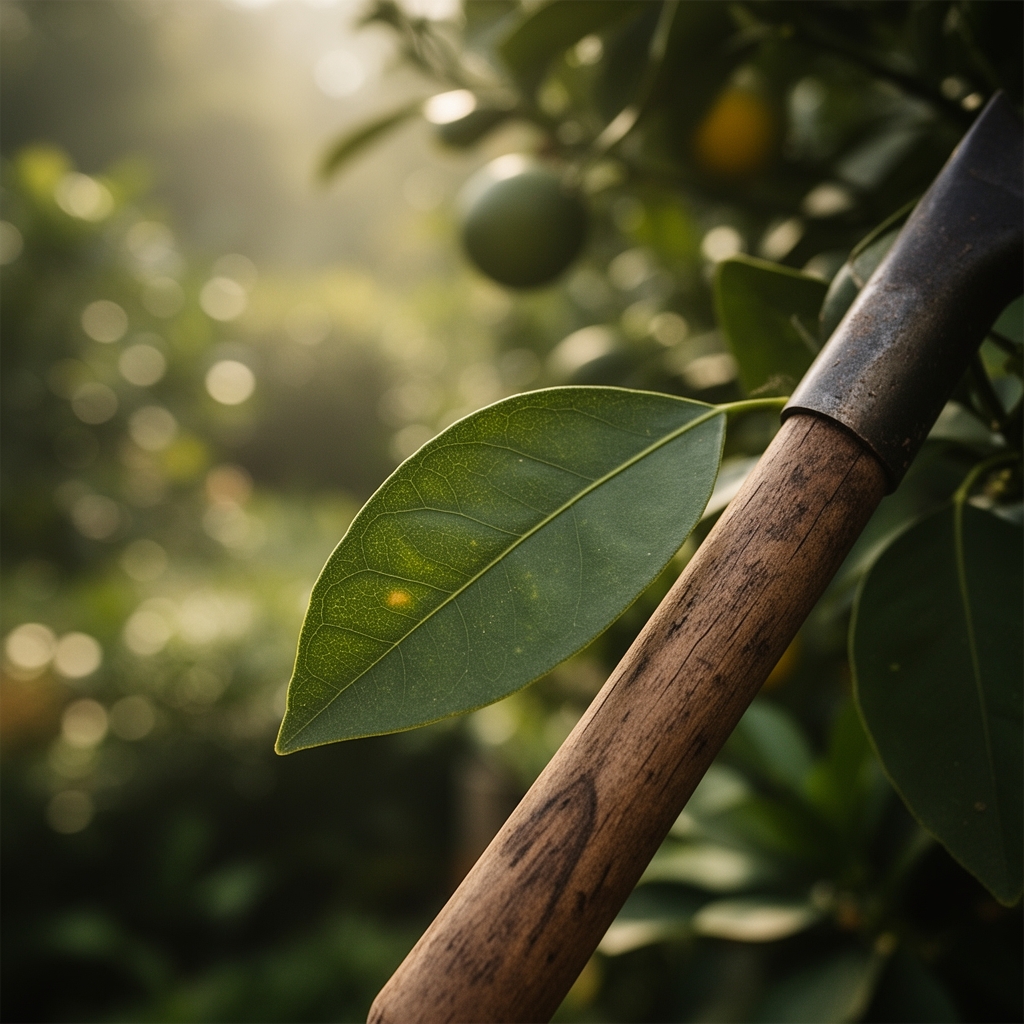
Monitor new leaf tissue for deficiency symptoms. Manganese-deficient leaves display dark green veins against pale yellow interveinal tissue, distinct from iron chlorosis which affects the entire leaf more uniformly.
Pro-Tip: Apply a 3-inch layer of wood chip mulch in a 3-foot radius, keeping material 6 inches from the trunk. This regulates soil temperature, conserves moisture, and feeds decomposer organisms that chelate micronutrients naturally.
Troubleshooting
Symptom: Interveinal chlorosis on young leaves with green veins remaining dark.
Solution: Apply manganese sulfate foliar spray at 2 tablespoons per gallon. Reapply every 14 days until new growth shows uniform green color. Lower soil pH with elemental sulfur at 1 pound per 100 square feet if testing above 7.0.
Symptom: Stunted growth with small, narrow leaves clustering at branch tips.
Solution: Test for zinc deficiency, which often accompanies manganese problems. Apply zinc sulfate and manganese sulfate combination sprays. Address overliming that reduces both micronutrient availabilities.
Symptom: Premature fruit drop and reduced flowering.
Solution: Increase manganese and boron availability. Foliar applications of both nutrients support reproductive development. Ensure trees receive 1.5 inches of water weekly during bloom and fruit set.
Symptom: Sooty mold coating leaves and fruit.
Solution: Control aphids and scale insects that excrete honeydew. Spray horticultural oil at 2% concentration during dormancy. Manganese-deficient trees show increased susceptibility to piercing-sucking pests.
Maintenance
Irrigate established trees with 1-1.5 inches of water weekly during the growing season. Reduce frequency in winter to every 10-14 days. Install a soil moisture meter at 12-inch depth to avoid overwatering that leaches manganese below the root zone.
Fertilize three times annually: February, May, and September. Apply 1 pound of 8-3-9 fertilizer per year of tree age, maximum 10 pounds for mature specimens. Broadcast evenly from 1 foot beyond the trunk to the drip line.
Prune dead wood and crossing branches during late winter dormancy. Remove water sprouts and suckers below the graft union immediately upon appearance. Maintain canopy height at 8-10 feet for easier harvest and pest management.
FAQ
How often should I test soil manganese levels?
Test every 2-3 years or when deficiency symptoms appear. Laboratory analysis of both soil and leaf tissue provides the most accurate assessment. Collect leaf samples from non-fruiting terminals in late summer.
Can I use chelated manganese in organic production?
Natural chelates like lignosulfonate-bound manganese qualify for organic certification. Synthetic chelates like EDTA generally do not. Check with your certifying agency before application.
Why do alkaline soils cause manganese deficiency?
Above pH 7.0, manganese oxidizes from the soluble Mn2+ form to insoluble Mn4+ oxides. Roots cannot absorb these compounds despite adequate total manganese in soil. Lowering pH increases ion availability.
What distinguishes manganese from iron deficiency?
Manganese deficiency appears first on young leaves with distinct dark veins. Iron chlorosis affects the entire leaf surface and appears on the youngest growth. Tissue testing confirms which nutrient requires supplementation.
Do containerized citrus need more frequent manganese applications?
Yes. Container media drain rapidly, leaching micronutrients faster than ground soil. Apply half-strength manganese sulfate solution monthly during active growth. Use controlled-release micronutrient formulations to reduce application frequency.