5 Simple Ways How to Use Potassium Bicarbonate
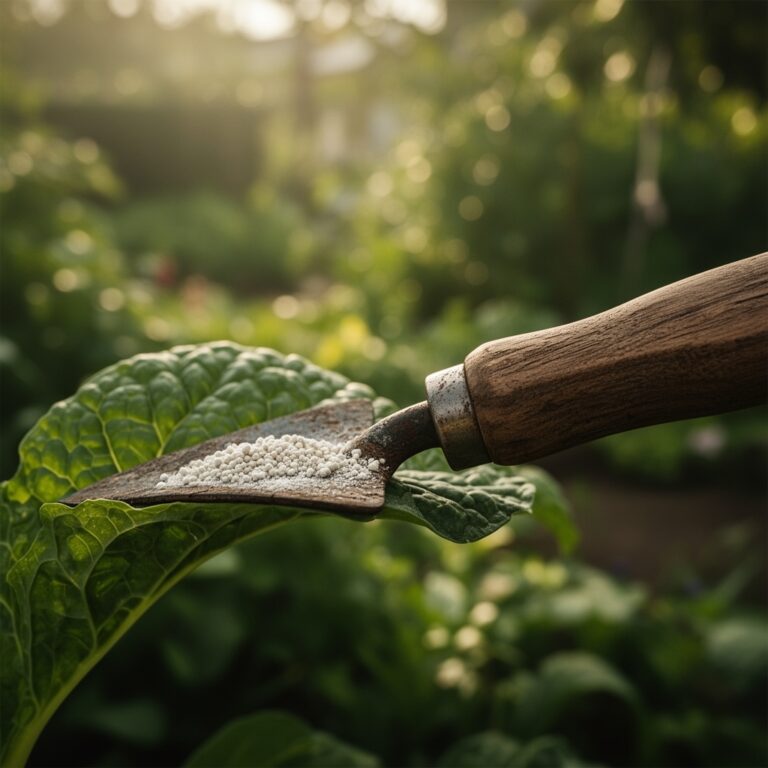
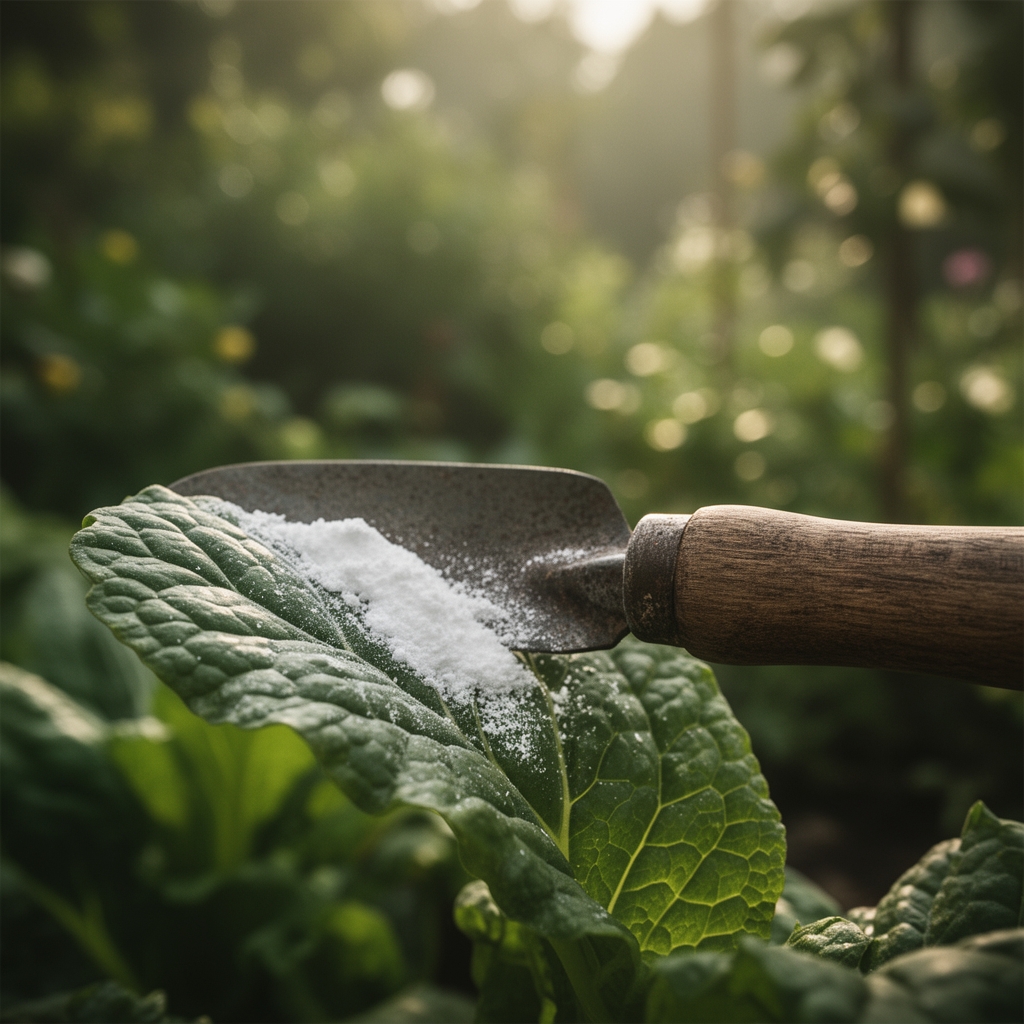
Potassium bicarbonate arrives in the greenhouse as a crystalline powder that dissolves into irrigation water or foliar sprays, shifting the pH upward while delivering 39% potassium by weight. Gardeners who learn how to use potassium bicarbonate discover a dual-purpose compound: it suppresses fungal pathogens on leaf surfaces and corrects potassium deficiency in fruiting crops without the chloride load of muriate of potash. This white salt, formula KHCO₃, works fastest when mixed at 1 to 2 tablespoons per gallon for foliar application or incorporated into drip lines at 0.5 to 1.0 pounds per 100 square feet of bed. Understanding how to use potassium bicarbonate requires recognizing its alkaline drift, typically raising spray-tank pH to 7.5-8.3, which denatures the cell walls of powdery mildew and black spot spores on contact.
Materials
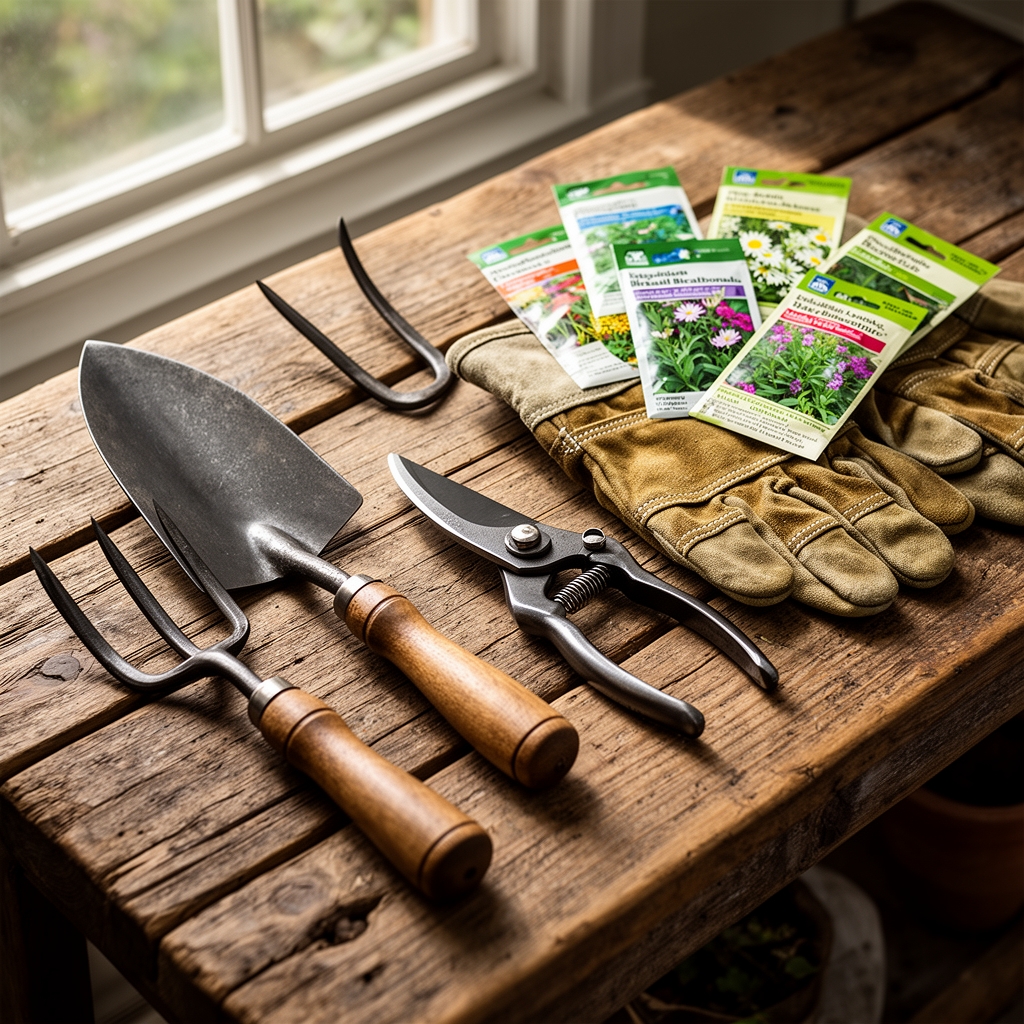
Potassium bicarbonate itself carries an NPK profile of approximately 0-0-39, delivering only potassium and carbonate ions. Pair it with a complete organic amendment such as feather meal (12-0-0) or bone meal (3-15-0) to balance nitrogen and phosphorus inputs. For foliar work, collect a 1-gallon pump sprayer, a digital gram scale accurate to 0.1 g, pH test strips spanning 6.0 to 9.0, and a surfactant such as insecticidal soap at 1 teaspoon per gallon to improve leaf wetting. Soil applications demand a broadfork or garden fork to incorporate the bicarbonate into the top 6 inches, preventing surface crusting. Choose distilled or reverse-osmosis water for mixing; municipal water with hardness above 150 ppm can precipitate calcium carbonate and clog nozzles. A cation exchange capacity test (CEC) of your native soil clarifies whether clay loam will buffer the alkalinity or whether sandy profiles will swing pH excessively.
Timing
Apply potassium bicarbonate in early spring once soil temperatures reach 50°F at 4-inch depth, typically two weeks before the last frost date in Hardiness Zones 5 through 7. Foliar applications begin at bud break for tree fruit, coinciding with the first green-tip stage when fungal spores germinate on wet tissue. In Zones 8 through 10, initiate sprays in late winter as evergreen crops resume active transpiration. Repeat foliar treatments every 7 to 10 days during periods of high humidity above 70% or after rainfall exceeding 0.5 inches. Soil incorporation occurs in fall, six weeks before the first hard freeze, allowing microbial populations to equilibrate the pH shift before dormancy. Avoid midday sprays when leaf temperatures exceed 85°F; early morning application between 6:00 and 9:00 a.m. maximizes stomatal uptake and minimizes phytotoxic burn.
Phases

Sowing: Dust seed furrows with 1 tablespoon of potassium bicarbonate per 10 linear feet to suppress damping-off fungi such as Pythium and Rhizoctonia. The alkaline microsurface inhibits zoospore motility in waterlogged conditions. Mix the powder with an equal volume of milled sphagnum peat to improve flowability through hand seeders. Pro-Tip: Inoculate legume seeds with Rhizobium bacteria before dusting; the bicarbonate does not harm nitrogen-fixing nodule formation and may reduce Fusarium colonization on radicles.
Transplanting: Drench transplant holes with a solution of 2 tablespoons potassium bicarbonate per gallon of water, applying 1 cup per hole for 4-inch starts and 2 cups for gallon containers. This saturates the root zone with potassium, accelerating auxin distribution to lateral roots and firming cell walls against transplant shock. Wait 10 minutes for soil absorption, then set the rootball and backfill with native soil amended with compost at a 3:1 ratio. Pro-Tip: Prune fibrous roots at a 45-degree angle with sterilized shears dipped in the bicarbonate solution; the cut surfaces resist Pythium invasion for 72 hours post-transplant.
Establishing: Spray emerging foliage weekly for the first month, targeting the adaxial (upper) and abaxial (lower) leaf surfaces to interrupt fungal life cycles. Use 1.5 tablespoons per gallon, ensuring runoff drips from leaf margins. Monitor new growth for potassium-deficiency symptoms: marginal chlorosis progressing to necrotic scorch on older leaves. Side-dress with 0.25 pounds of potassium bicarbonate per 10 square feet if leaf-tissue analysis shows potassium below 2.5% dry weight. Pro-Tip: Incorporate mycorrhizal fungi (Glomus intraradices) at transplant; the symbiosis increases potassium uptake efficiency by 18% and reduces bicarbonate requirements by one-third over the season.
Troubleshooting
Symptom: White crystalline residue on leaf surfaces 24 hours post-spray.
Solution: The bicarbonate concentration exceeded 2 tablespoons per gallon, causing salt burn. Rinse foliage with plain water and reduce future applications to 1 tablespoon per gallon with 0.5 teaspoons of yucca extract as an adjuvant.
Symptom: Leaf tips curling upward, interveinal chlorosis on new growth.
Solution: Soil pH has risen above 7.8, locking out iron and manganese. Apply chelated iron (Fe-EDDHA) at 1 ounce per 10 square feet and suspend bicarbonate applications for three weeks. Retest pH before resuming.
Symptom: Powdery mildew persists despite weekly sprays.
Solution: Humidity remains above 80% overnight, allowing spore recolonization. Increase air circulation with oscillating fans delivering 200 CFM per 100 square feet and add 1 tablespoon of neem oil per gallon to the bicarbonate solution for residual antifungal action.
Symptom: Blossom-end rot on tomatoes after soil application.
Solution: Excess potassium competes with calcium uptake. Broadcast gypsum (calcium sulfate) at 2 pounds per 100 square feet and foliar-feed with calcium chloride at 1 teaspoon per gallon every 5 days until fruit set.
Maintenance
Water transplants with 1 inch of water per week, measured with a rain gauge placed at canopy level. Reapply potassium bicarbonate foliar sprays every 10 days during fruiting, when potassium demand peaks at 0.3 pounds per 100 square feet per week for determinate tomatoes. Cultivate soil shallowly at 2-inch depth to prevent bicarbonate crusting, which reduces water infiltration by 40%. Mulch with 3 inches of shredded hardwood bark to moderate pH swings and maintain even moisture.
FAQ
Can potassium bicarbonate replace fungicides?
It controls powdery mildew, black spot, and downy mildew on contact but offers no systemic protection. Rotate with sulfur dust (90% wettable) every third application for broad-spectrum coverage.
How often should I test soil pH after applications?
Test every four weeks if applying more than 1 pound per 100 square feet monthly. Sandy soils require biweekly monitoring due to low buffering capacity.
Is potassium bicarbonate safe for edible crops?
Yes. The compound degrades into potassium ions, water, and carbon dioxide, with no harvest interval required. Rinse produce under running water before consumption.
Will it harm beneficial insects?
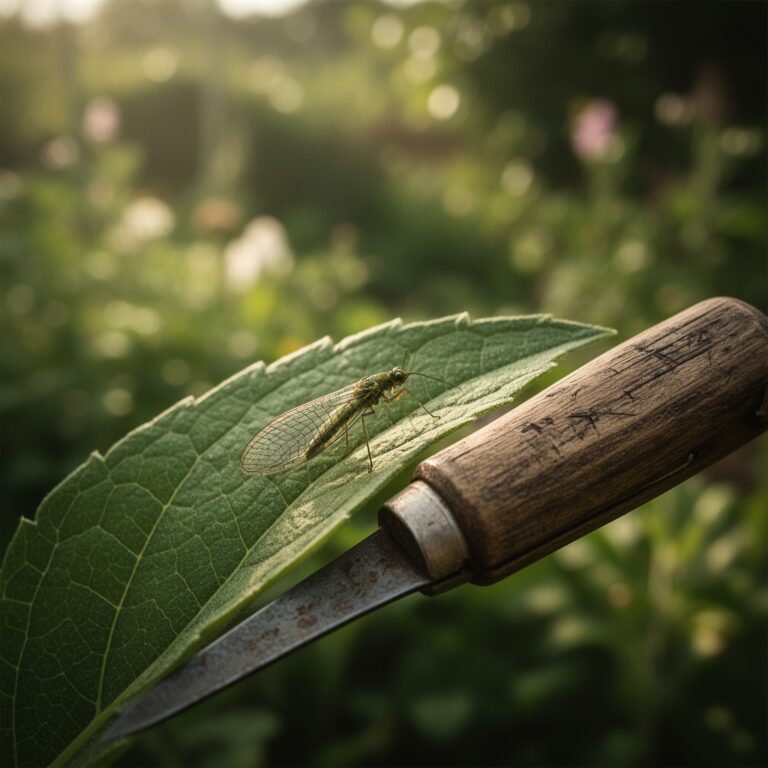
No. The alkaline spray desiccates only soft-bodied arthropods such as aphids and spider mites at concentrations above 3 tablespoons per gallon. Predatory mites and lacewings tolerate standard 1.5-tablespoon solutions.
Can I combine it with calcium sprays?
No. Calcium reacts with carbonate to form insoluble calcium carbonate precipitate. Apply calcium foliar feeds 48 hours before or after bicarbonate treatments to avoid clogging sprayers.