6 Constant-Bloom Benefits of Specialized African Violet Fertilizer
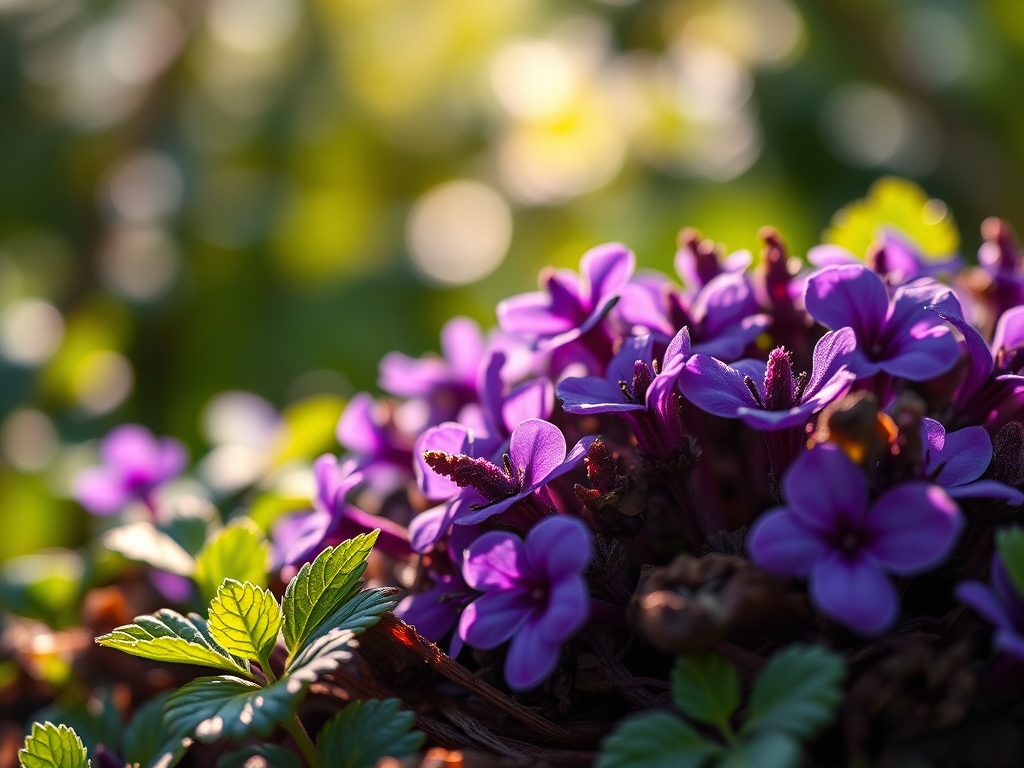
The scent of damp peat and perlite signals a healthy rhizosphere. A turgid African Violet leaf snaps with a clean, audible crack when bent; this indicates optimal cellular hydration and internal osmotic pressure. Achieving this level of physiological vigor requires more than casual care. Using a specialized violet fertilizer is the only way to bypass the limitations of generic potting mixes that often lack the specific micronutrient density these Gesneriads demand. These plants are native to the high-altitude cloud forests of the Eastern Arc Mountains in Tanzania and Kenya. They evolved in shallow, leaf-litter pockets where nutrient cycling is rapid but localized. In a domestic setting, the soil volume is finite. Without precise chemical intervention, the Cation Exchange Capacity of the substrate quickly depletes. A specialized formula provides the exact mineral ratios required to trigger the transition from vegetative leaf production to the reproductive flowering stage. This guide details the technical requirements for maintaining constant blooms through targeted soil science and metabolic support.
Materials:

African Violets require a substrate with a **pH between 5.8 and 6.2**. If the pH rises above 6.5, essential micronutrients like iron and manganese become chemically locked and unavailable to the roots. The ideal substrate is a **friable loam** consisting of 50 percent peat moss, 25 percent perlite, and 25 percent vermiculite. This mixture ensures a high porosity rate for gas exchange.
When selecting a specialized fertilizer, the NPK ratio is the most critical data point. Look for a 7-7-7 or 12-36-14 analysis. The high phosphorus (the middle number) is essential for ATP production and floral initiation. Avoid fertilizers that use urea as a nitrogen source; African Violets lack the specific urease enzymes in their root zones to break it down efficiently. Instead, prioritize formulas containing ammoniacal nitrogen and nitrate nitrogen. Additionally, the fertilizer must include trace amounts of 0.05% Iron, 0.05% Manganese, and 0.02% Copper to prevent metabolic stalling.
Timing:
While African Violets are typically grown indoors, they are sensitive to the ambient conditions of USDA Hardiness Zones 10 through 12. In cooler zones, indoor supplemental heating can drop humidity levels below the required 50 to 60 percent range. The biological clock of the plant is governed by the photoperiod. To maintain constant blooms, the plant requires 12 to 14 hours of light followed by 8 hours of total darkness.
The transition from the vegetative stage to the reproductive stage occurs when the plant reaches a specific carbohydrate-to-nitrogen ratio. Using a specialized violet fertilizer during the spring and summer months accelerates this process. During the winter solstice, even indoors, growth may slow. Reduce fertilizer concentration by 50 percent during these six weeks to prevent salt accumulation in the soil while the plant's metabolic rate is lower.
Phases:

Sowing and Propagation
Propagating from leaf cuttings is the most effective way to clone a specimen. Cut a healthy leaf at a 45-degree angle using a sterilized blade. Insert the petiole into a moist, sterile medium.
Pro-Tip: The use of a rooting hormone containing Indole-3-butyric acid (IBA) triggers auxin suppression in the leaf blade and redirects energy to the callus site. This hormonal shift is the biological why behind rapid adventitious root formation.
Transplanting
Transplant young plantlets once they reach approximately 2 inches in diameter. Choose a pot that is exactly one-third the diameter of the leaf span. Over-potting leads to perched water tables and root rot.
Pro-Tip: Dust the root ball with mycorrhizal fungi during the move. This symbiotic relationship increases the surface area of the root system, allowing the plant to uptake phosphorus more efficiently from the specialized fertilizer.
Establishing
Once the plant is in its permanent vessel, establish a "constant feed" regimen. Mix the specialized fertilizer at 1/4 strength and apply it every time you water. This prevents the "boom and bust" nutrient cycles that cause physiological stress.
Pro-Tip: Maintain a consistent soil temperature of 65 to 75 degrees Fahrenheit. Cold water or soil triggers a stress response that closes the stomata, halting photosynthesis and delaying the bloom cycle.
The Clinic:
Monitoring the plant for physiological disorders is essential for long-term health.
- Symptom: Nitrogen Chlorosis. The older, lower leaves turn a pale yellow while the veins remain slightly green.
- Solution: Increase the frequency of your specialized fertilizer application. Ensure the nitrogen source is nitrate-based for immediate uptake.
- Symptom: Tight, Brittle Center Growth. The crown of the plant becomes crowded, greyish, and brittle.
- Solution: This is often a sign of zinc deficiency or over-fertilization leading to salt toxicity. Flush the soil with distilled water and recalibrate your dilution ratios.
- Symptom: Peduncle Abscission. Flower buds form but drop before opening.
- Solution: Check the potassium levels. Using a specialized violet fertilizer with a potassium (K) rating of at least 10 ensures the structural integrity of the flower stalks.
Fix-It: If the soil surface develops a white, crusty film, these are accumulated fertilizer salts. Flush the pot with a volume of water equal to three times the pot volume to leach the excess minerals.
Maintenance:
Precision is the hallmark of a master horticulturist. Use a soil moisture meter to ensure the substrate never drops below 20 percent moisture content. African Violets prefer bottom-watering to keep the foliage dry. Place the pot in a saucer with 1 inch of water and allow it to capillary up for 20 minutes.
Use a hori-hori knife to gently loosen the top half-inch of soil every three months to prevent compaction. If you notice "suckers" (small secondary crowns) forming at the base, use bypass pruners or a sharp scalpel to remove them. These suckers divert energy away from the primary apical meristem and reduce the total flower count.
The Yield:
While not an edible crop, the "yield" of an African Violet is its floral display. For maximum "day-one" freshness of the blooms, deadhead spent flowers immediately. Use sterilized snips to cut the pedicel as close to the main stem as possible without damaging the leaf axil.
When the plant is in full bloom, avoid moving it to a different location. A sudden change in light intensity or temperature can trigger ethylene gas production, causing the plant to drop its flowers prematurely. If you must move the plant for display, do so gradually over a period of four days.
FAQ:
How often should I use specialized fertilizer?
Apply a 1/4 strength dilution of specialized fertilizer every time you water. This constant-feed method mimics the natural nutrient availability in the wild and prevents the salt shocks associated with monthly full-strength feeding.
Can I use all-purpose 10-10-10 fertilizer?
No. Standard fertilizers often contain urea, which can burn the sensitive roots of African Violets. Specialized formulas provide the specific micronutrients and nitrate-based nitrogen required for the unique metabolic pathways of Gesneriads.
Why are my violet leaves turning yellow?
Yellowing leaves, or chlorosis, usually indicate a nitrogen deficiency or a pH imbalance. If the soil pH rises above 6.2, the plant cannot absorb nitrogen effectively. Check your water pH and use a specialized fertilizer.
What is the best NPK ratio for blooms?
A ratio with high phosphorus, such as 12-36-14, is ideal for stimulating flower production. The phosphorus provides the chemical energy needed for the plant to transition from leaf growth to the reproductive blooming phase.