6 Productive-Crop Benefits of Specialized Herb Soil
Using a specialized herb soil transforms container-grown herbs from leggy, pale specimens into compact plants with concentrated essential oils. The difference becomes apparent within fourteen days of transplanting: basil leaves develop deeper green coloration, rosemary stems thicken by approximately 30%, and thyme produces lateral branches at every second node rather than every fourth. A specialized formulation balances drainage velocity with nutrient availability, maintaining pH between 6.0 and 7.0 while supporting the mycorrhizal fungi networks that Mediterranean herbs require for terpene production.
Materials
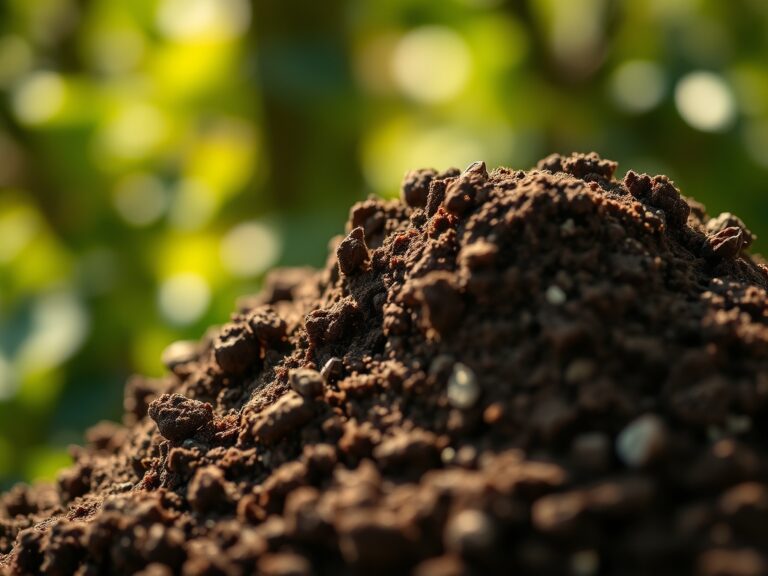
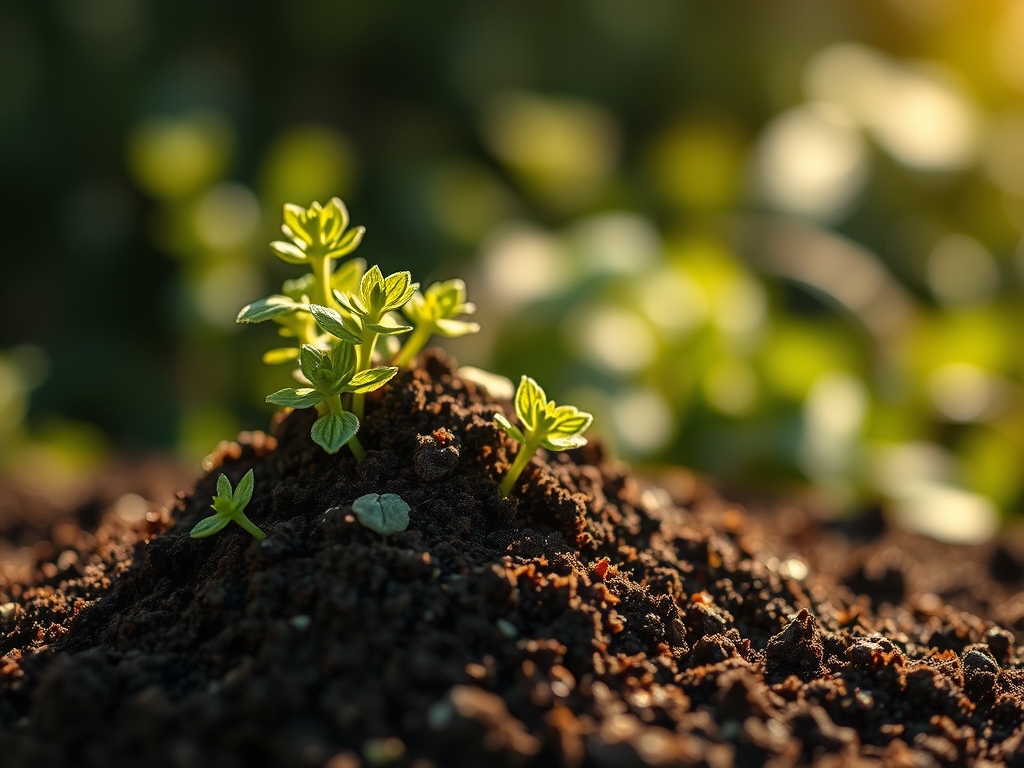
Specialized herb soil requires components that address cation exchange capacity and aggregate stability. The base medium combines 40% aged pine bark (particle size 3-8mm), 30% Canadian sphagnum peat, 20% perlite (horticultural grade #3), and 10% worm castings. This matrix delivers a bulk density of 0.45 g/cm³, allowing oxygen penetration to root zones while maintaining 55% water-holding capacity.
Nutrient amendments determine crop productivity. Incorporate a 4-4-4 organic meal (feather meal, bone meal, and kelp) at 2 tablespoons per gallon of base mix. Add dolomitic limestone at 1 teaspoon per gallon to buffer pH and supply calcium and magnesium. For culinary herbs destined for essential oil production, include mycorrhizal inoculant (Glomus intraradices) at manufacturer-specified rates, typically 1 gram per 4-inch pot.
The pH target range of 6.0-7.0 accommodates both acid-preferring herbs like parsley (optimal 6.0-6.5) and alkaline-tolerant species like lavender (6.5-7.5). Test the finished mix with a slurry method: combine equal parts soil and distilled water, wait thirty minutes, then measure with a calibrated pH meter.
Timing
Hardiness zones dictate outdoor transplant schedules. In zones 7-9, transplant established seedlings two weeks after the last frost date, typically mid-April through early May. Zones 10-11 permit year-round cultivation but benefit from fall planting (September-October) when soil temperatures remain above 65°F and summer heat stress has passed.
Indoor production under supplemental lighting follows different parameters. Start seeds eight to ten weeks before the desired harvest date. Basil requires 60-75 days from germination to first harvest under 14-hour photoperiods. Oregano and thyme need 90-120 days to develop sufficient woody growth for productive cutting.
Cool-season herbs like cilantro and dill tolerate soil temperatures as low as 50°F. Direct-sow these species four weeks before the last frost in zones 5-6. Warm-season basil demands soil temperatures above 60°F; premature transplanting results in purple-black foliage and stunted auxin distribution.
Phases
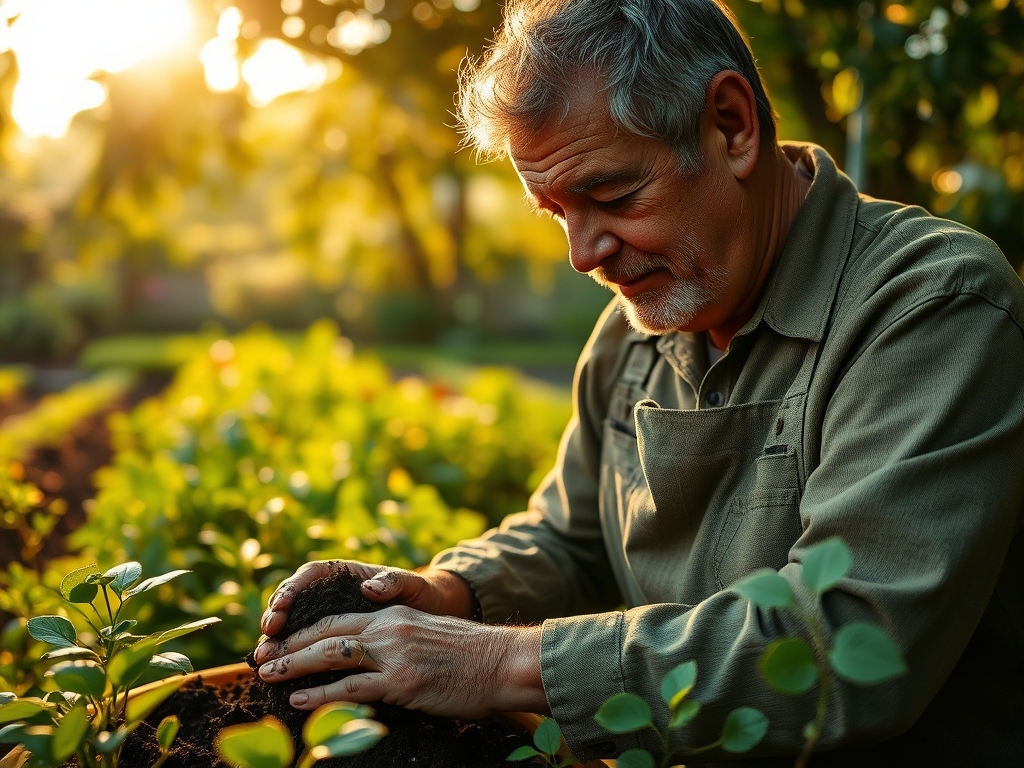
Sowing: Fill cells or 2-inch pots with moistened specialized soil. Press seeds to the surface for light-dependent germinators (basil, thyme, oregano) or cover with 1/4 inch of soil for dark germinators (parsley, cilantro). Maintain media temperature at 70-75°F using bottom heat mats. Germination occurs within 5-14 days depending on species.
Pro-Tip: Add 10% fine-grade vermiculite to the sowing mix. This increases water retention during the critical 24-48 hour imbibition period, boosting germination rates by 15-20%.
Transplanting: Move seedlings to final containers when true leaves fully expand and stems develop lignification at the base, typically at the four-leaf stage. Select containers with drainage holes and fill with specialized soil, leaving 1/2 inch of headspace. Remove seedlings from cells by squeezing the bottom, never pulling stems. Position the root ball so the cotyledon scar sits 1/4 inch below the final soil surface.
Pro-Tip: Dust roots with soluble mycorrhizal powder immediately before transplanting. Direct contact between fungal spores and root epidermal cells establishes colonization within 72 hours, accelerating phosphorus uptake by 40%.
Establishing: The fourteen-day period following transplant determines long-term productivity. Maintain soil moisture at 60-70% of field capacity by watering when the top 1 inch feels dry. Position plants to receive 6-8 hours of direct sunlight or 12-14 hours under full-spectrum LEDs delivering 400-600 μmol/m²/s PPFD. Avoid fertilization during this phase; the specialized soil provides adequate nutrition.
Pro-Tip: Pinch terminal buds when plants reach 6 inches in height, cutting at a 45-degree angle 1/4 inch above a leaf node. This redirects auxin to lateral buds, producing 4-6 additional stems and increasing harvestable biomass by 200%.
Troubleshooting
Symptom: Interveinal chlorosis on new growth, with leaf margins remaining green.
Solution: Iron deficiency caused by pH above 7.5. Drench soil with chelated iron (Fe-EDDHA) at 1 tablespoon per gallon. Acidify future irrigation water to pH 6.5 using citric acid.
Symptom: Brown leaf margins with tip necrosis progressing toward the midrib.
Solution: Salt accumulation from excessive fertilization or poor drainage. Leach containers with three volumes of pH-adjusted water. Reduce fertilizer concentration by 50%.
Symptom: Powdery white coating on upper leaf surfaces, particularly on oregano and sage.
Solution: Powdery mildew (Erysiphe sp.). Remove affected leaves. Spray remaining foliage with 0.5% potassium bicarbonate solution weekly for three weeks. Increase air circulation to maintain relative humidity below 60%.
Symptom: Wilting despite moist soil, with dark brown streaking in stems when cut longitudinally.
Solution: Verticillium wilt. No cure exists. Remove and destroy infected plants. Sterilize containers with 10% bleach solution. Replace specialized soil completely; the pathogen persists in organic matter.
Symptom: Slow growth with purple discoloration on leaf undersides and stems.
Solution: Phosphorus deficiency triggered by cold soil temperatures below 55°F. Move containers to warmer locations. Apply liquid fish emulsion (5-1-1) at half-strength weekly until symptoms resolve.
Maintenance
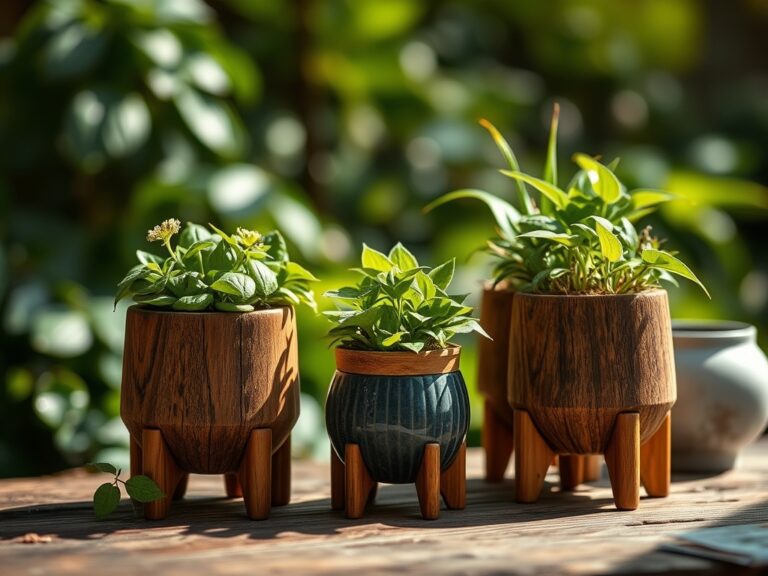
Water container herbs when the top 1 inch of specialized soil feels dry to the touch. This typically requires 1/2 cup of water per 6-inch pot every 2-3 days during active growth. Mediterranean herbs (rosemary, thyme, oregano) tolerate drier conditions; allow the top 2 inches to dry between waterings.
Feed established plants every 14 days with liquid fertilizer formulated at 1/2 the label rate. Use a balanced 10-10-10 or fish emulsion during vegetative growth. Switch to a low-nitrogen formula (5-10-10) when flower buds form to concentrate essential oils rather than promote leafy growth.
Harvest herbs in the morning after dew evaporates but before temperatures exceed 80°F. Essential oil concentrations peak during this window. Remove no more than 1/3 of total plant biomass per cutting to maintain productive capacity. Make cuts 1/4 inch above leaf nodes at 45-degree angles to prevent water accumulation and fungal infection.
Repot woody perennials (rosemary, lavender, bay laurel) every 18-24 months. Root-bound plants exhibit reduced growth and nutrient deficiencies despite adequate fertilization. Step up to containers 2 inches larger in diameter, using fresh specialized soil.
FAQ
How long does specialized herb soil remain effective?
The organic components decompose over 12-18 months, reducing aggregate stability and cation exchange capacity. Nutrient reserves from the 4-4-4 amendment deplete within 8-10 weeks, requiring supplemental fertilization.
Can I reuse specialized herb soil between crops?
Partial reuse is acceptable for non-diseased plants. Remove old roots and mix 50% fresh specialized soil with 50% used material. Add new mycorrhizal inoculant and organic meal at full rates.
Does specialized soil work for woody Mediterranean herbs and soft annual herbs?
Yes, but adjust watering schedules. Woody species (rosemary, thyme, sage) require less frequent irrigation due to drought adaptations. Annuals (basil, cilantro) need consistent moisture for rapid tissue production.
What container size maximizes productivity?
Six-inch pots (1 gallon capacity) provide optimal root zone volume for most culinary herbs during a 90-120 day production cycle. Larger containers do not increase yields proportionally and waste specialized soil.
Should I add perlite or sand to commercial herb soil mixes?
Most commercial mixes contain insufficient drainage material. Add 20% perlite by volume to improve aggregate stability and reduce compaction. Avoid sand; it increases bulk density and creates drainage problems when mixed with peat-based media.