7 Pro Tips How to Design a Rooftop Terrace
Crushing a handful of well-aerated potting medium reveals the gritty texture of perlite and the spongy resilience of peat moss. High turgor pressure in a leaf signifies a successful hydraulic system, where water moves from the rhizosphere to the stomata through transpiration pull. Learning how to design a rooftop terrace requires more than aesthetic placement; it demands an understanding of structural load, wind shear, and the unique microclimates found at elevation. Successful urban cultivation depends on the precise calibration of light, substrate chemistry, and drainage.
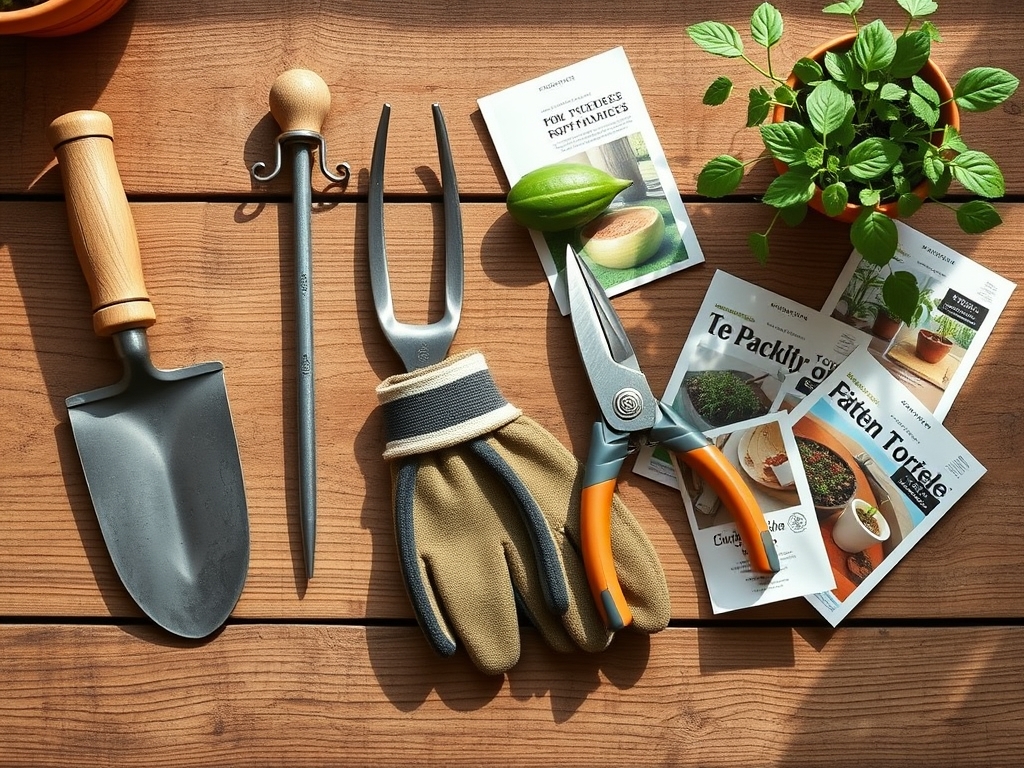
Materials:
Standard topsoil is too heavy and dense for elevated structures. You must use a **friable loam** substitute that maximizes Cation Exchange Capacity (CEC) while maintaining a low bulk density. The ideal substrate consists of 60 percent inorganic material like expanded shale or pumice and 40 percent organic matter.
Maintain a soil pH between 6.2 and 6.8 to ensure nutrient bioavailability. For the vegetative stage, utilize a fertilizer with an NPK ratio of 10-5-5 to promote foliar expansion. As plants transition to reproductive cycles, shift to a 5-10-10 ratio to support flower and fruit development. The substrate must remain porous to prevent anaerobic conditions that lead to root rot.
Timing:
Rooftop environments are typically one half to one full Hardiness Zone warmer than ground level due to the thermal mass of the building and the urban heat island effect. In Zone 7, your last frost date may shift from mid-April to late March.
Monitor the photoperiod closely. The transition from vegetative growth to the reproductive stage is triggered by changes in day length or internal hormonal cues. In high-altitude or exposed rooftop settings, the biological clock of the plant accelerates due to increased UV exposure. Initiate planting when nighttime temperatures consistently remain above 55 degrees Fahrenheit to avoid chilling injury, which disrupts the metabolic pathways of sensitive species.
Phases:

Sowing
Direct sow seeds at a depth exactly two to three times the width of the seed. Ensure the medium is consistently moist but not saturated to facilitate gas exchange during germination.
Pro-Tip: Use a bottom-heat mat set to 70 degrees Fahrenheit to increase germination rates. This mimics the natural soil warming that triggers the enzymatic breakdown of the seed coat, a process known as imbibition.
Transplanting
When moving seedlings to larger containers, avoid disturbing the root ball. Dig a hole twice the diameter of the current root mass. Position the plant so the crown sits level with the soil surface to prevent stem rot.
Pro-Tip: Inoculate the root zone with mycorrhizal fungi. This biological symbiosis extends the reach of the root system, allowing the plant to access phosphorus and micronutrients that are otherwise chemically bound in the soil matrix.
Establishing
The first 14 to 21 days are critical for root anchorage. Provide temporary windbreaks to reduce the transpiration rate while the vascular system adapts to the new environment.
Pro-Tip: Avoid excessive nitrogen application during the first two weeks. High nitrogen levels can cause rapid succulent growth that is susceptible to wind damage; instead, focus on phosphorus to encourage downward root geotropism.
The Clinic:
Physiological disorders on rooftops are often caused by environmental stress rather than pathogens.
- Symptom: Interveinal chlorosis (yellowing between green veins) on new leaves.
- Solution: This indicates an Iron (Fe) deficiency, often caused by high pH levels. Lower the pH using elemental sulfur or chelated iron drench.
- Symptom: Marginal leaf burn or necrosis on older foliage.
- Solution: This suggests Potassium (K) deficiency or salt accumulation. Flush the container with three times the volume of water to leach excess salts.
- Symptom: Blossom end rot in fruiting plants.
- Solution: This is a Calcium (Ca) transport issue caused by inconsistent moisture. Stabilize the irrigation schedule to ensure steady calcium uptake through the xylem.
Fix-It: For general Nitrogen chlorosis (overall paling of lower leaves), apply a water-soluble 20-20-20 fertilizer at half strength to provide an immediate metabolic boost.
Maintenance:
Precision is the difference between a thriving terrace and a failing one. Use a soil moisture meter daily; rooftops dry out significantly faster than ground-level gardens due to constant airflow. Most established woody perennials require 1.5 inches of water per week delivered directly at the drip line to ensure deep root penetration.
Pruning is essential for managing the canopy and reducing wind resistance. Use sharp bypass pruners for clean cuts that heal quickly through the production of callus tissue. When removing weeds or dividing perennials, a hori-hori knife allows for surgical precision without disrupting the root systems of neighboring plants. Monitor for senescence (the natural aging of plant tissues) and remove dead organic matter to prevent the harboring of unwanted insects.
The Yield:
Harvesting at the peak of physiological maturity ensures maximum nutrient density and flavor. For leafy greens, harvest in the early morning when turgor pressure is highest and the plant is fully hydrated. Use a sharp blade to make a clean abscission.
Post-harvest handling is vital for maintaining "day-one" freshness. Immediately submerge harvested produce in 40-degree Fahrenheit water to remove field heat and slow the rate of cellular respiration. This preservation of sugars and volatile oils maintains the structural integrity of the cell walls until consumption.
FAQ:
How do I calculate weight limits for a rooftop?
Consult a structural engineer to determine the pounds per square foot (PSF) capacity. Standard residential roofs often support 30 to 40 PSF. Account for the weight of saturated soil, heavy containers, and mature plant biomass during the design phase.
Which plants handle high winds best?
Select species with small, leathery leaves or flexible stems that reduce drag. Ornamental grasses and low-profile succulents are ideal. These plants have evolved morphological adaptations, such as thick cuticles, to minimize water loss during high-velocity wind events.
How often should I fertilize container plants?
Apply a balanced, slow-release fertilizer every six to eight weeks during the growing season. Because containers leach nutrients during every irrigation cycle, supplemental liquid feeding every two weeks at half-strength maintains the necessary nutrient concentrations in the rhizosphere.
What is the best way to prevent drainage clogs?
Install a multi-layer drainage system consisting of a root barrier, a drainage mat, and a filter fabric. This prevents fine soil particles from migrating into the building's drainage pipes while allowing excess water to exit the containers efficiently.
Can I grow trees on a rooftop?
Yes, provided you select dwarf or columnar varieties and use large, anchored containers. Ensure the container volume provides enough space for the root system to support the tree's height and prevent it from toppling during storm events.