8 Citrus-Steps to Prepare an Indoor Citrus Tree Shelf
The scent of crushed petiole and damp, acidic loam signals the metabolic activity of a healthy Calamondin or Meyer Lemon. When the leaf surface exhibits high turgor pressure and a deep forest-green hue, the vascular system is efficiently transporting nutrients from the rhizosphere. Learning how to prepare a plant shelf for citrus requires more than aesthetics; it demands a controlled microclimate that mimics Mediterranean or subtropical humidity and light intensity. Success depends on managing the Cation Exchange Capacity (CEC) of your substrate and ensuring the structural integrity of the shelving unit to support heavy, water-saturated terracotta. A standard indoor environment often lacks the 1,000 to 1,500 foot-candles of light necessary for fruit set. By engineering a dedicated shelf, you bridge the gap between a struggling decorative plant and a high-yield indoor orchard. This process involves precise calibration of supplemental lighting, airflow, and moisture retention to prevent the physiological stress that leads to premature fruit drop or leaf senescence.
Materials:
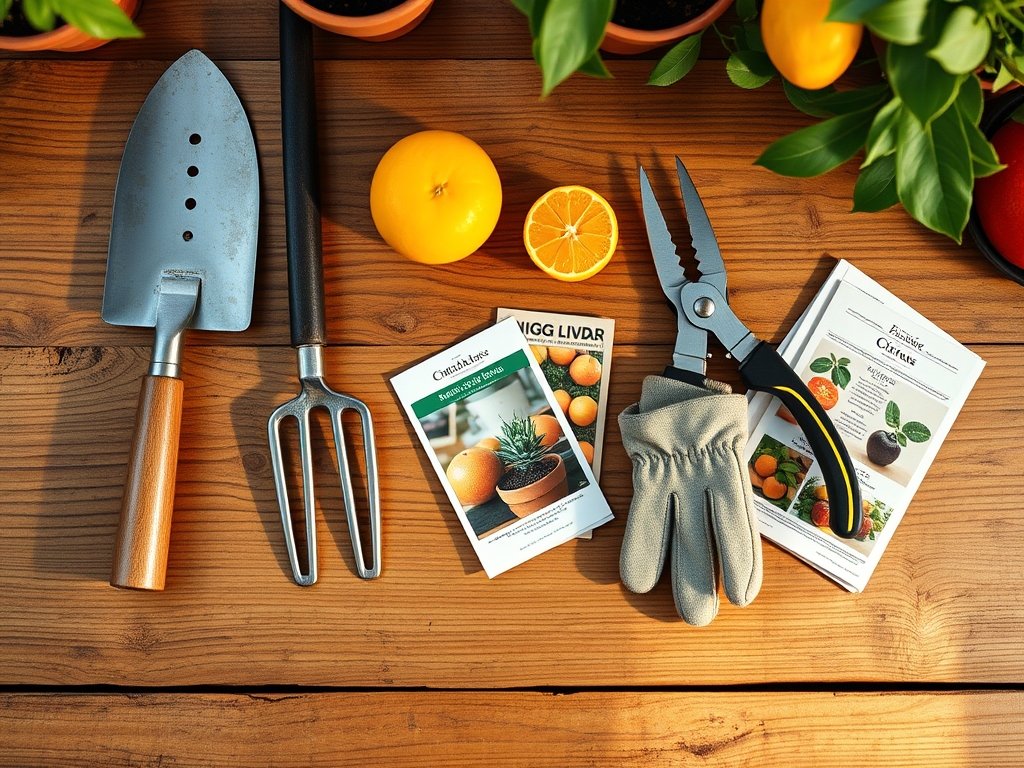
The foundation of a productive citrus shelf begins with the substrate. You must source or mix a medium that maintains a **pH between 5.5 and 6.5**. Citrus are acid-loving plants; a pH above 7.0 locks out essential micronutrients like iron and manganese. The physical texture should be a friable loam, achieved by mixing 40 percent composted pine bark, 40 percent peat moss or coconut coir, and 20 percent perlite for aeration.
Nutrient requirements are specific. You need a fertilizer with an NPK ratio of 5-1-3 or 2-1-1. High nitrogen (N) is required for vegetative growth, while potassium (K) supports fruit development and cellular wall strength. Ensure you have chelated iron supplements on hand. For the shelf itself, use industrial-grade steel or sealed hardwood capable of supporting 50 pounds per square foot. You will also require full-spectrum LED grow lights capable of emitting 30 to 50 watts per square foot and a mechanical timer to regulate the photoperiod.
Timing:
Indoor citrus cultivation is less dependent on local frost dates and more focused on the internal biological clock of the tree. However, if you reside in Hardiness Zones 4 through 8, your indoor setup must be fully operational by late September before the first frost triggers dormancy or cold shock. The transition from vegetative to reproductive stages is governed by temperature fluctuations and light duration.
Citrus trees typically require a period of "cool stress" with temperatures between 50 and 55 degrees Fahrenheit for several weeks to induce flowering. Once the buds appear, the tree enters the reproductive phase. You must synchronize your shelf environment to provide 12 to 14 hours of light during this stage. If you move plants from outdoors to the shelf, do so gradually over 14 days to prevent leaf abscission caused by the sudden drop in light intensity.
Phases:
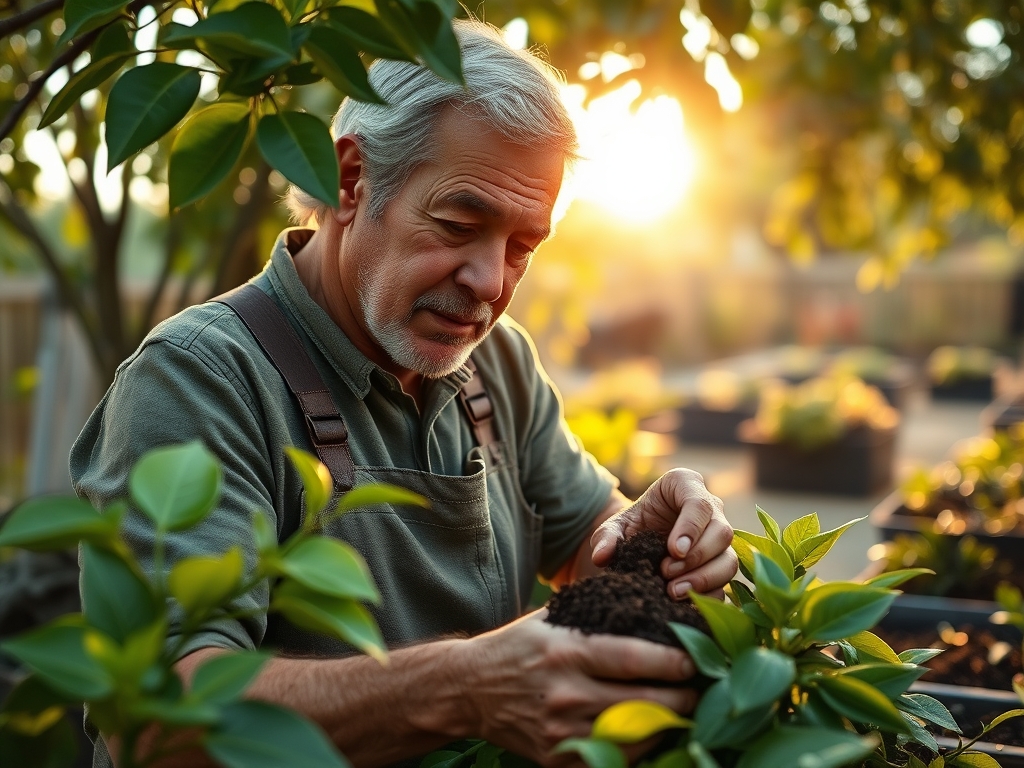
Sowing and Selection
Most indoor citrus growers start with grafted saplings rather than seeds to ensure genetic consistency and faster maturation. Select a rootstock like Flying Dragon (Citrus trifoliata) for its dwarfing characteristics, which keep the canopy manageable for shelf heights. Inspect the graft union for any signs of weeping or necrosis.
Pro-Tip: Ensure the graft union remains 2 inches above the soil line. This prevents the scion from developing its own roots, which would bypass the dwarfing characteristics of the rootstock and lead to aggressive, unmanageable growth.
Transplanting
When moving your citrus to the shelf, use the "up-potting" method. Increase the container size by no more than 2 inches in diameter at a time. A pot that is too large holds excess water in the outer "dead zones" where roots have not yet penetrated, leading to anaerobic conditions and root rot (Phytophthora).
Pro-Tip: Use a hori-hori knife to gently score the root ball if it is pot-bound. This stimulates the production of lateral roots through a process called apical dominance disruption, allowing the plant to establish more quickly in the new medium.
Establishing the Microclimate
Once the pots are positioned, install small circulating fans. Air movement is critical for gas exchange at the stomata and for strengthening the trunk through thigmomorphogenesis. Maintain a relative humidity of 50 to 60 percent. If the indoor air is too dry, use pebble trays filled with water beneath the pots, ensuring the pot base does not touch the water.
Pro-Tip: Position grow lights 6 to 12 inches above the canopy. Citrus leaves exhibit phototropism, where they turn to face the light source. Rotating the pots 90 degrees every week ensures even distribution of auxins, preventing the tree from becoming lopsided.
The Clinic:
Physiological disorders in citrus often manifest as foliage discoloration. Identifying these early is the difference between a harvest and a dead tree.
- Symptom: Interveinal Chlorosis (Yellowing between green veins).
- Cause: Iron or Manganese deficiency, often caused by high soil pH.
- Solution: Apply a chelated iron drench and verify the water pH is below 7.0.
- Symptom: Leaf Tip Burn.
- Cause: Salt accumulation from synthetic fertilizers or "soft" water.
- Solution: Flush the container with distilled water equal to three times the pot volume to leach excess salts.
- Symptom: Cupped or Distorted New Leaves.
- Cause: Calcium deficiency or low humidity.
- Solution: Increase humidity and apply a foliar calcium spray.
- Symptom: Sudden Leaf Drop.
- Cause: Cold drafts or radical changes in root temperature.
- Solution: Insulate pots from cold shelf surfaces using cork mats and keep away from HVAC vents.
Maintenance:
Precision is the hallmark of citrus care. Use a soil moisture meter to check the top 3 inches of the substrate. Do not water on a schedule; water when the meter indicates the soil is approaching dryness. Typically, an indoor citrus tree requires approximately 1.5 inches of water per week, delivered slowly until it exits the drainage holes.
Pruning is essential for maintaining the shelf footprint. Use bypass pruners to remove water sprouts (aggressive vertical shoots) and any growth emerging from below the graft union. Sanitize your tools with 70 percent isopropyl alcohol between every cut to prevent the spread of pathogens. Monitor the cation exchange capacity by top-dressing with organic matter every six months to replenish micronutrients and improve soil structure.
The Yield:
Harvesting occurs when the fruit reaches full color and a slight "give" when squeezed. Unlike some fruits, citrus does not continue to ripen or sweeten after being detached from the branch. Use a pair of sharp snips to cut the fruit stem; pulling the fruit by hand can damage the "button" (the calyx) and lead to rapid decay.
For "day-one" freshness, store harvested fruit at 45 to 50 degrees Fahrenheit. If the fruit is intended for immediate use, leave it at room temperature to allow the essential oils in the zest to remain volatile and aromatic. A well-maintained indoor tree can produce between 20 and 50 fruits per season depending on the cultivar and light quality.
FAQ:
How much light does an indoor citrus tree need?
Citrus requires 12 to 14 hours of high-intensity light daily. Use full-spectrum LED grow lights positioned 6 to 12 inches above the canopy to provide at least 1,000 foot-candles of illumination for consistent fruit production.
What is the best soil for indoor citrus?
Use a well-draining, acidic medium with a pH of 5.5 to 6.5. A mix of 40% pine bark, 40% peat moss, and 20% perlite provides the necessary aeration and moisture retention for healthy root development.
Why are my citrus leaves falling off?
Sudden leaf drop is usually caused by environmental shock, such as cold drafts, low humidity, or rapid changes in light. Ensure the shelf is away from vents and maintain a consistent temperature between 65 and 85 degrees Fahrenheit.
How often should I fertilize my citrus shelf?
Apply a 5-1-3 NPK fertilizer every 4 to 6 weeks during the active growing season (spring through fall). Reduce frequency in winter when growth slows, but continue monitoring for micronutrient deficiencies like iron chlorosis.