9 Temperature-Based Steps for Treating Tropical Cold Shock
Healthy tropical foliage maintains high turgor pressure through rigid cell walls and a hydrated rhizosphere. When temperatures drop below 50 degrees Fahrenheit, the metabolic processes of tropical species stall; enzymes denature and cellular membranes lose fluidity. This physiological stall leads to drooping, chlorosis, and eventual necrosis if not corrected. Implementing the steps for treating cold shock with gradual change ensures that the plant recovers without the secondary trauma of rapid transpiration or heat stress. Recovery requires a disciplined approach to thermal regulation and moisture management.
Materials:
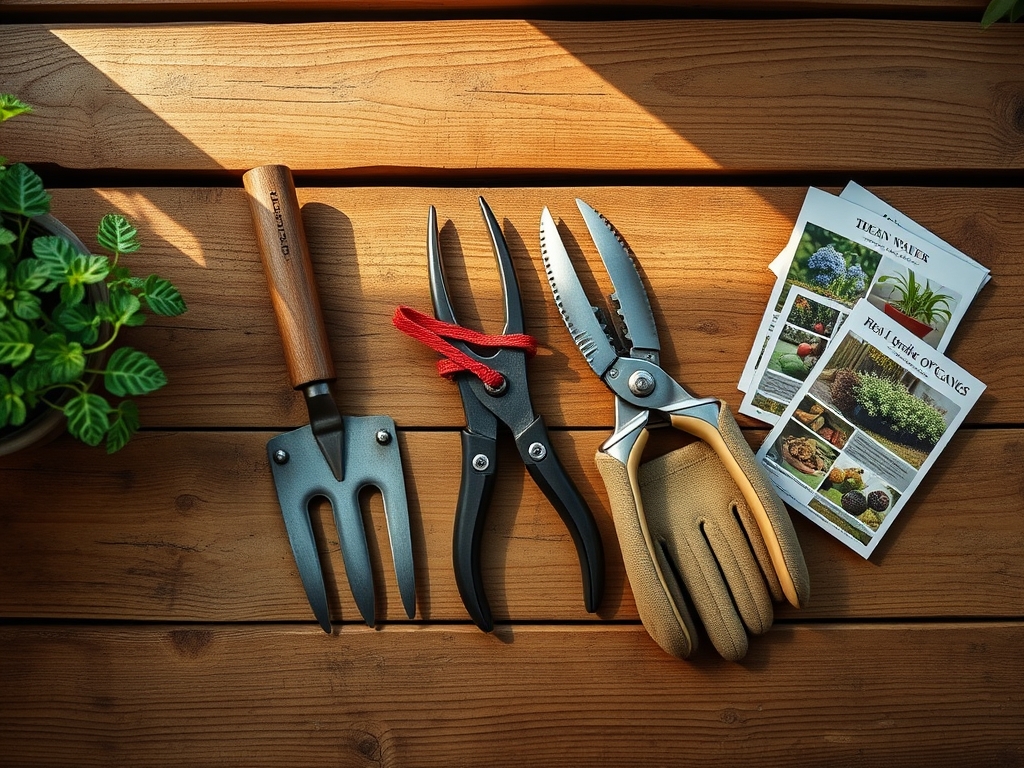
Restoration begins with a substrate that facilitates high gas exchange. Use a friable loam consisting of 40 percent coarse perlite, 30 percent coconut coir, and 30 percent aged pine bark. This mixture must maintain a soil pH between 5.8 and 6.5 to optimize nutrient availability. During the recovery phase, avoid high-nitrogen fertilizers which force new growth that the compromised vascular system cannot support. Instead, utilize a low-concentration NPK ratio of 0-2-2 or 1-3-2 to focus on root fortification. A high Cation Exchange Capacity (CEC) is vital; adding humic acid at a rate of 5 milliliters per gallon of water improves the soil’s ability to hold and transfer essential minerals to the damaged root hairs.
Timing:
Successful intervention depends on the specific Hardiness Zone and the current photoperiod. In Zones 9 through 11, cold shock often occurs during erratic late-autumn cold fronts where temperatures dip 20 degrees below the seasonal average. The biological clock of the plant shifts from active vegetative growth to a survival-based dormancy when light levels drop below 10 hours per day. Do not attempt aggressive resuscitation during the peak of winter dormancy. Wait for the window between the last frost date and the spring equinox to begin heavy pruning. Monitor the soil temperature using a digital probe; metabolic activity typically resumes once the rhizosphere consistently reaches 65 degrees Fahrenheit.
Phases:

Sowing and Stabilization
If starting from seed or stabilized cuttings, maintain a consistent bottom heat of 75 degrees Fahrenheit. For shocked mature plants, the first step is stabilization. Move the specimen to a transition zone where the temperature is exactly 5 degrees warmer than the shock site. Increase this temperature by 5 degrees every 48 hours until you reach a steady 70 degrees Fahrenheit.
Pro-Tip: This gradual warming prevents cellular lysis. When a plant warms too quickly, the stomata open and begin transpiration before the chilled, sluggish roots can pull up replacement water, leading to a fatal desiccation known as physiological drought.
Transplanting for Root Health
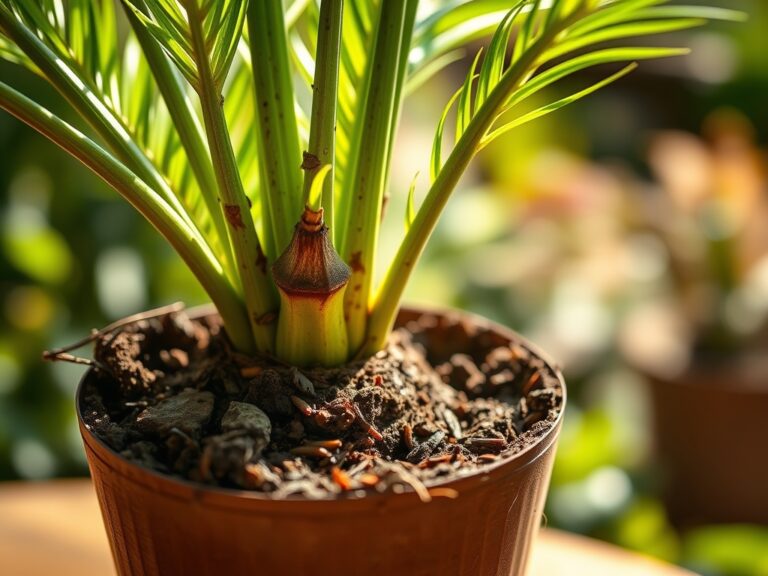
If the cold shock was accompanied by overwatering, the risk of root rot increases. Carefully remove the plant from its container using a hori-hori knife to loosen the edges. Inspect the root architecture for blackened or mushy tissue. Repot into the friable loam described above, ensuring the new container is only one inch wider than the root ball to prevent excess moisture retention.
Pro-Tip: Mycorrhizal symbiosis is essential here. Inoculating the roots with beneficial fungi during transplanting increases the surface area for water absorption by up to 100 times, helping the plant overcome the reduced hydraulic conductivity caused by cold stress.
Establishing the Recovery Zone
Establish a recovery environment with 60 to 70 percent relative humidity. Use a pebble tray or a dedicated humidifier to maintain these levels. Avoid placing the plant in direct sunlight immediately; filtered light at 1,500 to 2,000 foot-candles is sufficient for the first 14 days of recovery.
Pro-Tip: Limiting light intensity prevents auxin suppression. High light levels can trigger the plant to produce growth hormones it cannot yet support. Lower light allows the plant to prioritize the repair of damaged cell membranes over the production of new biomass.
The Clinic:
Physiological disorders following a cold event require precise diagnosis.
- Symptom: Interveinal chlorosis (yellowing between leaf veins).
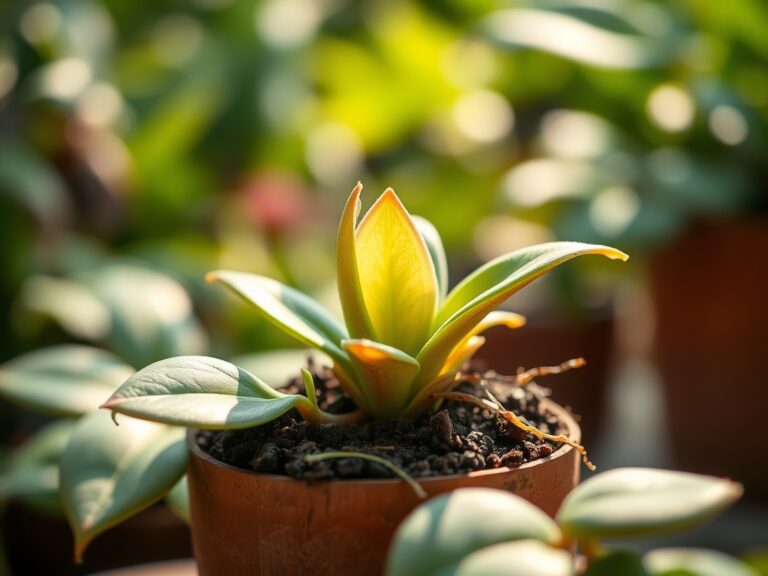
Solution: This indicates a magnesium deficiency often caused by cold-induced uptake failure. Apply a foliar spray of magnesium sulfate at a concentration of 1 tablespoon per gallon. - Symptom: Soft, blackened leaf tips (Necrosis).
Solution: Use sterilized bypass pruners to remove only the dead tissue. Do not cut into healthy green wood until the plant shows active new growth. - Symptom: Stem shriveling despite moist soil.
Solution: This is vascular collapse. Increase ambient humidity immediately to 80 percent and reduce soil saturation to prevent opportunistic fungal pathogens from entering the weakened stem.
Fix-It for Nitrogen Chlorosis: If the entire leaf turns pale green or yellow, the plant is scavenging nitrogen from older leaves to survive. Apply a diluted 5-5-5 fish emulsion at 25 percent strength to provide a gentle nitrogen boost without triggering a growth spike that would exhaust the plant's remaining carbohydrate reserves.
Maintenance:
Precision is mandatory during the three-month recovery window. Use a soil moisture meter to ensure the substrate never drops below 30 percent moisture but never exceeds 70 percent. Provide exactly 1.5 inches of water per week at the drip line, avoiding the crown of the plant to prevent rot. Clean the leaves weekly with a damp cloth to remove dust; this ensures maximum efficiency of the remaining chlorophyll during the shorter photoperiods of the recovery season. Every 30 days, flush the soil with distilled water to prevent the buildup of mineral salts, which can further stress the sensitive root hairs.
The Yield:
For tropical fruiting or flowering plants, cold shock will likely abort the current season's reproductive cycle. Senescence of flowers is a protective measure. When harvesting fruit from a recovering plant, use a sharp blade to make a clean cut at the pedicel. Do not pull the fruit, as the tension can damage the weakened vascular bundles. To maintain "day-one" freshness for harvested material, immediately submerge the cut end in 70-degree water to maintain the transpiration stream.
FAQ:
How long does it take for a plant to recover from cold shock?
Recovery typically takes 4 to 12 weeks. The duration depends on the species and the severity of the temperature drop. Do not apply heavy fertilizers during this period; wait for the emergence of two sets of new, healthy leaves.
Should I prune dead leaves immediately after a freeze?
No. Leave the damaged foliage in place for at least 7 days. These dead leaves act as a thermal buffer for the inner nodes. Only prune once the weather has stabilized and you can identify the exact line of living tissue.
What is the best water temperature for a shocked plant?
Use water that is between 68 and 75 degrees Fahrenheit. Using cold water further shocks the root system, while hot water can damage sensitive root hairs and disrupt the delicate microbial balance within the rhizosphere.
Can I use a heating pad to warm the soil?
Yes, but only on the lowest setting. The goal is to raise the soil temperature to 65 or 70 degrees Fahrenheit. Excessive heat will dry out the substrate too quickly and may cook the recovering root system.