10 Best Indoor Plants for Beginners
Turgor pressure dictates the structural integrity of every cell; a rigid leaf signifies a healthy hydraulic system. The scent of damp, well aerated peat and the gritty friction of perlite between your fingers are the hallmarks of a functional growing medium. Success with the best indoor plants for beginners depends entirely on managing the rhizosphere and ensuring gas exchange at the root level. Most novices fail because they treat plants as static decor rather than living biological systems requiring specific chemical and physical parameters.
Cultivating greenery indoors is an exercise in light management and moisture control. You must understand that indoor environments are often physiological deserts with low humidity and stagnant air. By selecting species with high tolerance for low light and irregular irrigation, you establish a baseline for horticultural mastery. This guide focuses on ten resilient species including Sansevieria, Epipremnum aureum, and Zamioculcas zamiifolia. These plants possess specialized tissues for water storage or adapted photosynthetic pathways that allow them to thrive in sub optimal conditions. Mastery begins with the substrate and ends with the precise application of macronutrients to support cellular respiration and vegetative growth.
Materials:
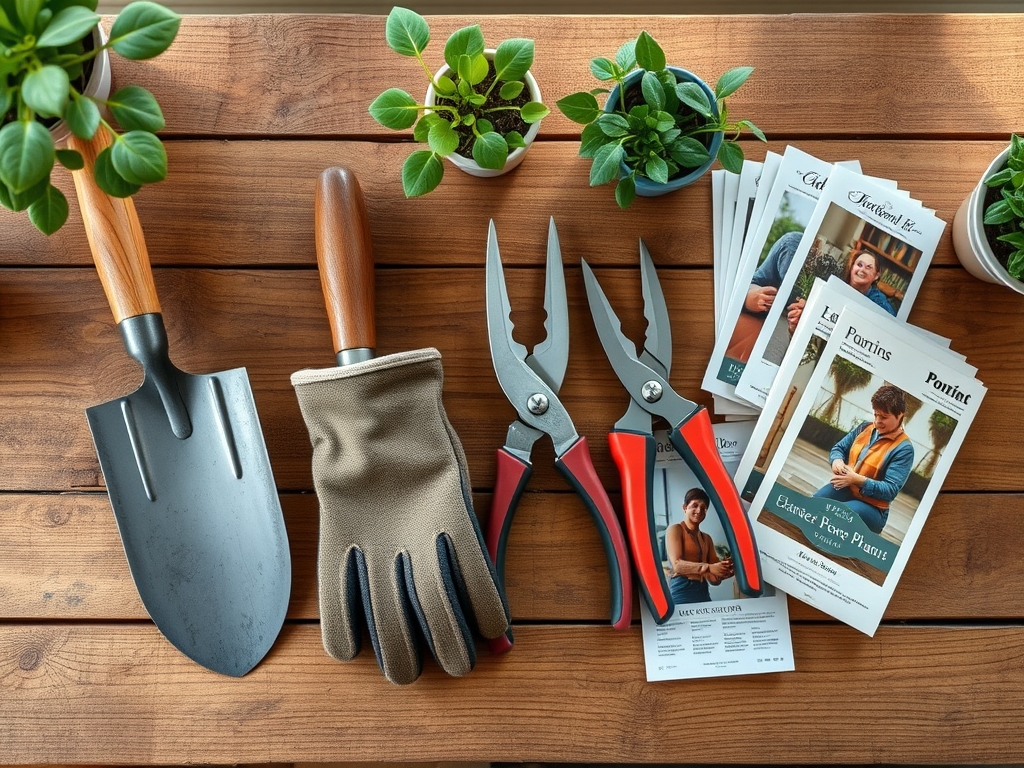
The foundation of indoor success is a substrate with high Cation Exchange Capacity (CEC) to retain nutrients while maintaining a pH range of 6.0 to 7.0. A friable loam mixed with inorganic amendments is essential for drainage.
- Substrate Composition: 40 percent peat moss or coconut coir; 30 percent perlite; 20 percent pine bark; 10 percent vermiculite.
- Nutrient Ratios: During the active growing season, utilize a water soluble fertilizer with an NPK ratio of 10-10-10 for balanced growth. For foliage heavy plants like Monstera deliciosa, a higher nitrogen ratio such as 3-1-2 supports chlorophyll production and leaf expansion.
- Physical Texture: The medium must be porous. When squeezed, the damp soil should hold its shape briefly then crumble easily when touched. This ensures oxygen reaches the roots to prevent anaerobic decomposition.
Timing:
Indoor plants are generally tropical or subtropical species originating from USDA Hardiness Zones 10 through 12. Because they are shielded from frost, their biological clock is governed by the photoperiod rather than temperature fluctuations.
The transition from the vegetative stage to the dormant stage occurs as daylight hours decrease in autumn. During this phase, metabolic activity slows and the plant's demand for water and nitrogen drops by approximately 50 to 60 percent. You must align your intervention with these cycles. Avoid heavy pruning or repotting during the winter solstice when the plant is in a state of semi senescence. Resume aggressive fertilization only when new axillary buds emerge in early spring, signaling the return of active transpiration.
Phases:
Sowing and Propagation
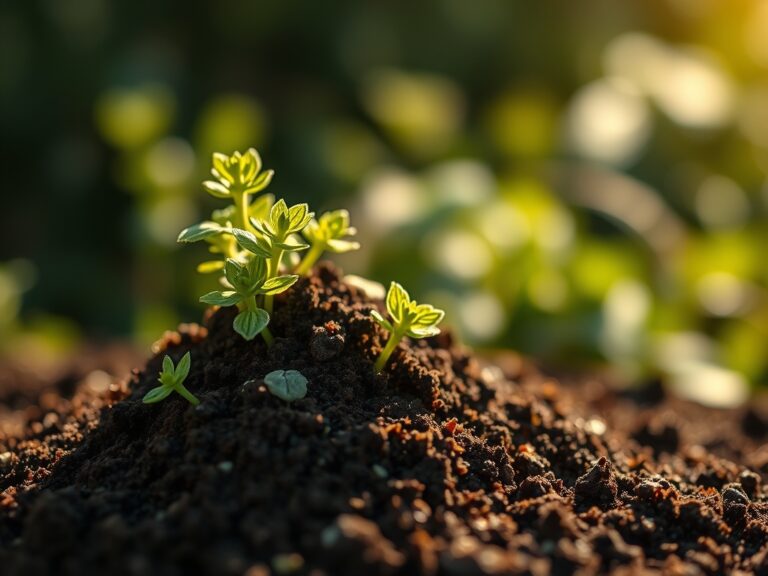
Most beginner plants are started from cuttings rather than seeds to ensure genetic clones. For Epipremnum (Pothos), identify a node with an aerial root precursor. Submerge the node in distilled water or a sterile rooting medium.
Pro-Tip: Maintaining a consistent temperature of 70 to 75 degrees Fahrenheit accelerates root initiation. This is due to increased enzymatic activity at the cellular level which facilitates faster cell division in the meristematic tissue.
Transplanting
Move the specimen when roots begin to circle the interior of the pot, a condition known as being root bound. Select a new container only 2 inches wider in diameter than the current one. Use a hori-hori knife to gently score the root ball, breaking the circular growth pattern.
Pro-Tip: Scoring the roots triggers the release of auxins. These hormones suppress apical dominance and encourage lateral root branching; this creates a more robust root system capable of higher nutrient uptake.
Establishing
After transplanting, place the plant in a location with bright, indirect light (approximately 200 to 400 foot-candles). Monitor the turgor of the leaves daily. Avoid fertilizing for the first 30 days to prevent osmotic shock to the newly disturbed root hairs.
Pro-Tip: Mycorrhizal fungi can be added to the substrate during this phase. This establishes a mycorrhizal symbiosis where the fungi extend the reach of the root system in exchange for carbohydrates; this significantly improves phosphorus absorption.
The Clinic:
Physiological disorders often mimic disease but are usually rooted in environmental stress.
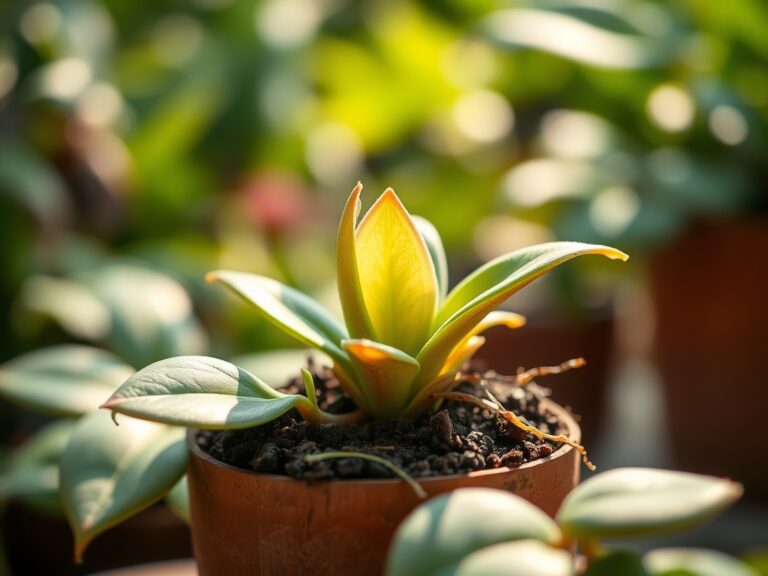
- Symptom: Interveinal Chlorosis. Yellowing between leaf veins while veins remain green.
- Solution: This indicates a Magnesium deficiency or a pH imbalance. Flush the soil with pH balanced water and apply a micronutrient supplement containing 2 percent Magnesium.
- Symptom: Leaf Tip Burn. Brown, crispy edges on spider plants or dracaena.
- Solution: This is often caused by fluoride or chloride toxicity from municipal water. Switch to distilled water or rainwater to prevent salt accumulation in the leaf tips.
- Symptom: Epinasty. Downward curling or twisting of leaves.
- Solution: Often a sign of overwatering or poor gas exchange in the rhizosphere. Check for root rot. If roots are mushy and black, prune them with bypass pruners and repot in fresh, dry substrate.
Fix-It: Nitrogen Chlorosis. If the oldest leaves turn uniformly pale yellow, the plant is scavenging nitrogen for new growth. Apply a high nitrogen liquid fertilizer (20-10-10) at half strength to restore chlorophyll levels.
Maintenance:
Precision is the difference between a surviving plant and a thriving one. Use a soil moisture meter to verify the volumetric water content before irrigating. For most beginner species, wait until the top 2 inches of soil are dry.
When watering, apply enough volume so that 10 to 20 percent of the water drains out of the bottom of the pot. This leaches out accumulated fertilizer salts that can cause root burn. Use bypass pruners to remove any yellowing or dead foliage at the base of the petiole. This prevents the spread of opportunistic fungal pathogens. For dust accumulation, wipe leaves with a damp cloth every 30 days to ensure the stomata remain unobstructed for gas exchange and transpiration.
The Yield:
While most indoor plants are grown for foliage, some species like the Peace Lily (Spathiphyllum) produce distinct white spathes. To maximize flowering, ensure the plant receives at least 12 hours of bright light. Once the flower begins to turn green or brown, use sharp pruners to cut the stalk as close to the base as possible. This redirects the plant's energy from seed production back into vegetative growth and root development. For herbs grown indoors, harvest no more than one third of the total foliage at a time to ensure the plant retains enough photosynthetic surface area to recover.
FAQ:
How do I know when to water my plants?
Insert a finger or a soil moisture meter into the substrate. If the top 2 inches feel dry and the pot feels light, apply water until it exits the drainage holes. This ensures the entire root ball is hydrated.
Why are my plant's leaves turning yellow?
Yellowing, or chlorosis, typically indicates overwatering or a Nitrogen deficiency. If the soil is soggy, reduce watering frequency. If the soil is dry and the plant is older, apply a balanced 10-10-10 fertilizer to restore nutrients.
Does my indoor plant need direct sunlight?
Most indoor plants prefer bright, indirect light. Direct sun through a window can magnify heat and cause leaf scorch. Aim for a location near a north or east facing window to provide consistent, filtered light without excessive thermal stress.
What is the best pot for a beginner?
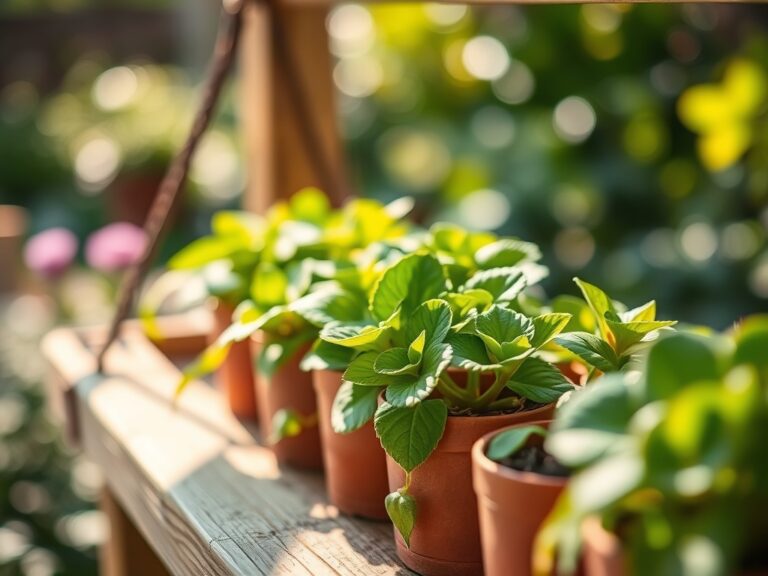
Use a terracotta pot with at least one drainage hole. The porous clay allows for lateral evaporation and better gas exchange in the rhizosphere. This reduces the risk of root rot caused by excess moisture retention in plastic pots.