10 Basic Steps to Sterilize Soil Probes
The smell of damp earth signals a complex chemical dance within the rhizosphere; it is the scent of geosmin released by Actinobacteria as they decompose organic matter. When a plant maintains high turgor pressure, its cellular walls remain rigid and its physiological processes function at peak efficiency. However, this delicate balance is easily disrupted by the introduction of soil-borne pathogens like Fusarium or Phytophthora. Learning how to sterilize soil probes is the primary defense against cross-contamination between different garden beds or containers. A single gram of garden soil can contain up to one billion bacterial cells and several miles of fungal hyphae. Without rigorous sanitation, a probe becomes a vector for disease, moving microscopic threats from a localized infection to your entire collection. Maintaining sterile equipment ensures that your data collection remains accurate and your botanical specimens remain untainted by external biological stressors.
Materials:
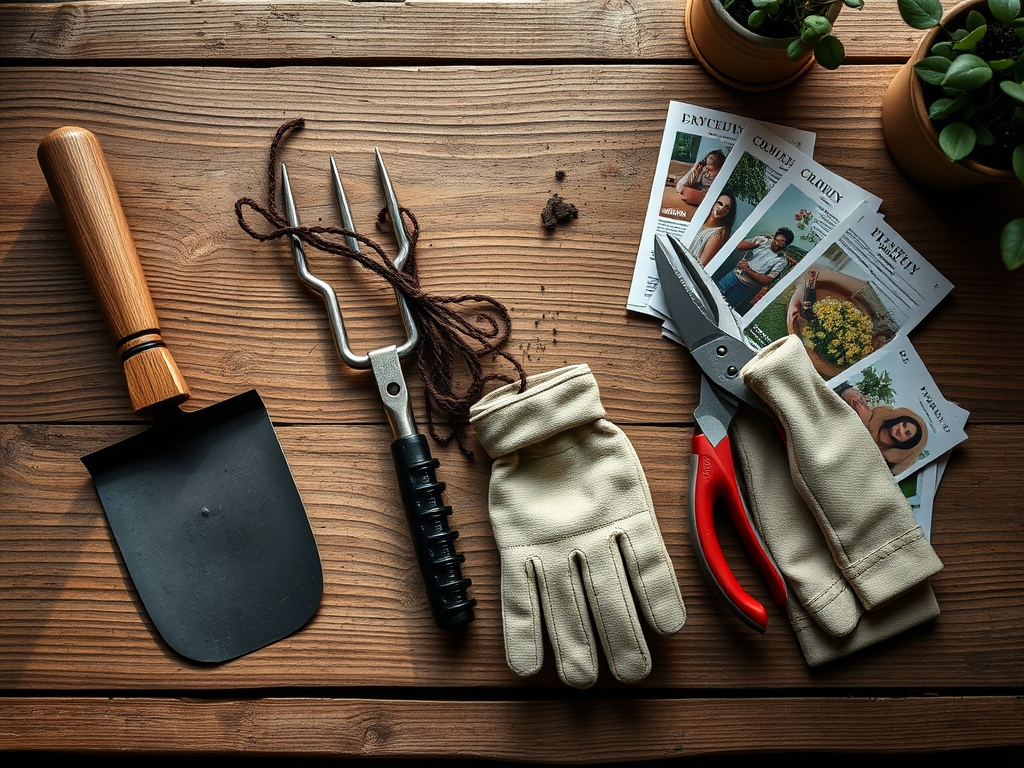
Effective sterilization requires specific chemical agents and physical tools to remove debris from the metal surfaces. To manage a **friable loam** with a **pH of 6.5**, your toolkit must be ready to handle high organic matter without corroding the sensor.
- Isopropyl Alcohol (70% concentration): This is the standard for rapid disinfection. Concentrations higher than 70% evaporate too quickly to effectively denature microbial proteins.
- Bleach Solution (10% sodium hypochlorite): Necessary for heavy-duty sterilization after working in soils with known fungal issues.
- Distilled Water: Used for the final rinse to prevent mineral buildup on the probe electrodes.
- Non-abrasive Scouring Pad: Essential for removing physical particulates stuck in the probe tip.
- Microfiber Cloths: To dry the equipment without leaving lint or static.
In environments with a high Cation Exchange Capacity (CEC), such as clay-heavy soils, minerals like Calcium (Ca++) and Magnesium (Mg++) often cling to the metal. If you are testing a substrate with an NPK ratio of 10-10-10, the salt accumulation can interfere with future electrical conductivity (EC) readings.
Timing:
Sterilization must align with the biological clock of your garden. In Hardiness Zones 5 through 7, the window for soil testing typically opens two weeks after the final spring frost. During the transition from the vegetative stage to the reproductive stage, plants increase their nutrient uptake significantly. This shift in the photoperiod triggers hormonal changes that alter the chemical composition of the root exudates.
Probes should be sterilized immediately before and after every use. If you are monitoring the soil during the "grand period of growth" (the phase of most rapid biomass accumulation), daily testing may be required. Never store a probe with soil residue during the winter senescence period; the moisture trapped in the dirt can cause oxidation and pitting on the sensor surface, leading to permanent calibration errors.
Phases:

Sowing
Before the first seed hits the medium, the probe must be cleared of all pathogens. Use the 70% isopropyl alcohol to wipe down the entire length of the instrument. In a sterile seed-starting mix, the goal is to prevent damping-off, caused by Pythium species.
Pro-Tip: Sterilization at this stage protects the mycorrhizal symbiosis that is just beginning to form. If a probe introduces a pathogen, the young roots will prioritize defense over the establishment of beneficial fungal networks.
Transplanting
When moving a plant from a nursery pot to the field, the soil probe helps determine if the new site matches the previous Cation Exchange Capacity. Dip the probe in a 10% bleach solution for 30 seconds between different planting holes.
Pro-Tip: This prevents the spread of soil-borne nematodes. Maintaining a clean probe ensures that auxin suppression does not occur due to systemic stress, allowing the plant to focus on root expansion rather than wound healing.
Establishing
As the plant enters its secondary growth phase, frequent moisture checks ensure the root zone remains at field capacity. Use distilled water to rinse the probe after every three measurements to prevent salt crusting.
Pro-Tip: Clean sensors provide accurate data on phototropism responses. If a probe is dirty, it may give a false "dry" reading, leading to overwatering that triggers anaerobic conditions and root rot.
The Clinic:
Physiological disorders often mimic nutrient deficiencies. Use a sterilized probe to diagnose the following:
-
Symptom: Interveinal chlorosis in new leaves.
Solution: This indicates Iron (Fe) deficiency, often caused by a pH above 7.0. Use the probe to verify the alkalinity.
Fix-It: Apply chelated iron and sulfur to lower the pH to 6.0 or 6.5. -
Symptom: Necrosis on the margins of older leaves.
Solution: This is typically Potassium (K) deficiency.
Fix-It: Increase the K in your NPK ratio to a 5-5-15 blend to restore osmotic regulation. -
Symptom: Stunted growth and purple tinting on stems.
Solution: Phosphorus (P) deficiency, often occurring in cold soils below 55 degrees Fahrenheit.
Fix-It: Use the probe to check soil temperature; if the temp is correct, apply a water-soluble phosphate fertilizer. -
Symptom: Blossom end rot in fruit.
Solution: Calcium (Ca) deficiency caused by inconsistent moisture levels.
Fix-It: Use a soil moisture meter to maintain a steady 1.5 inches of water per week.
Maintenance:
Long-term probe health requires more than just a quick wipe. Every 30 days, calibrate the sensor using a known pH buffer solution (usually pH 4.0 and 7.0). When working in the field, keep a hori-hori knife nearby to clear heavy roots away from the probe's path; never force a probe through a woody root system as this can bend the internal electrodes.
For irrigation, target 1.5 inches of water per week delivered at the drip line. Use bypass pruners to remove any dead or decaying foliage that might harbor pests near your testing sites. After each session, store the probe in a padded case to prevent the metal from scratching. Scratches create microscopic "valleys" where bacteria can hide from sterilization agents.
The Yield:
If you are monitoring soil for edible crops, the final weeks before harvest are critical. Use the probe to ensure the soil is drying out slightly, which can concentrate sugars in fruit. For flowers, maintaining high turgor pressure through the harvest morning is essential. Cut stems at a 45-degree angle and place them immediately into 110-degree Fahrenheit water to maximize hydration. This technique ensures "day-one" freshness by preventing air embolisms from forming in the xylem.
FAQ:
Can I use hand sanitizer to sterilize my soil probe?
Hand sanitizers often contain fragrances and thickeners like aloe vera. These additives leave a film on the sensor that can distort electrical readings. Use 70% isopropyl alcohol for a clean, residue-free finish.
How long should I soak the probe in bleach?
Do not exceed 60 seconds. Prolonged exposure to sodium hypochlorite can corrode the protective coating on metal probes. A 30-second dip followed by a distilled water rinse is sufficient to kill most pathogens.
Why is distilled water necessary for rinsing?
Tap water contains dissolved minerals like calcium and chlorine. As the water evaporates, these minerals crystallize on the probe's electrodes. This creates a barrier that interferes with the cation exchange measurements and pH accuracy.
Does fire sterilization work for soil probes?
Flame sterilization is effective for stainless steel tools like a hori-hori knife, but it will destroy the sensitive electronic components and plastic seals inside a soil moisture meter or pH probe. Stick to chemical disinfectants.