6 Easy Steps to Apply Diatomaceous Earth
The white powder clings to wet slug trails at dawn. When you trace each silvered line back to its source, you find a dozen mollusks retreating from the perimeter where you applied diatomaceous earth twelve hours earlier. Understanding the proper steps to apply diatomaceous earth transforms this fossilized algae into a mechanical barrier that desiccates soft-bodied pests through abrasion, not poison. The microscopic sharp edges pierce exoskeletons while remaining completely inert in soil chemistry.
Materials
Food-grade diatomaceous earth contains 80-90% silicon dioxide with a pH of 6.5-7.5, making it neutral in most soil systems. Purchase only food-grade formulations. Pool-grade varieties undergo heat treatment that creates crystalline silica, a respiratory hazard unsuitable for garden use.
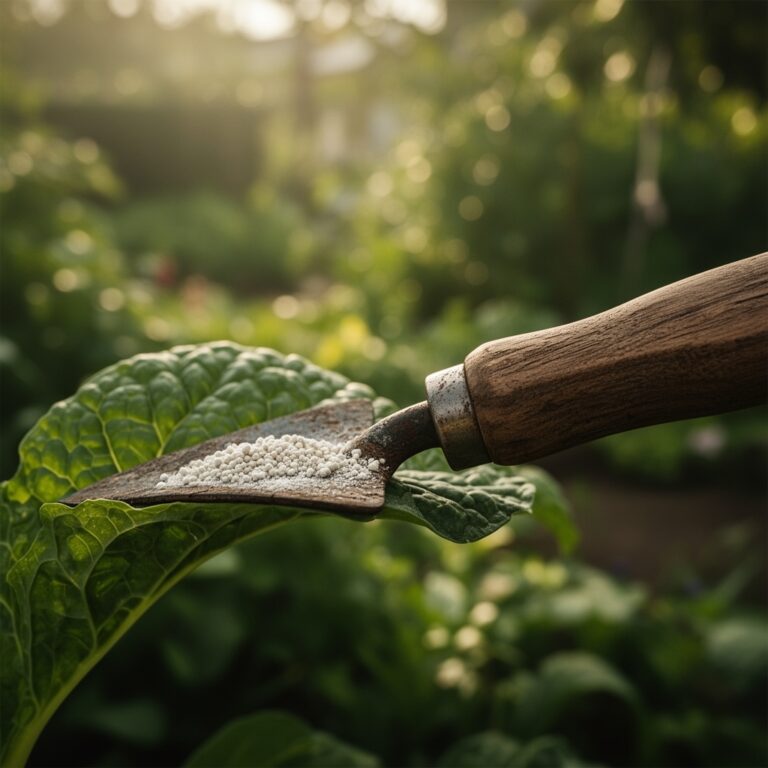
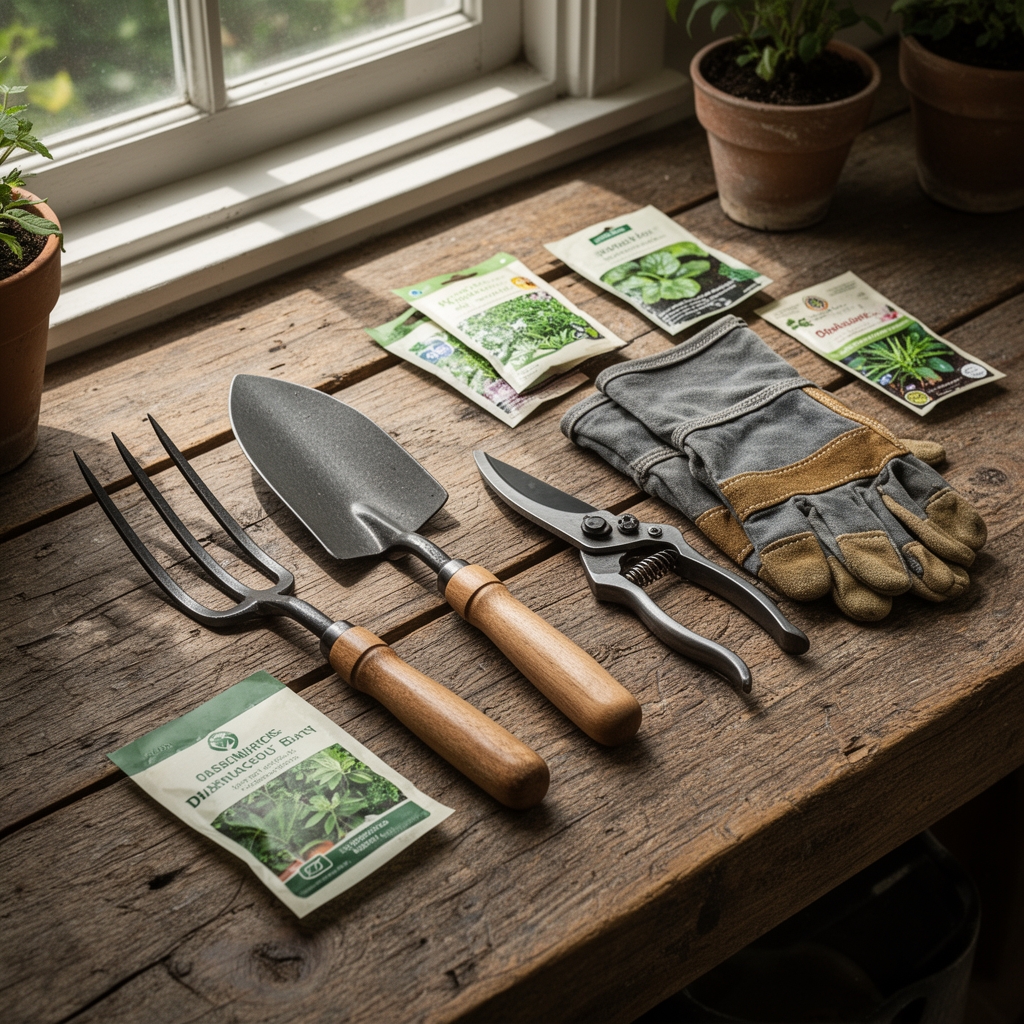
Gather a hand duster or flour sifter for dry application. These tools produce an even layer without clumping. For wet application, mix 4 tablespoons of diatomaceous earth per gallon of water in a pump sprayer with a nozzle opening of at least 0.5mm to prevent clogging.
Wear an N95 respirator during application. While food-grade diatomaceous earth is non-toxic, the fine particles irritate lung tissue when inhaled in concentration. Nitrile gloves protect hands during extended mixing sessions.
Store diatomaceous earth in sealed containers with desiccant packs. Moisture destroys its efficacy by filling the microscopic pores and edges that damage pests. A 10-pound bag covers approximately 1,800 square feet at standard application rates.
Combine with 4-4-4 organic fertilizer for beds requiring both pest control and balanced nutrition. The diatomaceous earth does not alter NPK availability since it functions mechanically rather than chemically. Its cation exchange capacity registers near zero.
Timing
Apply diatomaceous earth after the last frost date when soil temperatures reach 50°F at 2-inch depth. In Zone 5, this occurs late April through May. Zones 7-9 gardeners can apply as early as March.
Morning application between 6-9 AM allows the powder to adhere to dew-covered foliage before wind picks up. Avoid application before predicted rain. A 0.1-inch rainfall washes away dry applications and requires reapplication once surfaces dry.
Reapply every 7-10 days during active growing season or immediately after rain events exceeding 0.25 inches. Fall application protects overwintering beds from pill bugs and earwigs seeking shelter in mulch layers.
Time applications to pest life cycles. Apply when flea beetle larvae emerge in early June or when cucumber beetle populations peak during squash flowering. Diatomaceous earth works on contact, not systemically, so timing matches active pest movement.
Phases

Soil Preparation: Broadcast 1 pound of diatomaceous earth per 40 square feet over prepared beds before planting. Work it into the top 2 inches with a rake. This layer disrupts soil-dwelling larvae including root maggots and cutworms as they navigate soil particles.
Pro-Tip: Mix diatomaceous earth with mycorrhizal fungi inoculant at a 10:1 ratio. The inert DE provides a carrier medium for fungal spores without affecting their viability or auxin distribution in developing root systems.
Plant Barrier Installation: Create a 2-inch wide band around each transplant stem using 1-2 tablespoons per plant. The barrier should be 1/8-inch thick when settled. This prevents cutworms from reaching stems during the critical establishment window of 14-21 days post-transplant.
Pro-Tip: Apply diatomaceous earth at a 45-degree angle toward the plant base when using a duster. This technique coats the lower stem where crawling insects make first contact while minimizing dust on productive foliage that requires full photosynthetic capacity.
Foliar Coverage: Dust upper and lower leaf surfaces until a thin white coating appears. Use 1 tablespoon per large plant (tomatoes, brassicas) or 1 teaspoon per small plant (lettuce, herbs). The coating must cover 70-80% of surface area to intercept mobile pests like aphids and flea beetles.
Pro-Tip: Add 2 drops of insecticidal soap per gallon when preparing wet applications. The surfactant improves adhesion to waxy leaf cuticles and helps diatomaceous earth particles remain in place through three rain events instead of one.
Troubleshooting
Symptom: White residue remains on fruit at harvest. Solution: Apply diatomaceous earth only to foliage and soil in fruiting crops. If residue transfers to produce, rinse under running water for 30 seconds. The powder is food-grade and harmless but affects appearance. Cease application 7 days before anticipated harvest.
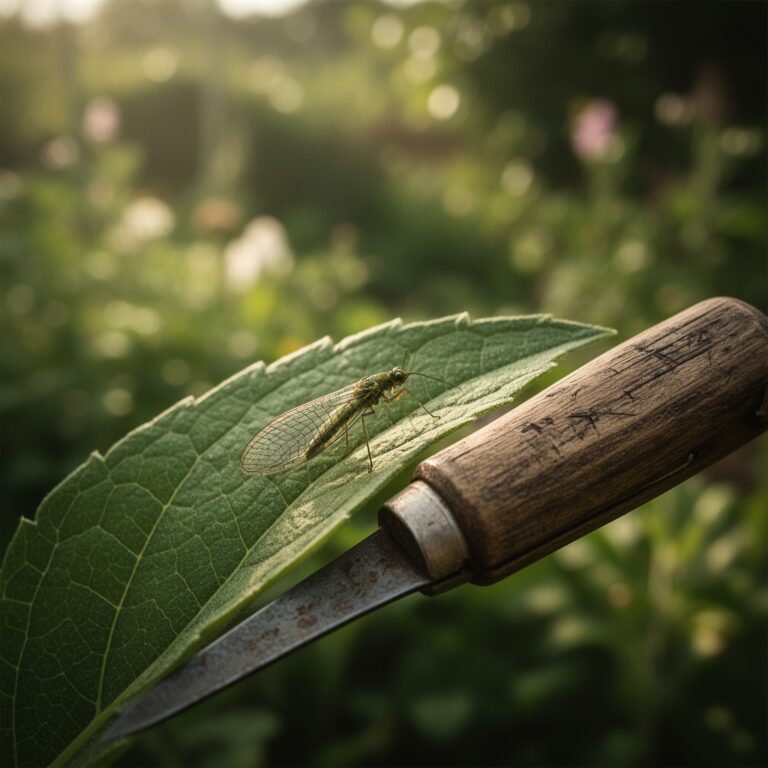
Symptom: Beneficial insects decline despite targeted application. Solution: Apply diatomaceous earth in 3-foot bands around bed perimeters rather than broadcasting across entire garden areas. This preserves interior zones where ground beetles, lacewings, and parasitoid wasps operate. Avoid application during peak pollinator hours of 10 AM-4 PM.
Symptom: Powder clumps and loses effectiveness after 2-3 days. Solution: Humidity above 70% causes clumping. Apply only when relative humidity drops below 60%. In humid climates, switch to early morning applications that benefit from overnight moisture evaporation as temperatures rise.
Symptom: Slugs persist despite perimeter applications. Solution: Increase barrier width to 4-6 inches and depth to 1/4 inch. Slugs can bridge thin applications with mucus trails. Reapply after each rain event. Combine with copper tape at critical entry points for additive mechanical deterrence.
Symptom: Leaf burn appears on young seedlings. Solution: This indicates contamination with pool-grade product or excessive application thickness blocking stomata. Remove affected plants. Flush soil with 2 inches of water. Replant and use food-grade product at half the standard rate (1/16-inch thickness) on seedlings with fewer than four true leaves.
Maintenance
Water deeply once per week at 1-1.5 inches measured with rain gauge. Diatomaceous earth requires reapplication after irrigation but frequent shallow watering creates more reapplication work. Deep watering supports root development while minimizing product loss.
Inspect application bands every 3 days. Look for gaps wider than 1 inch where pest access routes develop. Spot-treat gaps immediately with hand duster rather than waiting for scheduled reapplication.
Remove heavily infested leaves before application. Diatomaceous earth works through desiccation over 24-48 hours. High pest loads overwhelm its mechanical action. Physical removal of 60%+ infested tissue followed by thorough DE coverage manages outbreaks more effectively.
Rotate application areas in successive plantings. While diatomaceous earth is inert, accumulated silicon dioxide in surface soil can reach 3-5% after repeated heavy applications over multiple seasons. This concentration may interfere with seed-to-soil contact in fine-seeded crops like carrots.
FAQ
How long does diatomaceous earth remain effective?
Dry applications last until the next rain or irrigation event. Wet applications last through 2-3 rain events totaling 0.5 inches. Reapply every 7-10 days during active pest pressure regardless of weather if you observe new damage patterns.
Does diatomaceous earth affect soil pH?
No. Food-grade diatomaceous earth is pH neutral at 6.5-7.5 and lacks buffering capacity. Laboratory analysis shows no measurable pH change in soils tested after three seasons of monthly application at standard rates.
Can I mix diatomaceous earth with liquid fertilizers?
Yes, but strain the mixture through cheesecloth before adding to sprayers. Combine with organic liquid fertilizers at 4 tablespoons DE per gallon. Avoid mixing with products containing oils or waxes that coat particles and reduce abrasive effectiveness.
Will diatomaceous earth harm earthworms?
No direct harm occurs. Earthworms possess mucus layers thick enough to prevent desiccation from incidental contact. Laboratory studies show no population changes in beds treated monthly versus untreated controls over 18-month periods.
How much diatomaceous earth do I need per season?
Budget 1 pound per 100 square feet per month during growing season. A 2,000-square-foot garden requires approximately 100 pounds over a 5-month active season with standard reapplication intervals.