9 Simple Steps to Set Pheromone Lures
Pheromone lures act as silent sentinels in the garden, broadcasting species-specific chemical signals that intercept pest populations before they decimate crops. Mastering the steps to set pheromone lures transforms reactive pesticide schedules into precision monitoring systems. Each cartridge releases synthetic volatile compounds that mimic female insect hormones, attracting males into sticky traps or monitoring stations. Placement height, wind patterns, and trap density determine whether the system collapses under pest pressure or captures threshold data that guides targeted intervention. The following protocol integrates pheromone deployment with soil health and plant vigor, ensuring lures function within an integrated pest management framework.
Materials
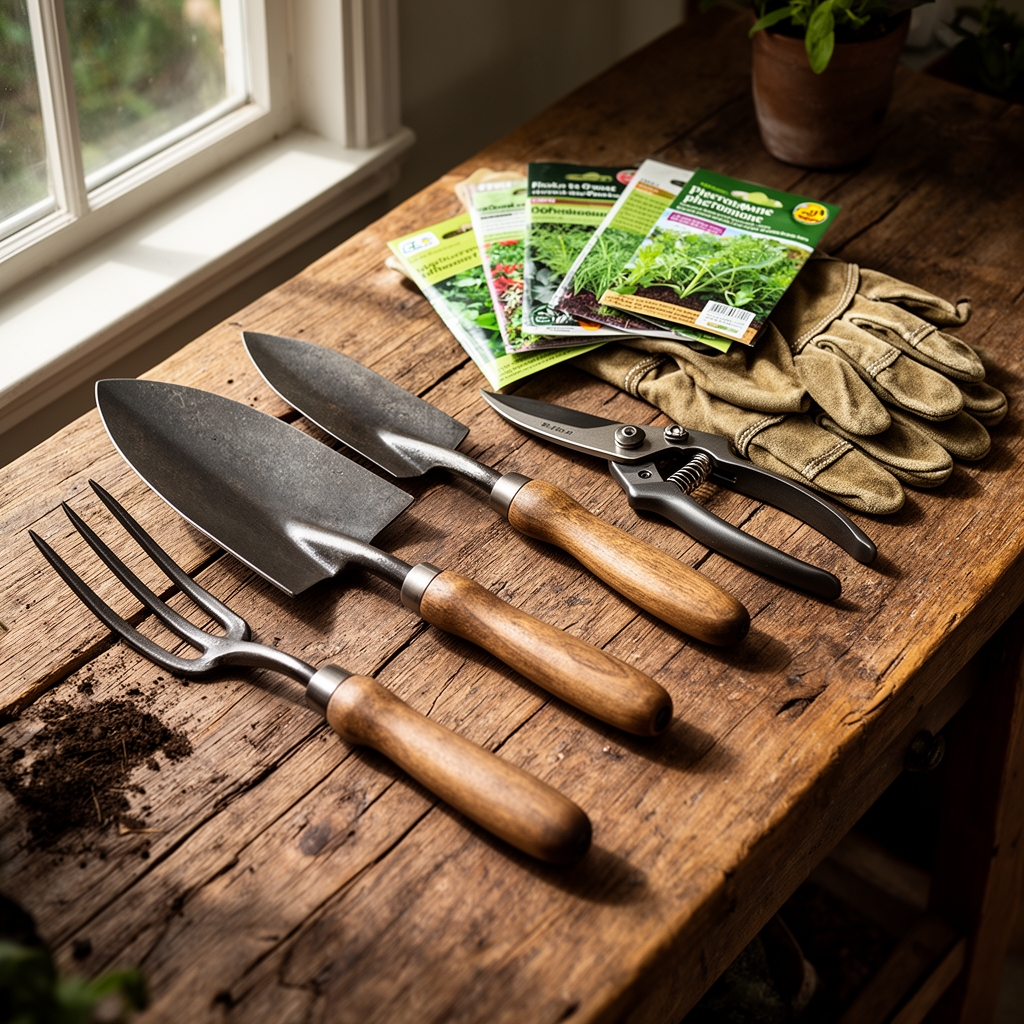
Acquire species-specific pheromone capsules certified by agricultural extension services. Codling moth lures contain (E,E)-8,10-dodecadien-1-ol, while Japanese beetle traps use a blend of phenethyl propionate and eugenol. Purchase delta traps with replaceable sticky inserts rated for UV exposure beyond 90 days. Wire hangers must resist corrosion in humid environments; galvanized steel or stainless options rated for pH 5.5-7.0 soil moisture environments perform best.
Balance lure deployment with soil amendments that strengthen plant resilience. Apply a 4-4-4 organic meal (blood meal, bone meal, kelp) at 2 pounds per 100 square feet to establish baseline nitrogen for brassicas and stone fruits. Mycorrhizal fungi inoculant (Rhizophagus irregularis) at a rate of 0.5 grams per transplant hole improves phosphorus uptake, reducing stress signals that attract opportunistic pests. Maintain cation exchange capacity above 10 meq/100g through compost incorporation, ensuring plants access calcium and magnesium for thick cuticle layers resistant to piercing mouthparts.
Timing
Deploy pheromone lures according to hardiness zone and degree-day accumulation models. In USDA Zone 5, set codling moth traps when accumulated growing degree-days (base 50°F) reach 250, typically late April. Zone 7 gardeners install traps in mid-March as Prunus species complete bloom. Consult regional phenology networks; lilac first-bloom correlates with many Lepidopteran pest flights.
Replace lures every 4-6 weeks during active flight periods. Peak pheromone release occurs in the first 14 days, then tapers 30-40 percent by week five. Mark installation dates with waterproof tags affixed to trap stakes. In Zone 9, year-round monitoring requires monthly capsule rotation due to continuous pest generations and accelerated volatilization rates above 85°F.
Phases

Sowing Phase
Install perimeter traps before crop emergence. Position delta traps 50 feet apart along prevailing wind corridors, 4-5 feet above soil grade for Lepidopteran species. Leaf-feeding beetles require knee-high placement, 2-3 feet above mulch layer. Anchor stakes at a 5-degree angle away from wind to prevent lure saturation in dead air zones.
Pro-Tip: Pair initial lure placement with Bacillus thuringiensis var. kurstaki fol