10 Pro Tips How to Use Salt Spray
Salt spray applications transform coastal and inland gardens by mimicking the mineral-rich aerosol environment of maritime ecosystems. Learning how to use salt spray effectively requires understanding osmotic stress thresholds, foliar absorption rates, and the delicate balance between growth stimulation and tissue damage. This technique strengthens cell walls, enhances drought tolerance, and conditions plants for harsh environmental transitions when applied at precise concentrations and intervals.
Materials
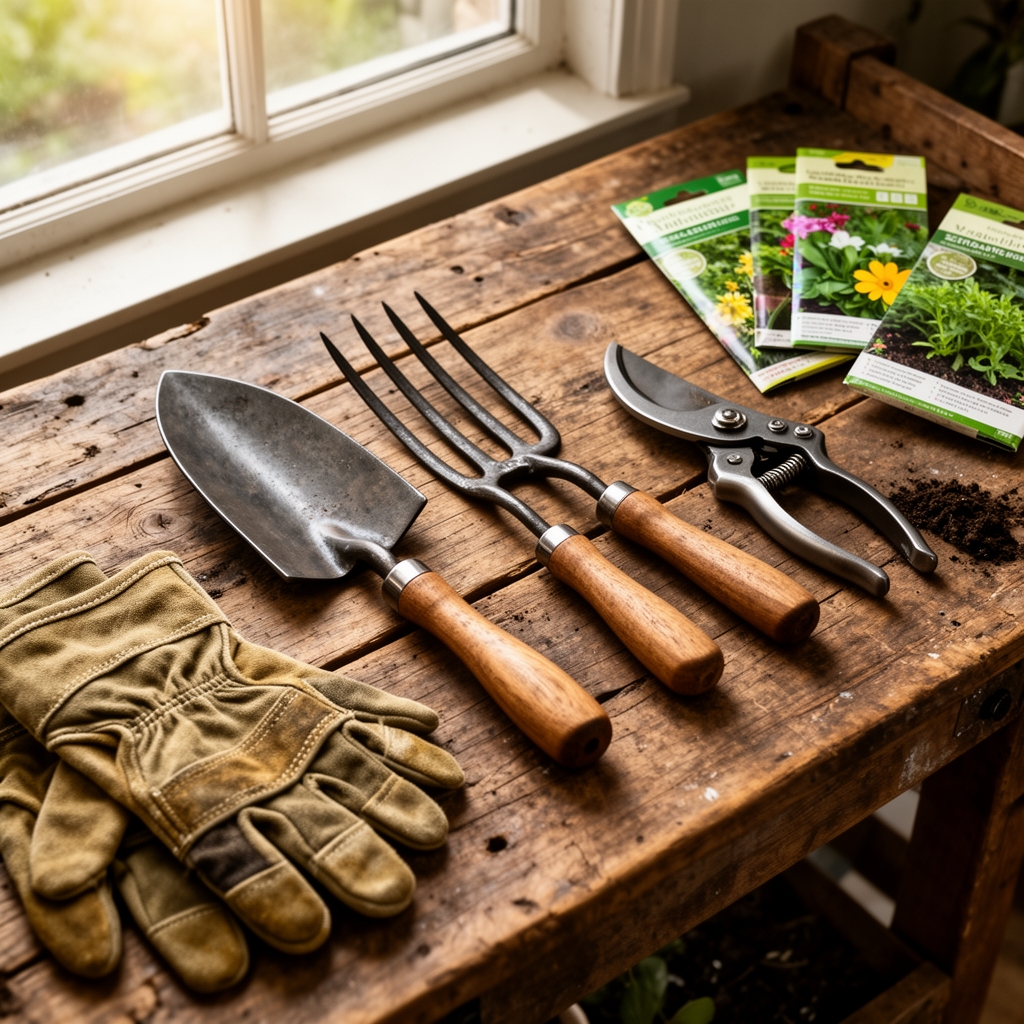
Select sea salt or solar-evaporated sodium chloride with trace minerals intact. Avoid iodized table salt, which contains anti-caking agents that damage leaf stomata. For baseline formulations, use 1 teaspoon per gallon (approximately 0.5% solution by weight). Pair applications with kelp extract (typical NPK 1-0.1-2) to buffer osmotic shock through cytokinin compounds.
Add colloidal silica at 50 ppm to improve cuticle resilience. Use distilled or reverse-osmosis water with pH adjusted to 6.2-6.8 for optimal foliar uptake. Acidic solutions below 5.5 risk accelerating tissue chlorosis. Commercial growers often supplement with calcium chloride at 0.1% concentration to prevent blossom end rot in fruiting species under salt exposure.
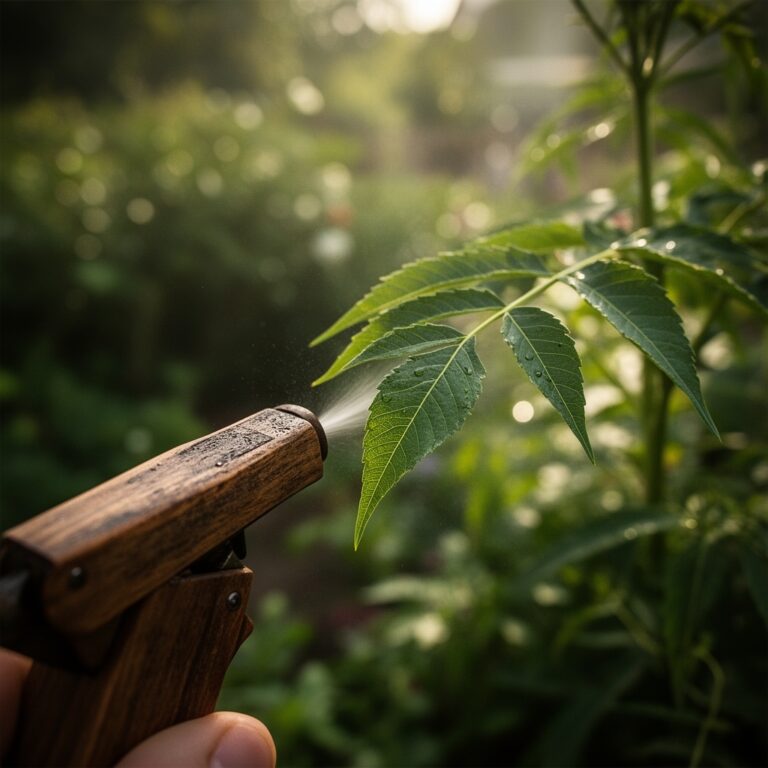
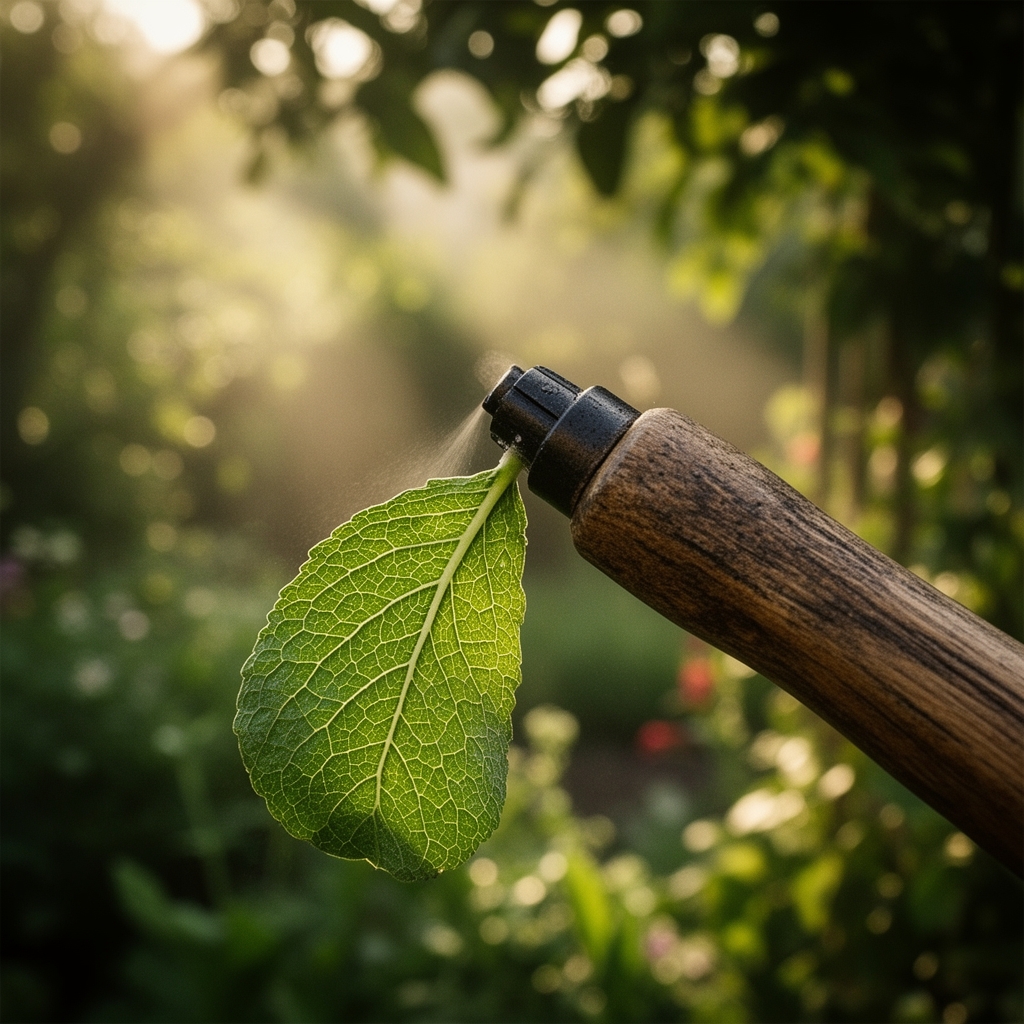
Quality spray equipment matters. Choose pump sprayers with brass or stainless steel nozzles that deliver 150-micron droplets. Finer misting (50-100 microns) enters stomata more efficiently but requires windless conditions. Include a wetting agent like yucca extract at 0.1% to reduce surface tension and improve coverage.
Timing
Applications must align with Hardiness Zones and phenological stages. In Zones 7-10, begin conditioning sprays 6 weeks before average last frost when plants exit dormancy. Northern gardeners in Zones 3-6 should wait until soil temperatures reach 50°F at 4-inch depth to avoid cold-induced membrane rupture.
Early morning application between 6:00 and 9:00 AM allows 4-hour drying time before midday photosynthetic peaks. Evening sprays after 5:00 PM risk prolonged leaf wetness and fungal colonization, particularly in humid climates above 70% relative humidity. Avoid applications when temperatures exceed 85°F, as evaporative concentration can double salt levels on leaf surfaces and cause necrotic spotting.
Frequency depends on rainfall. Coastal gardens naturally receive 2-5 mg of sodium per square foot daily through wind-driven aerosol. Inland growers should apply dilute spray every 10-14 days during active growth, reducing to monthly maintenance once acclimation occurs. Cease applications 3 weeks before harvest in edible crops to prevent excessive sodium accumulation in tissues.
Phases

Sowing: Seeds treated with 0.25% salt solution before planting exhibit 15-20% faster germination in glycophyte species. Soak for 8-12 hours, rinse thoroughly, and sow immediately. The brief osmotic stress triggers abscisic acid production, priming embryos for stress resilience.
Pro-Tip: Combine seed treatment with ectomycorrhizal fungi inoculum (Rhizopogon species) at 1 gram per 100 seeds for conifer and hardwood species. Salt exposure increases fungal colonization rates by 30% through altered root exudate chemistry.
Transplanting: Begin foliar conditioning 2 weeks before field placement. Use 0.3% solution applied to both leaf surfaces until runoff. This gradual exposure reduces transplant shock by 40% through enhanced osmoregulation and increased proline synthesis in cell cytoplasm.
Pro-Tip: Prune lateral roots at 45-degree angles during transplant to stimulate adventitious root formation 2 inches below cut sites. Salt-treated plants develop 25% more secondary roots within this zone due to localized auxin distribution.
Establishing: Increase concentration to 0.5% over weeks 3-6 post-transplant. Apply biweekly while monitoring leaf margins for bronzing. Established plants develop specialized salt glands and altered cation exchange capacity in root zones, allowing them to tolerate higher concentrations.
Pro-Tip: Incorporate gypsum (calcium sulfate) at 2 pounds per 100 square feet to maintain soil calcium-to-sodium ratios above 10:1. This prevents sodium from displacing calcium on clay particles and maintains soil structure.
Troubleshooting
Symptom: Marginal leaf necrosis appearing 24-48 hours after application. Solution: Immediately flush foliage with distilled water and reduce next concentration by 50%. Increase calcium supplementation to 200 ppm and verify spray droplet size remains above 100 microns.
Symptom: Interveinal chlorosis in younger leaves despite adequate iron availability. Solution: Sodium has disrupted magnesium uptake. Apply foliar magnesium sulfate at 1 tablespoon per gallon weekly for three applications. Reduce salt spray frequency to every 21 days.
Symptom: Stunted apical growth and thickened, succulent leaves. Solution: Excessive salt has triggered CAM-like water conservation responses. Leach root zone with 2 gallons of water per square foot. Skip next two applications and resume at 0.3% concentration.
Symptom: White crystalline deposits on leaf surfaces. Solution: Reduce concentration or improve water quality. Deposits indicate excessive mineral content. Switch to deionized water and add chelated micronutrients separately.
Maintenance
Apply 1 inch of water weekly through drip irrigation to prevent salt accumulation in root zones. Monitor soil electrical conductivity monthly, maintaining levels below 2.0 dS/m for salt-sensitive species and below 4.0 dS/m for tolerant varieties. Leach root zones with 6 inches of water quarterly to flush accumulated sodium below the active root depth of 18 inches.
Feed with balanced slow-release fertilizer (14-14-14) at 1 pound per 100 square feet every 8 weeks. Salt-treated plants require 20% more potassium to maintain proper sodium-potassium pump function in cell membranes. Mulch with 3 inches of aged pine bark to stabilize soil temperature and reduce evaporative salt concentration at the surface.
FAQ
What concentration is safe for vegetables? Start at 0.2% (approximately 1/2 teaspoon per gallon) for leafy greens and cucurbits. Tomatoes and peppers tolerate 0.4% once established after 4 weeks of gradual exposure.
Can salt spray replace fertilizer? No. Salt provides sodium and trace minerals but lacks nitrogen, phosphorus, and potassium. Use as a supplemental stress-conditioning treatment alongside complete nutrition programs.
How long until plants show tolerance? Physiological adaptation requires 6-8 weeks of consistent low-dose exposure. Genetic expression changes occur within 3 weeks, but structural modifications like salt gland development take 45-60 days.
Will this harm beneficial soil microbes? Applications at recommended concentrations (0.5% or less) do not significantly alter rhizosphere populations when combined with adequate leaching. Maintain soil organic matter above 5% to buffer microbial communities.
When should I stop applications? Cease 3 weeks before harvest in edibles, before first frost in perennials, and during flowering in ornamentals sensitive to pollinator disruption from leaf surface residues.