5 Clever Ways How to Use Manual Pullers
The soil releases a weed with surprising resistance when you tug by hand, roots tearing halfway and leaving the crown to regenerate within a week. Manual pullers solve this problem by leveraging mechanical advantage to extract the entire taproot in one motion, preserving soil structure while eliminating perennial invaders. Learning how to use manual pullers transforms tedious weeding into efficient garden management, especially in beds where herbicides would damage desirable plants or disrupt mycorrhizal fungi networks. These tools work best in moist soil with balanced cation exchange capacity, where roots slide free without excessive force.
Materials
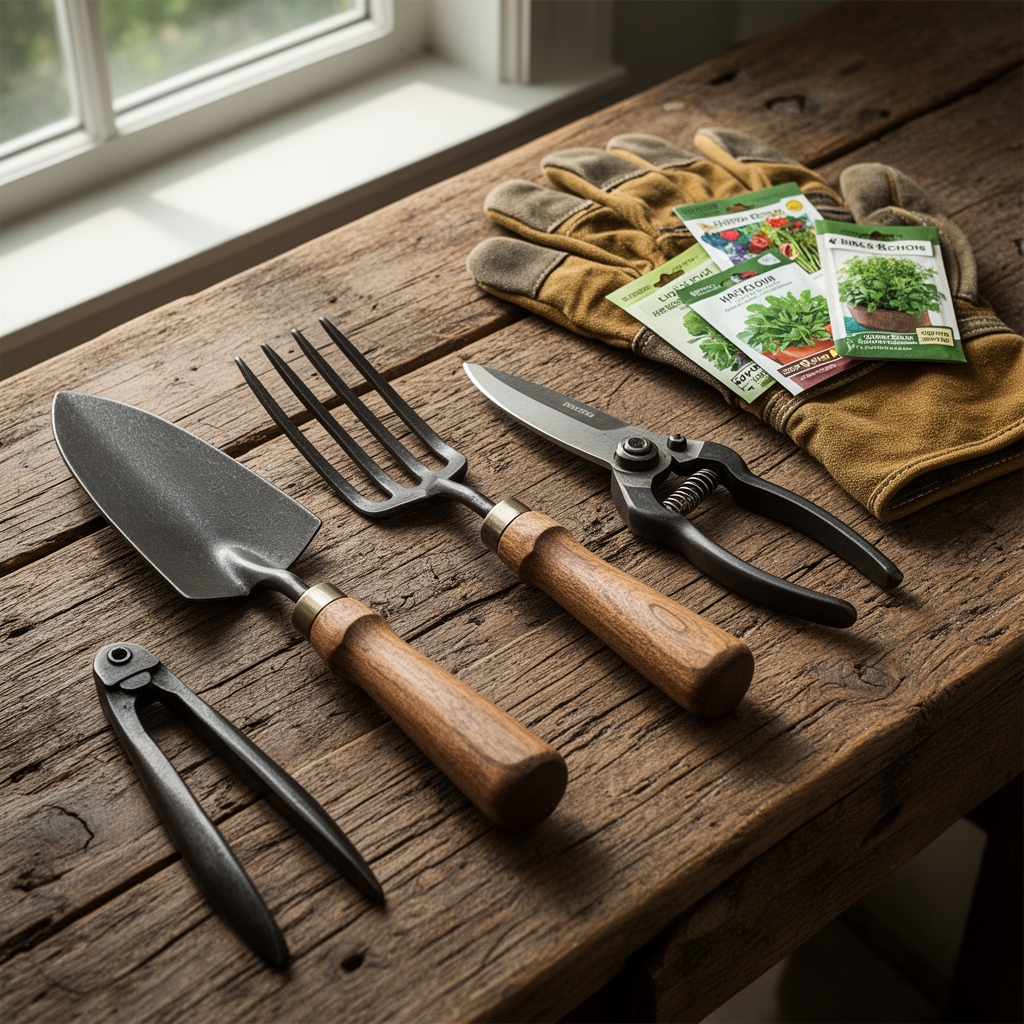
Select a manual puller based on weed type and soil characteristics. Stand-up pullers with foot platforms suit dandelions and dock in loamy soil at pH 6.0 to 7.0. Handheld claw-style pullers work for thistle and plantain in compacted clay. Twist-and-pull models excel with fibrous-rooted species in sandy substrates.
Soil amendments influence extraction success. Apply compost with an NPK ratio of 1-1-1 to maintain friable texture. Avoid high-nitrogen amendments like blood meal (12-0-0) before weeding sessions, as they encourage lush top growth that snaps during pulling. For acidic beds below pH 5.5, incorporate dolomitic lime at 5 pounds per 100 square feet six weeks before intensive weed removal to improve soil aggregation.
Wear gloves with textured palms for grip. Keep a bucket of water nearby to rinse soil from extracted roots, making it easier to identify missed fragments. A soil knife complements pullers for severing lateral roots on mature specimens.
Timing
Weed during active growth phases when auxin distribution concentrates in roots. In Zones 5 through 7, target dandelions between April 15 and May 30, after soil temperatures reach 50°F but before seed head formation. For Zones 8 and 9, extend the window from March 1 through April 20.
Pull thistles in their rosette stage, typically two weeks after the last spring frost. Mature thistles develop roots exceeding 18 inches, requiring multiple extraction attempts. In Zone 6, this corresponds to late April; in Zone 9, aim for mid-February.
Fall offers a secondary window. Pull perennial weeds from September 10 to October 25 in northern zones, when plants redirect energy into root storage. Soil moisture from autumn rains reduces pull resistance by 30 percent compared to summer extraction.
Phases

Sowing (Site Preparation)
Irrigate target areas 24 hours before pulling. Soil at field capacity allows roots to slide through aggregates without tearing. Test moisture by squeezing a handful; it should form a ball that crumbles under light pressure.
Identify weed species by leaf morphology. Dandelions show toothed margins and milky sap. Dock produces broad, lance-shaped leaves with prominent midribs. Plantain displays parallel veins and a basal rosette.
Pro-Tip: Mark clusters of deep-rooted perennials with flags. Return to these spots after rain events when extraction requires 40 percent less force.
Transplanting (Extraction Technique)
Position the puller jaws directly around the weed's crown, not the leaves. For stand-up models, place the fulcrum 2 inches from the stem base. Step on the foot platform while pulling the handle toward your body in one smooth motion. The lever multiplies your 20-pound input into 80 pounds of extraction force.
For claw pullers, insert tines at a 75-degree angle, encircling the taproot 1 inch below the soil surface. Twist 180 degrees clockwise, then pull vertically. This rotation severs feeder roots while maintaining grip on the central taproot.
Pro-Tip: If resistance exceeds comfortable force, use a soil knife to cut a 6-inch circle around the weed at 4 inches deep. This pre-severs lateral roots without fragmenting the main taproot.
Establishing (Post-Extraction Care)
Fill extraction holes immediately with a 50/50 mix of native soil and compost (NPK 2-2-2). This prevents soil subsidence and discourages new weed germination in disturbed zones. Tamp lightly to eliminate air pockets that disrupt water movement.
Shake extracted weeds over a tarp to dislodge soil. Inspect roots for white, thread-like fragments; these regenerate if returned to soil. Dispose of weeds in municipal yard waste or hot compost piles maintaining 140°F for 14 days.
Pro-Tip: Inoculate refilled holes with mycorrhizal fungi at 1 teaspoon per hole to accelerate root colonization of desirable plants.
Troubleshooting
Symptom: Taproot breaks during extraction, leaving bottom third in soil.
Solution: Re-insert puller jaws 3 inches deeper. Twist 90 degrees and pull at a 60-degree angle to follow the root's natural descent path.
Symptom: Puller jaws slip off wet, narrow stems like young dock.
Solution: Wipe stems with a dry cloth. Wrap jaws with rubber bands to increase friction coefficient by 25 percent.
Symptom: Weed crowns regenerate within 10 days despite apparent full extraction.
Solution: Examine pulled roots under bright light for hairline fractures. These indicate incomplete removal. Mark the site and re-pull after 5 days of growth.
Symptom: Soil compaction around extraction sites prevents water infiltration.
Solution: Aerate a 12-inch radius with a garden fork, creating four punctures 6 inches deep.
Maintenance
Pull weeds every 7 to 10 days during peak growing season. This prevents root systems from exceeding the puller's effective depth range of 10 inches.
Clean puller jaws after each session using a wire brush to remove soil particles. Apply 3-in-1 oil to pivot points monthly to maintain smooth lever action.
Water extraction sites with 0.5 inches of water immediately after pulling. This settles soil and prevents desiccation of nearby plant roots disturbed during the process.
FAQ
How deep must a manual puller reach for dandelions?
Dandelion taproots average 8 to 12 inches. Select pullers rated for 10-inch minimum depth.
Can pullers damage desirable plant roots?
Maintain a 4-inch radius from ornamental crowns. Mycorrhizal networks recover within 3 weeks if disturbance stays localized.
What soil moisture is ideal for pulling?
Aim for 60 to 75 percent field capacity. Saturated soil causes root breakage; dry soil increases pull force by 50 percent.
How do I prevent weed regrowth after pulling?
Apply 2 inches of mulch to extraction zones. This blocks light, preventing germination of seeds disturbed during soil disruption.
Should I pull before or after fertilizing?
Pull first. Fertilizer application (5-10-10 at 2 pounds per 100 square feet) encourages desirable plants to colonize gaps weeds once occupied.