7 Vibrant-Growth Benefits of Specialized Palm Soil
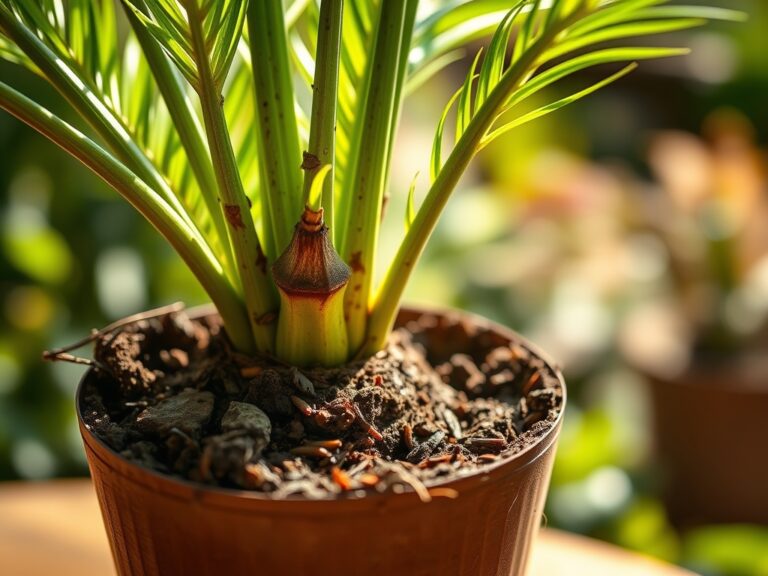
The smell of damp peat and the gritty friction of perlite between the fingers signify the start of a successful planting cycle. A healthy palm leaf exhibits high turgor pressure; it is rigid, waxy, and resistant to bending. Achieving this structural integrity requires more than standard potting mix. Using a specialized palm soil ensures that the rhizosphere receives the precise balance of aeration and moisture retention necessary for monocot development. Standard soils often compact, leading to anaerobic conditions that suffocate the sensitive, adventitious root systems characteristic of the Arecaceae family. By providing a substrate with a high Cation Exchange Capacity (CEC), the grower ensures that essential micronutrients like manganese and magnesium remain bioavailable rather than leaching out during heavy irrigation. This technical approach prevents the common physiological decline seen in containerized specimens. Success begins in the dirt. The physical structure of the soil dictates the metabolic rate of the plant; without the correct porosity, the palm cannot maintain the osmotic gradient required to pull water from the medium into the vascular tissue.
Materials:
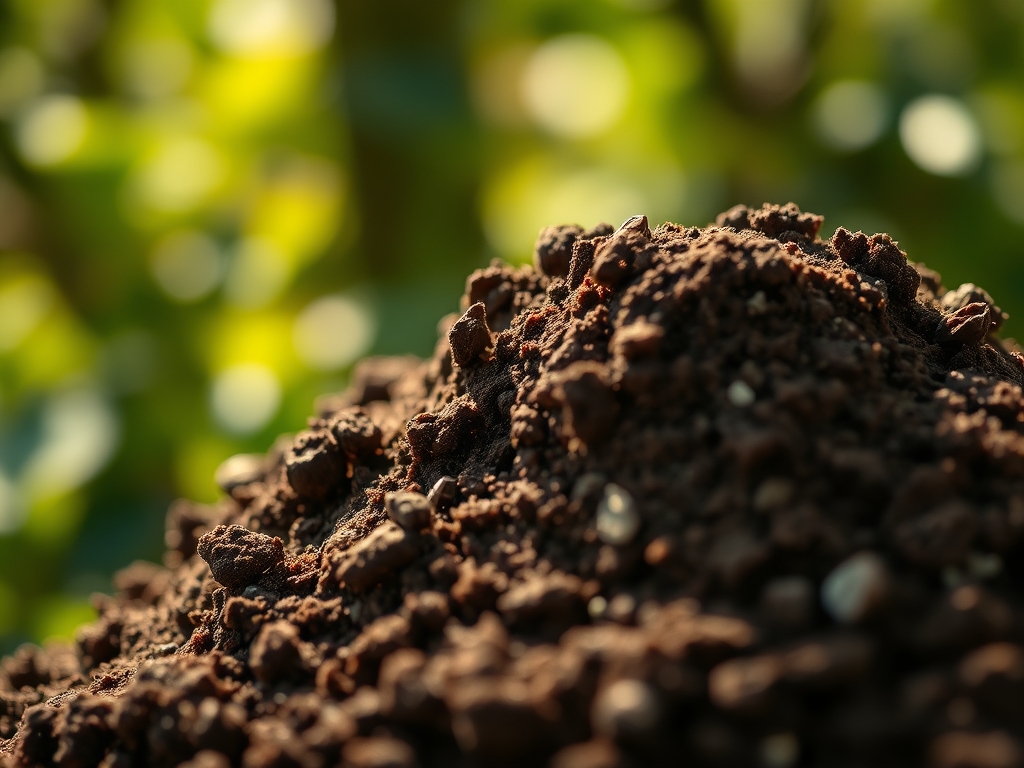
The ideal substrate is a **friable loam** with a coarse, gritty texture. It must facilitate rapid drainage while retaining a film of moisture around organic particles. The chemical composition must be strictly regulated to support the unique metabolic demands of palms.
- Soil pH: Maintain a range between 5.5 and 6.5. This slightly acidic environment prevents the lockout of metallic micronutrients.
- NPK Ratios: For initial establishment, utilize a slow-release formula with a 3:1:3 or 2:1:2 ratio. Specifically, look for 12-4-12 or 8-2-12 fertilizers integrated into the mix.
- Micronutrients: The mix must contain 1.5% Magnesium (Mg) and 0.1% Manganese (Mn) to prevent interveinal chlorosis and frizzletop.
- Physical Components: A blend of 40% peat moss or coconut coir, 30% pine bark nuggets, and 30% coarse silica sand or perlite creates the necessary macropores for gas exchange.
Timing:
Palms are biologically hardwired to respond to soil temperature rather than ambient air temperature. Most species require a consistent soil temperature of at least 65 degrees Fahrenheit (18 degrees Celsius) to initiate root elongation. In Hardiness Zones 8 through 11, the primary planting window opens in late spring, typically two to three weeks after the last frost date.
The biological clock of the palm is governed by the transition from the vegetative state to the reproductive stage, though in ornamental cultivation, the focus remains on maximizing leaf area index. Avoid transplanting during the winter dormancy period; the plant's metabolic rate drops, and the ability to repair root damage is significantly diminished. If the photoperiod drops below 10 hours of light, the plant enters a state of semi-senescence, making it highly susceptible to root rot if the soil remains saturated.
Phases:
Sowing
When starting from seed, scarification is often necessary to break the tough endocarp. Place seeds in a sterile, high-drainage medium at a depth equal to the seed's diameter. Maintain a constant temperature of 85 degrees Fahrenheit.
Pro-Tip: High heat triggers the production of gibberellic acids within the seed, which overcomes embryonic dormancy and accelerates the emergence of the radicle.
Transplanting
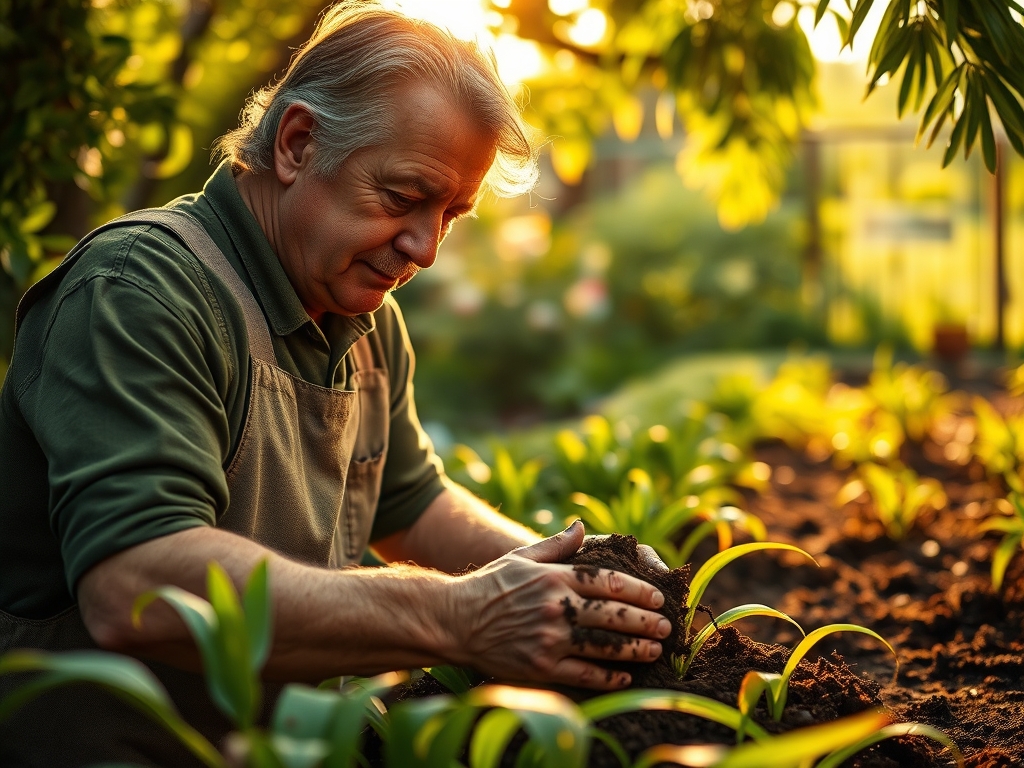
When moving a palm to a larger vessel or the ground, ensure the root ball remains intact. The new hole should be twice as wide as the current root mass but no deeper. Using a specialized palm soil to backfill the space provides a buffer against transplant shock.
Pro-Tip: Avoid burying the trunk deeper than its original soil line to prevent "stem-girdling" roots and oxygen deprivation at the root flare; this preserves the natural auxin flow from the apical meristem to the root tips.
Establishing
During the first 90 days, the palm focuses on anchoring. Water must be applied directly to the root ball. Do not apply high-nitrogen surface fertilizers during this phase, as it can burn new, unhardened root hairs.
Pro-Tip: Mycorrhizal symbiosis is critical here; the fungi extend the reach of the root system, increasing the surface area for phosphorus absorption by up to 1,000 percent.
The Clinic:
Physiological disorders in palms are almost always tied to soil chemistry or water management.
- Symptom: Frizzletop (stunted, distorted new growth).
- Solution: This indicates a Manganese deficiency. Check soil pH; if it is above 7.0, the manganese is chemically bound and unavailable. Apply manganese sulfate at a rate of 1 pound per 100 square feet.
- Symptom: Lower leaf yellowing (Chlorosis).
- Solution: This is typically Nitrogen or Magnesium deficiency. If yellowing starts at the tips of the oldest fronds, it is Magnesium. Apply Epsom salts (Magnesium Sulfate). If the entire leaf turns pale green, it is Nitrogen.
- Symptom: "Graphiola" Leaf Spot (small black bumps).
- Solution: This is a fungal issue exacerbated by high humidity and poor air circulation. Increase spacing and reduce overhead irrigation to lower the leaf wetness duration.
Fix-It: For general nutrient lockout, flush the soil with deionized water to remove excess salts, then re-introduce a balanced, chelated micronutrient solution.
Maintenance:
Precision is the hallmark of professional palm care. Use a soil moisture meter to ensure the substrate remains at a "moist but not saturated" level. For an established palm in the landscape, provide 1.5 inches of water per week delivered at the drip line, which is the area directly beneath the outer circumference of the canopy.
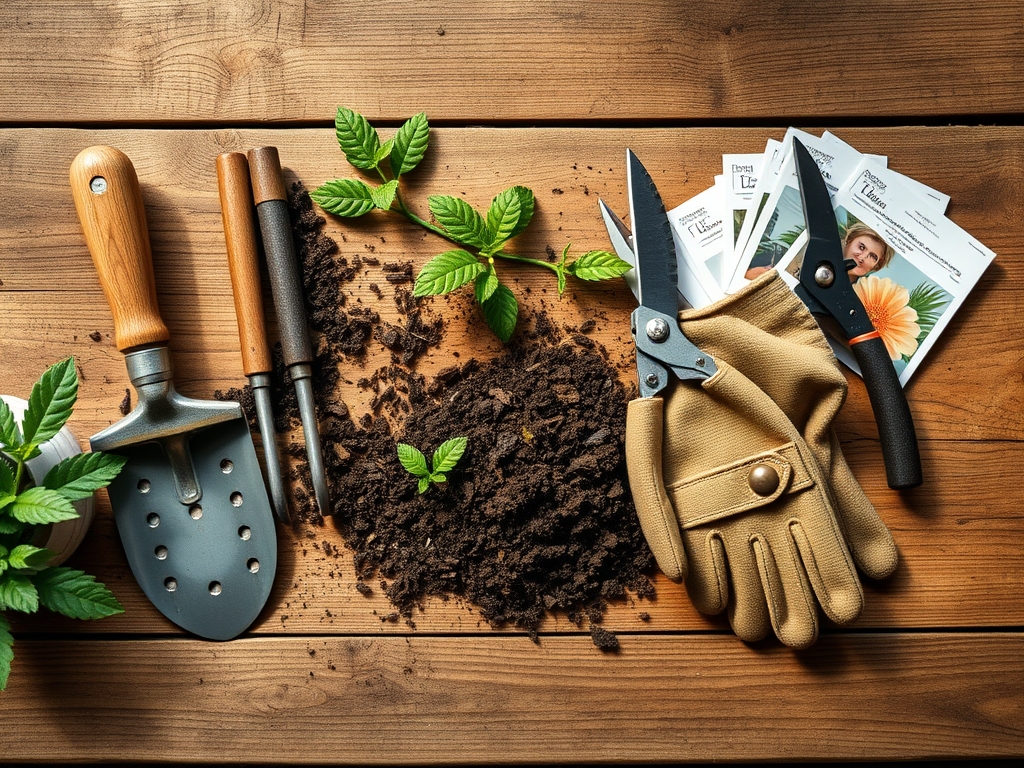
When pruning, use bypass pruners for small stems and a hori-hori knife for removing suckers or weeds near the base. Never remove fronds that are still green; even a yellowing frond is actively translocating mobile nutrients like Potassium back into the heart of the plant. Only prune when the frond is completely brown and dry. Use a soil probe once a quarter to check for compaction layers that might impede drainage.
The Yield:
While most palms are grown for foliage, species like the Date Palm (Phoenix dactylifera) require specific harvest protocols. Harvest dates occur when the fruit reaches the "Tamr" stage, where moisture content drops to about 20 percent. To maintain day-one freshness, harvested fruit must be cooled to 32 degrees Fahrenheit immediately to slow the respiration rate and prevent sugar fermentation. For ornamental palms, the "yield" is the production of new spear leaves. A healthy specimen should produce 3 to 10 new fronds per year depending on the species and light levels.
FAQ:
How often should I water a palm in specialized soil?
Water when the top 2 inches of soil feel dry. Typically, this occurs every 4 to 7 days depending on evaporation rates. Use a moisture meter to confirm a reading of "4" or "5" on a 10-point scale.
Can I use regular potting soil for my palm?
Regular soil lacks the necessary drainage and specific micronutrients like manganese and magnesium. Over time, standard peat-based mixes collapse, leading to root suffocation and nutrient deficiencies that manifest as yellowing or stunted fronds.
What is the best pH for palm growth?
Palms thrive in a slightly acidic environment with a pH between 5.5 and 6.5. This range ensures that metallic micronutrients remain soluble and available for root uptake. Use elemental sulfur to lower pH if it exceeds 7.5.
When is the best time to fertilize?
Fertilize only during the active growing season, from early spring to late summer. Stop all fertilization 6 weeks before the first expected frost to allow the plant to harden off and prevent succulent new growth from freezing.