9 Shade-Loving Steps to Prepare a Shade-Loving Begonia Shelf
The scent of damp, acidic peat and the tactile snap of a leaf with high turgor pressure define the successful cultivation of the genus Begonia. To master these specimens, you must move beyond casual gardening into the realm of precise environmental control. Learning how to prepare a plant shelf for begonias requires a deep understanding of the relationship between ambient humidity and the structural integrity of the plant's cell walls. A well-constructed shelf acts as a micro-climate laboratory where you manipulate light intensity and moisture to prevent leaf scorch and fungal pathogens. You are not merely placing pots on a rack; you are engineering a stable rhizosphere within a vertical space. Every centimeter of shelf height affects air circulation and temperature gradients. If the shelf is too close to a heat source, the transpiration rate will exceed the root's ability to uptake water, leading to immediate cellular collapse. Success depends on the calibration of light, substrate, and structural support to sustain the high metabolic demands of these shade-dwelling species.
Materials:
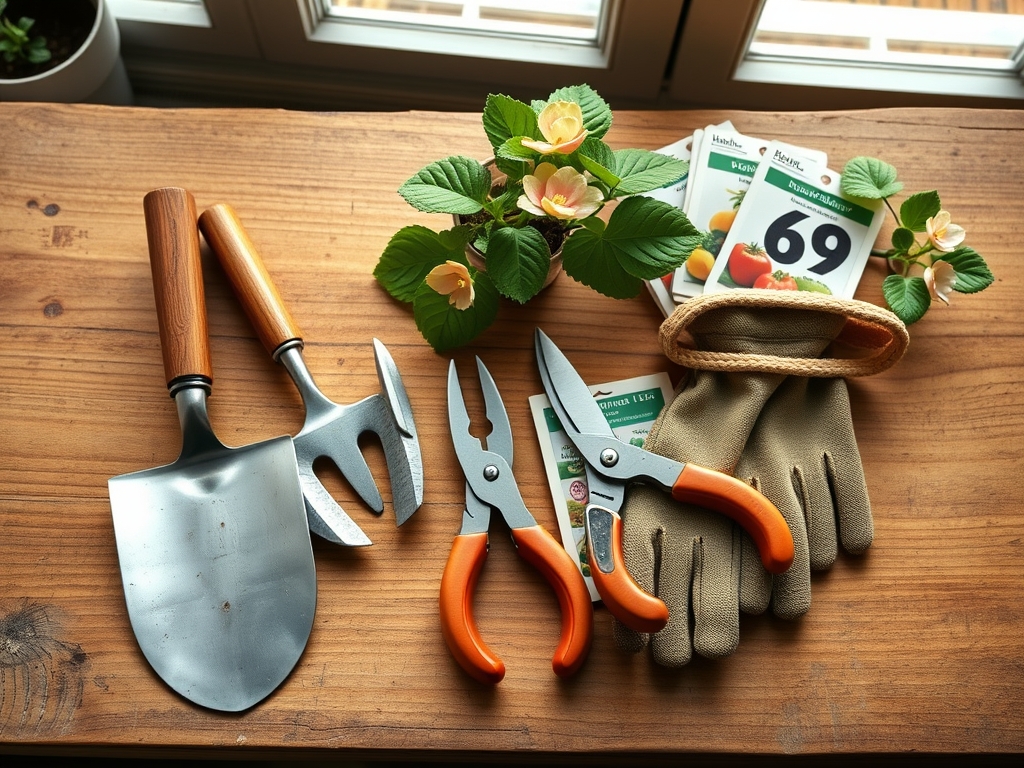
The substrate is the foundation of the shelf system. Begonias require a pH level between 5.5 and 6.5 to ensure optimal nutrient availability. A friable loam texture is essential; it must feel gritty but hold its shape when squeezed. Use a mix consisting of 40 percent peat moss, 20 percent perlite, 20 percent vermiculite, and 20 percent shredded pine bark. This composition ensures a high Cation Exchange Capacity (CEC), allowing the roots to efficiently pull minerals from the soil solution.
For fertilization, utilize a water-soluble NPK ratio of 10-10-10 or 20-20-20 diluted to quarter strength. High nitrogen levels support the vegetative expansion of rhizomatous types, while phosphorus is critical for the root development of tuberous varieties. Avoid heavy clay soils that compact and suffocate the root system; the goal is a porous medium that allows for rapid gas exchange within the rhizosphere.
Timing:
Begonias are highly sensitive to thermal fluctuations. In Hardiness Zones 9 through 11, many species can remain outdoors, but for most collectors, the plant shelf must be an indoor fixture. The biological clock of the Begonia is governed by the photoperiod. As daylight hours shift, the plant transitions from a vegetative state to a reproductive or dormant stage.
Initiate your shelf setup approximately four to six weeks before the last frost date in your region. This allows the plants to establish a robust root system before the peak growing season. If you are growing tuberous begonias, they require a period of senescence during the winter months where temperatures are maintained at a steady 45 to 55 degrees Fahrenheit. Once the internal biological clock triggers new growth in early spring, move them to the shelf where temperatures remain between 65 and 75 degrees Fahrenheit.
Phases:
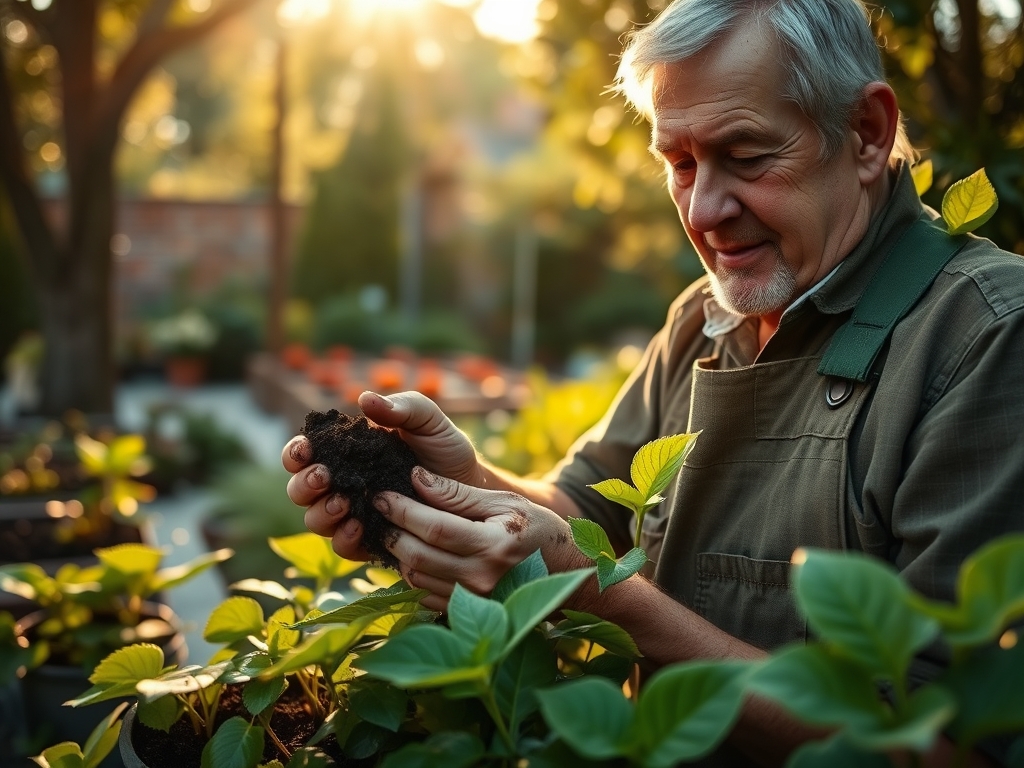
Sowing and Propagation
When starting from seed or leaf cuttings, humidity is the primary variable. Place seeds on the surface of the substrate; they are photoblastic and require light to trigger germination. Maintain a constant humidity level of 70 to 80 percent using a clear humidity dome.
Pro-Tip: Use a sterilized medium to prevent "damping off." The biological why involves protecting the emerging hypocotyl from fungal pathogens like Pythium, which thrive in the high-moisture environments necessary for Begonia germination.
Transplanting
Move seedlings or established cuttings when they possess at least two sets of true leaves. Ensure the new container is only one size larger than the previous one to prevent "wet feet," where excess soil retains too much moisture for the small root mass to process.
Pro-Tip: Inoculate the soil with mycorrhizal fungi during transplanting. The biological why is centered on mycorrhizal symbiosis; the fungi extend the root system's reach, increasing the surface area for phosphorus and water absorption.
Establishing on the Shelf
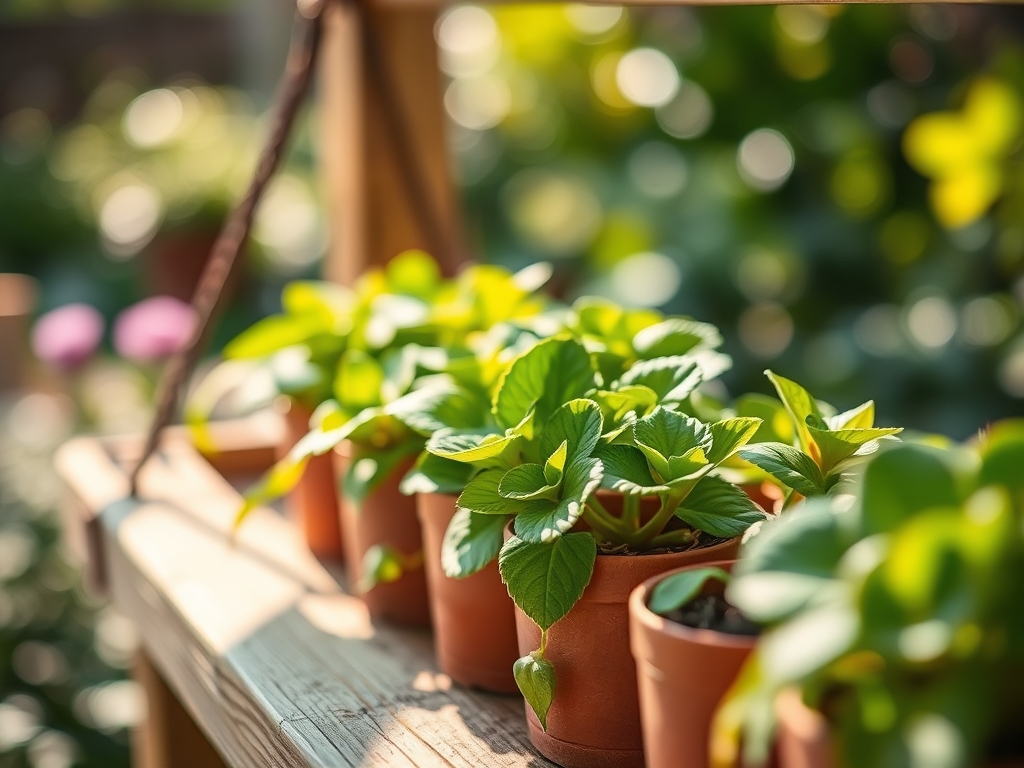
Arrange the plants based on their light requirements. Place Rex begonias on the lower shelves where light intensity is approximately 1,000 to 1,500 foot-candles. Cane-like begonias can handle higher shelves with intensities up to 2,500 foot-candles.
Pro-Tip: Rotate pots 90 degrees every week. The biological why is to counter phototropism; by redistributing the light exposure, you prevent the accumulation of auxins on the shaded side of the stem, ensuring upright, symmetrical growth.
The Clinic:
Physiological disorders often mimic infectious diseases. Accurate diagnosis is required for effective intervention.
- Symptom: Interveinal Chlorosis (Yellowing between veins)
- Cause: Iron or Magnesium deficiency.
- Fix-It: Check the soil pH. If the pH is above 7.0, iron becomes insoluble. Apply a chelated iron drench or adjust the pH to 5.8.
- Symptom: Leaf Margin Necrosis (Brown, crispy edges)
- Cause: Low humidity or salt buildup from tap water.
- Fix-It: Increase local humidity to 60 percent and flush the substrate with distilled water to leach accumulated salts.
- Symptom: Epinasty (Downward curling of leaves)
- Cause: Ethylene gas exposure or over-saturation of the root zone.
- Fix-It: Improve air circulation with a small fan and ensure the pot has adequate drainage holes.
- Symptom: Nitrogen Chlorosis (Overall pale green/yellow leaves)
- Cause: Nitrogen deficiency.
- Fix-It: Apply a high-nitrogen liquid fertilizer (NPK 30-10-10) at half strength to rapidly restore chlorophyll production.
Maintenance:
Precision maintenance is the difference between a surviving plant and a thriving one. Use a soil moisture meter to ensure the substrate remains consistently moist but never waterlogged. As a general rule, apply approximately 1.0 to 1.5 inches of water per week, delivered directly to the soil surface to avoid wetting the foliage.
Keep a hori-hori knife available for dividing overgrown rhizomes and a pair of sharp bypass pruners for removing senescent leaves. Pruning should be done just above a node to encourage branching. Monitor the shelf for dust accumulation on the leaves; dust blocks the stomata and reduces the efficiency of gas exchange. Wipe leaves gently with a damp cloth every 14 days.
The Yield:
While begonias are primarily grown for foliage, many varieties produce striking inflorescences. For maximum floral display, ensure the plant receives a consistent 12 to 14 hours of filtered light. If you are harvesting flowers for display or edible use (in specific species like Begonia x semperflorens-cultorum), cut the stems in the early morning when turgor pressure is at its peak.
Use a sterilized blade to make a clean diagonal cut. Immediately submerge the cut end in 70-degree Fahrenheit water. This prevents air embolisms from forming in the xylem, which would otherwise block water transport and cause the bloom to wilt prematurely. For "day-one" freshness, store the harvested blooms in a cool, humid environment away from ripening fruit, which releases ethylene gas.
FAQ:
How much light do shelf begonias need?
Begonias require filtered light between 1,000 and 2,500 foot-candles. Avoid direct midday sun, which causes rapid transpiration and leaf scorch. Use LED grow lights positioned 12 to 18 inches above the foliage for consistent results.
What is the best soil for begonias?
A well-draining, peat-based mix with a pH of 5.5 to 6.5 is ideal. Combine peat moss, perlite, and pine bark. This ensures high porosity for oxygen to reach the rhizosphere while maintaining necessary moisture levels.
How often should I water begonias on a shelf?
Water when the top 0.5 inches of soil feels dry. This usually equates to 1.5 inches of water per week. Use a soil moisture meter to avoid over-saturation, which leads to root rot and cellular collapse.
Why are my begonia leaves falling off?
Sudden leaf drop is often caused by thermal shock or extreme humidity shifts. Ensure temperatures stay between 65 and 75 degrees Fahrenheit. Check for waterlogged soil, which prevents the roots from absorbing oxygen, leading to leaf abscission.
Do begonias need high humidity?
Yes, most species thrive in 50 to 70 percent humidity. On a plant shelf, use pebble trays or a dedicated humidifier. Proper humidity maintains turgor pressure and prevents the leaf margins from becoming necrotic.