5 Pro Tips How to Grow Low Light Houseplants
Crushing a handful of damp peat reveals the pungent, metallic scent of active microbial life. A healthy leaf possesses high turgor pressure; it feels rigid and cool to the touch because the vascular system is fully hydrated. Understanding how to grow low light houseplants requires a shift from aesthetic placement to metabolic management. Low light does not mean no light. It means managing a plant that operates on a caloric deficit. You must calibrate the rhizosphere to compensate for reduced photosynthetic activity. Most failures occur because the gardener treats a low-energy plant with high-energy inputs. Over-saturation of the substrate leads to anaerobic conditions, causing the root system to collapse before the first new leaf unfurls. Success depends on maintaining a delicate equilibrium between soil porosity and moisture retention.
Materials:
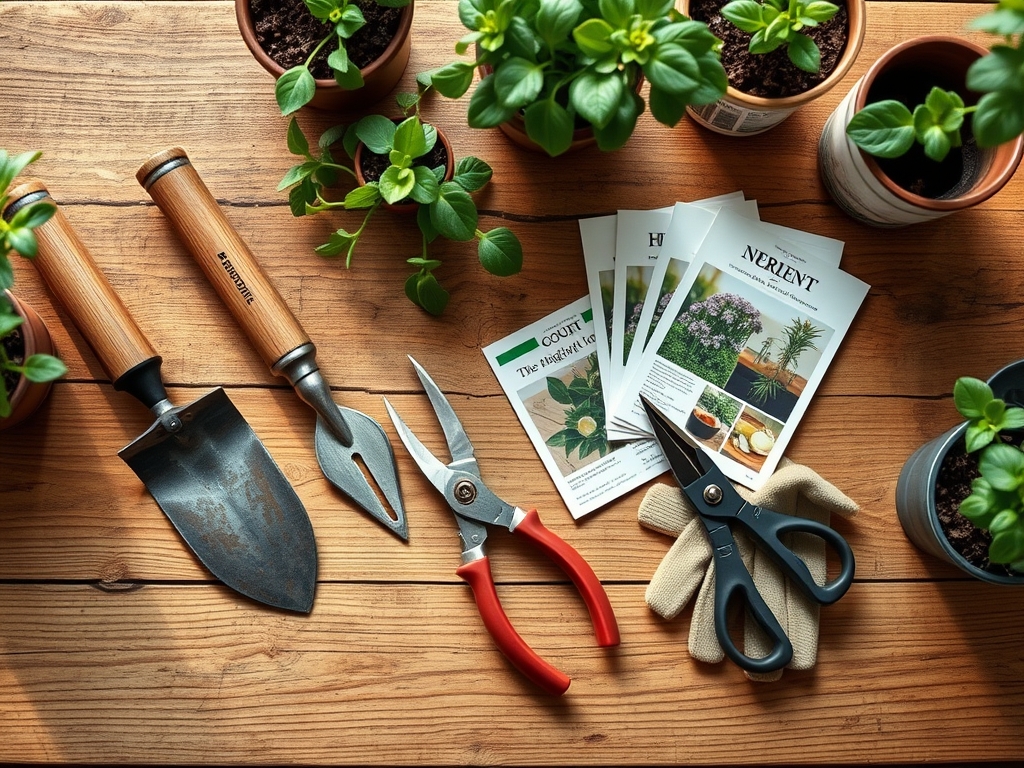
The substrate for low light specimens must be a friable loam with high porosity to prevent root rot. Aim for a **soil pH between 5.8 and 6.5** to ensure optimal nutrient availability. Because these plants grow slowly, they require a low-octane fertilization schedule. Use a water-soluble fertilizer with an **NPK ratio of 10-10-10 or 20-20-20** diluted to half strength.
The physical texture should consist of 40 percent peat moss, 30 percent perlite, and 30 percent pine bark. This mixture ensures a high Cation Exchange Capacity (CEC), allowing the soil to hold onto essential ions like calcium and magnesium without becoming waterlogged. Avoid heavy garden soils that compact over time; compaction eliminates the oxygen pockets required for cellular respiration within the root zone.
Timing:
While indoor environments are controlled, plants still respond to the external photoperiod. Most low light houseplants are tropical understory species native to USDA Hardiness Zones 10 through 12. They do not tolerate temperatures below 55 degrees Fahrenheit.
The biological clock of these plants is tied to seasonal light shifts. During the spring equinox, the plant enters its vegetative stage, increasing its demand for nitrogen. As the winter solstice approaches, the plant enters a period of semi-dormancy or senescence. During this phase, metabolic rates drop by nearly 50 percent. You must reduce irrigation and halt fertilization during this window to prevent salt buildup in the rhizosphere.
Phases:
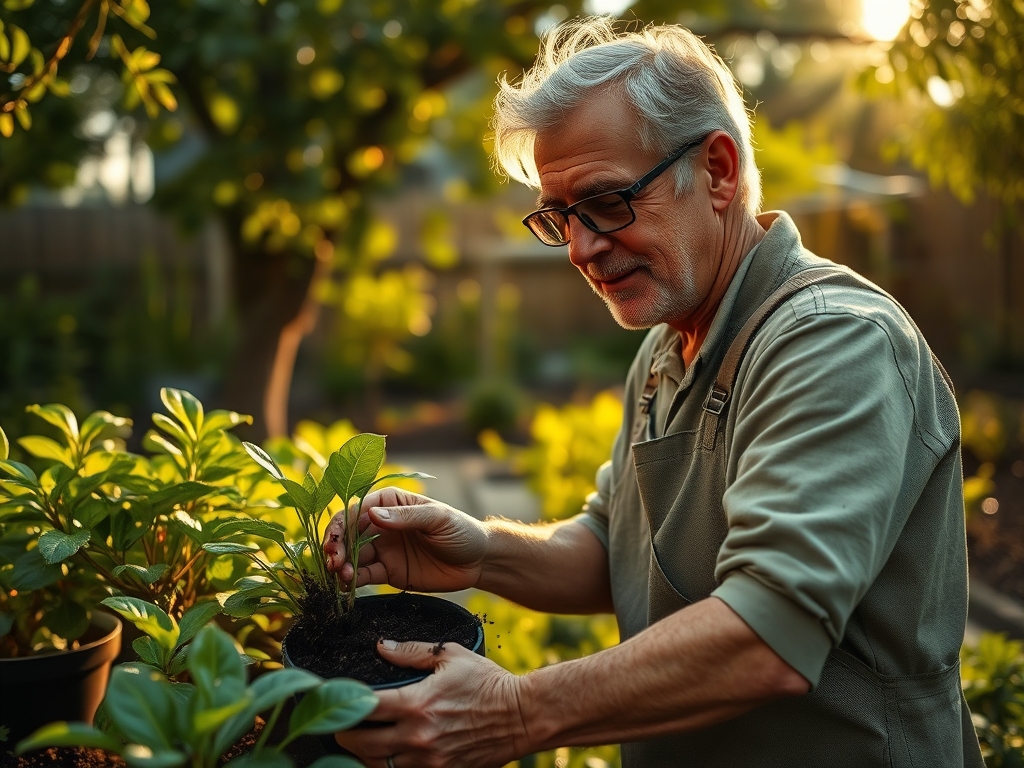
Sowing and Propagation
Most low light plants are propagated via rhizome division or stem cuttings rather than seeds. When taking a cutting, ensure at least two nodes are present. Submerge the nodes in a sterile medium or water.
Pro-Tip: Use a rooting hormone containing Indole-3-butyric acid to stimulate auxin suppression in the lateral buds, forcing the plant to prioritize primary root initiation.
Transplanting
Move the plant when roots begin to circle the interior of the pot. Select a container only one to two inches larger in diameter than the current one. Excess soil volume holds surplus water that the plant cannot transpire, leading to fungal pathogens.
Pro-Tip: Dust the root ball with mycorrhizal fungi before backfilling. This symbiotic relationship expands the surface area of the root system, allowing for more efficient phosphorus uptake in low-energy environments.
Establishing
The first six weeks after potting are critical. Place the plant in a location with 50 to 150 foot-candles of light. Monitor the leaves for drooping, which indicates a loss of turgor pressure.
Pro-Tip: Avoid rotating the plant excessively. Frequent movement triggers phototropism, forcing the plant to expend precious glucose reserves to reorient its foliage toward the light source.
The Clinic:
Physiological disorders in low light environments are often misdiagnosed as infectious diseases.
- Symptom: Yellowing of lower leaves (Chlorosis).
Solution: This is often a Nitrogen deficiency. The plant is mobile-nutrient scavenging, pulling nitrogen from old growth to support new buds. Apply a 5-5-5 liquid fertilizer.
- Symptom: Brown, crispy leaf margins.
Solution: Low humidity or fluoride toxicity from tap water. Switch to distilled water and maintain humidity levels above 40 percent.
- Symptom: Soft, blackened stems at the soil line.
Solution: Pythium root rot. This is caused by over-irrigation. Remove the plant, prune away necrotic roots with bypass pruners, and repot in fresh, dry substrate.
- Symptom: Edema (small bumps on the underside of leaves).
Solution: The plant is absorbing water faster than it can transpire it. Increase airflow and reduce watering frequency.
Maintenance:
Precision is the difference between a surviving plant and a thriving one. Use a soil moisture meter to check the depth of dryness. For most low light species, wait until the top 2 inches of soil are dry before irrigating. When you water, apply enough so that 10 percent of the volume drains from the bottom holes; this flushes out accumulated mineral salts.
Clean the foliage monthly. Dust blocks the stomata and reduces the amount of light reaching the chloroplasts. Use a damp cloth to wipe both the adaxial and abaxial surfaces of the leaves. Use a hori-hori knife to loosen the top inch of soil occasionally; this prevents "capping," where the soil surface becomes hydrophobic and prevents water from reaching the root zone. Prune dead or dying tissue with sterilized bypass pruners to prevent the spread of opportunistic pathogens.
The Yield:
While most low light houseplants are grown for foliage, some species like the Peace Lily (Spathiphyllum) produce spathes. To maximize the longevity of these blooms, maintain a consistent temperature of 70 degrees Fahrenheit. Once the spathe begins to turn green, it is entering senescence. Cut the flower stalk at the base using a sharp blade to redirect energy back into leaf production. For foliage-only plants, "harvesting" involves taking strategic cuttings to maintain the plant's shape. Always cut just above a node to encourage branching and a denser habit.
FAQ:
How much light do low light plants actually need?
Most require a minimum of 50 to 100 foot-candles. This equates to the light found in a north-facing window or a spot 10 feet away from a bright window. Total darkness will eventually result in plant death.
How often should I water low light houseplants?
Frequency depends on evaporation rates, but generally every 10 to 14 days. Always use the "finger test" or a moisture meter to ensure the top 30 percent of the substrate is dry before adding more water.
What is the best fertilizer for low light growth?
Use a balanced, water-soluble fertilizer like a 10-10-10 ratio. Apply at half-strength only during the active growing season from April to September. Over-fertilizing in low light causes toxic salt accumulation and root burn.
Why are the tips of my plants turning brown?
This is usually caused by low ambient humidity or high chlorine levels in municipal water. Increase local humidity to above 40 percent and use filtered or distilled water to prevent mineral salts from burning the leaf tips.