10 Detailed Ways How to Build a Backyard Waterfall
Damp earth underfoot signals the precise moment of saturation where soil structure meets hydraulic potential. Successful installation depends on understanding the turgor of the surrounding flora and the structural integrity of the substrate. Learning how to build a backyard waterfall requires more than aesthetic placement; it demands an engineering mindset focused on flow rates and pressure gradients. You are manipulating a micro-ecosystem where water velocity must balance with the biological needs of the riparian zone.
Materials:

The foundation of any aquatic feature is the soil profile surrounding the excavation site. You require a **friable loam** with a high **Cation Exchange Capacity (CEC)** to support the marginal plants that stabilize the edges. The ideal soil pH for this zone sits between **6.2 and 6.8** to ensure nutrient availability. When selecting fertilizers for the surrounding landscape, look for a low-phosphorus NPK ratio like **10-2-8**. High phosphorus runoff into the water column triggers rapid algae proliferation through eutrophication.
Essential hardware includes a 45-mil EPDM rubber liner, which offers superior flexibility and UV resistance compared to PVC. For the hydraulic system, a submersible pump rated for 1.5 times the total volume of the pond per hour is the standard. Use 2-inch flexible PVC piping to minimize friction loss. Incorporate a biological filter containing high-surface-area media to provide a substrate for nitrifying bacteria, which convert toxic ammonia into nitrates.
Timing:
Installation should align with the dormant season or early spring before the "Biological Clock" triggers the transition from vegetative to reproductive stages in local flora. In Hardiness Zones 5 through 7, the window opens once the ground thaws but before the first flush of growth, typically between March 15 and April 20. This timing allows the rhizosphere of transplanted marginals to establish before the high transpiration demands of summer.
Monitoring the frost-date window is critical for the structural integrity of the concrete or mortar used in the falls. Do not pour when overnight temperatures drop below 40 degrees Fahrenheit, as this disrupts the chemical curing process. For the plants, the photoperiod must be increasing to support the energy demands of root regeneration following the disturbance of construction.
Phases:

### Sowing the Foundation
Excavation begins with tiered shelving. Each shelf should be **12 to 18 inches wide** to accommodate aquatic planters. The vertical drop for the waterfall should not exceed **24 inches** per tier to prevent excessive splashing and water loss through evaporation. Use a transit level to ensure the header pool is perfectly horizontal.
Pro-Tip: Compact the subsoil to a density of 95 percent to prevent settling. This prevents structural shifting that causes "liner tug," which can lead to stress fractures in the root systems of nearby specimen trees due to soil compression.
Transplanting the Riparian Zone
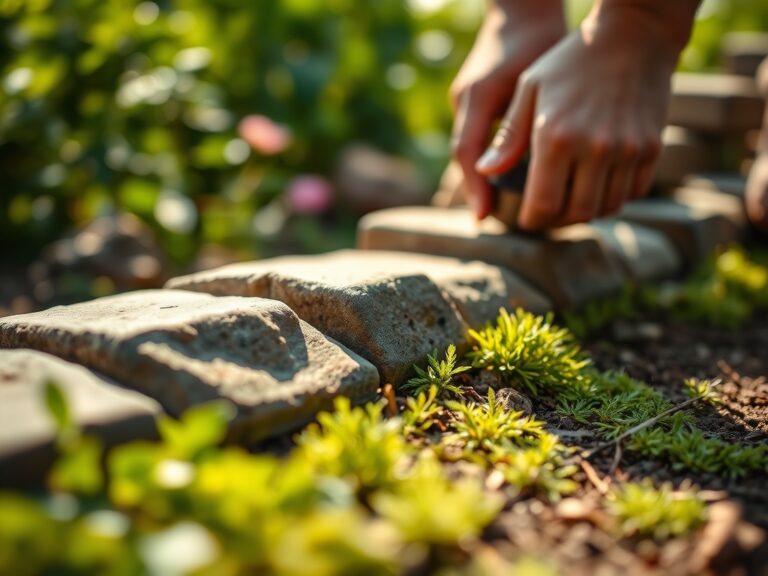
Once the liner is secured with weathered fieldstone, introduce marginal plants like Iris pseudacorus or Carex. Place these in heavy clay soil within perforated pots. The clay prevents the 10-2-8 fertilizer from leaching directly into the water column.
Pro-Tip: Position plants with high leaf surface areas in the splash zone to utilize foliar absorption. Mycorrhizal symbiosis is enhanced in these damp margins, as the fungi bridge the gap between the saturated pond edge and the drier upland soil.
Establishing the Flow
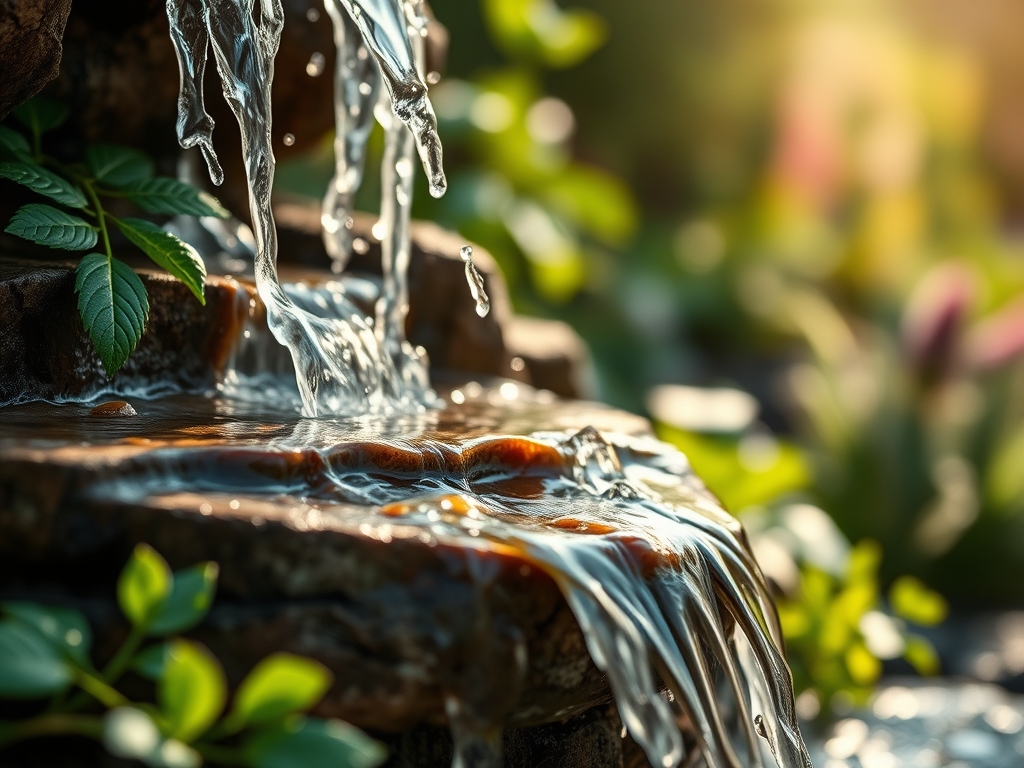
The final phase involves the "tuning" of the weir stone. This flat rock dictates the character of the water sheet. Use black waterfall foam to seal gaps under the stone, forcing all water over the top. This ensures maximum aeration, which increases dissolved oxygen levels for the aerobic bacteria in the filter.
Pro-Tip: Maintain a steady flow to suppress auxin accumulation in submerged aquatic plants. Constant movement prevents stagnant pockets where gases like hydrogen sulfide can build up and inhibit root respiration.
The Clinic:
Physiological disorders in the waterfall environment often manifest through the surrounding vegetation.
Symptom: Interveinal chlorosis (yellowing leaves with green veins) on marginal plants.
Solution: This indicates an iron deficiency, often caused by a pH rising above 7.5. Lower the pH by adding elemental sulfur to the surrounding soil or using an aquatic-safe chelated iron supplement.
Symptom: Slime flux or soft rot at the base of surrounding shrubs.
Solution: Excessive splashing has created a localized anaerobic zone. Improve drainage by incorporating expanded shale into the soil to increase macropore space.
Symptom: Nitrogen Chlorosis (uniform pale green or yellow leaves).
Fix-It: Apply a slow-release nitrogen source with an NPK of 15-0-0 to the upland side of the waterfall. Ensure the application is at least 3 feet from the water's edge to prevent runoff.
Maintenance:
Precision maintenance requires the right toolkit. Use a soil moisture meter twice weekly to check the margins; they should consistently register between 60 and 80 percent saturation. During the peak growing season, surrounding ornamental plants require 1.5 inches of water per week at the drip line, accounting for any supplemental misting from the waterfall.
Pruning is essential to prevent organic debris from overloading the nitrogen cycle. Use bypass pruners for clean cuts on soft-stemmed aquatic plants and a hori-hori knife for dividing overgrown rhizomes in the spring. Remove any leaf litter from the skimmer basket daily to prevent the release of tannins, which can lower the light penetration necessary for submerged oxygenating plants.
The Yield:
While a waterfall is primarily a structural feature, the "yield" is measured in the biomass of the surrounding bio-filter plants. When harvesting watercress or thinning aquatic iris, cut stems at a 45-degree angle to maximize the surface area for healing. To handle the plants post-harvest for "day-one" freshness, immediately submerge the roots in a bucket of de-chlorinated pond water. This maintains turgor pressure and prevents the vascular system from air-locking, which is vital if you are transporting specimens to another water feature.
FAQ:
How deep should the pond basin be?
For most temperate climates, a minimum depth of 24 to 36 inches is required. This depth provides a thermal buffer, preventing the water from fluctuating too rapidly in temperature and protecting the biological filter during winter dormancy.
How do I calculate the pump size?
Determine the total gallons in your system. For a waterfall, you need a pump that moves the entire volume every 45 to 60 minutes. Account for "head pressure," which is the vertical height the water must be lifted.
What is the best liner for a waterfall?
A 45-mil EPDM rubber liner is the industry standard. It remains flexible in temperatures as low as minus 40 degrees Fahrenheit and resists punctures from rocky substrates better than thinner HDPE or PVC alternatives.
How do I stop the waterfall from leaking?
Most leaks occur at the weir or the edges where the liner has settled. Ensure the liner is pulled 6 inches above the maximum water level. Use professional-grade waterfall foam to seal the underside of the spillway stones.