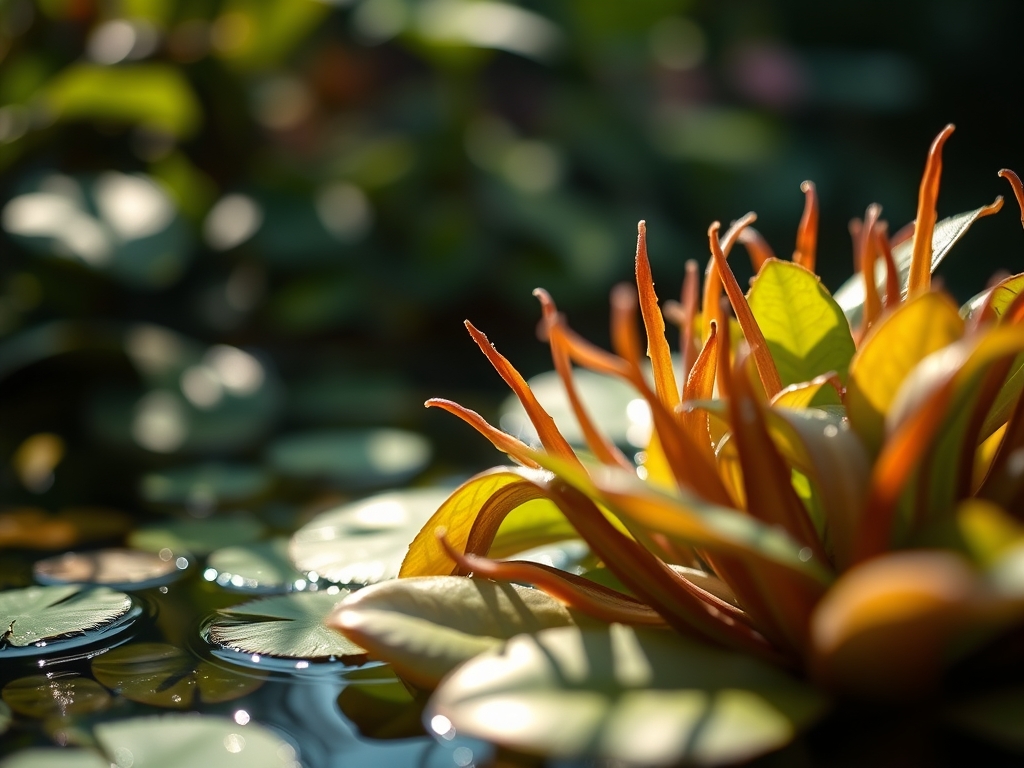
9 Best Aquatic Plants for Ponds
The scent of anaerobic decomposition signifies a failing ecosystem; conversely, the crisp aroma of oxygenated water and the firm turgor of a healthy leaf indicate a pond in biological equilibrium. Selecting the best aquatic plants for ponds requires more than aesthetic preference. It demands an understanding of gas exchange and nutrient cycling within a closed hydraulic system. These botanical filters manage nitrogenous waste while providing structural stability to the benthic zone. Success depends on matching the physiological requirements of the species to the specific chemical parameters of your water column.
Materials:
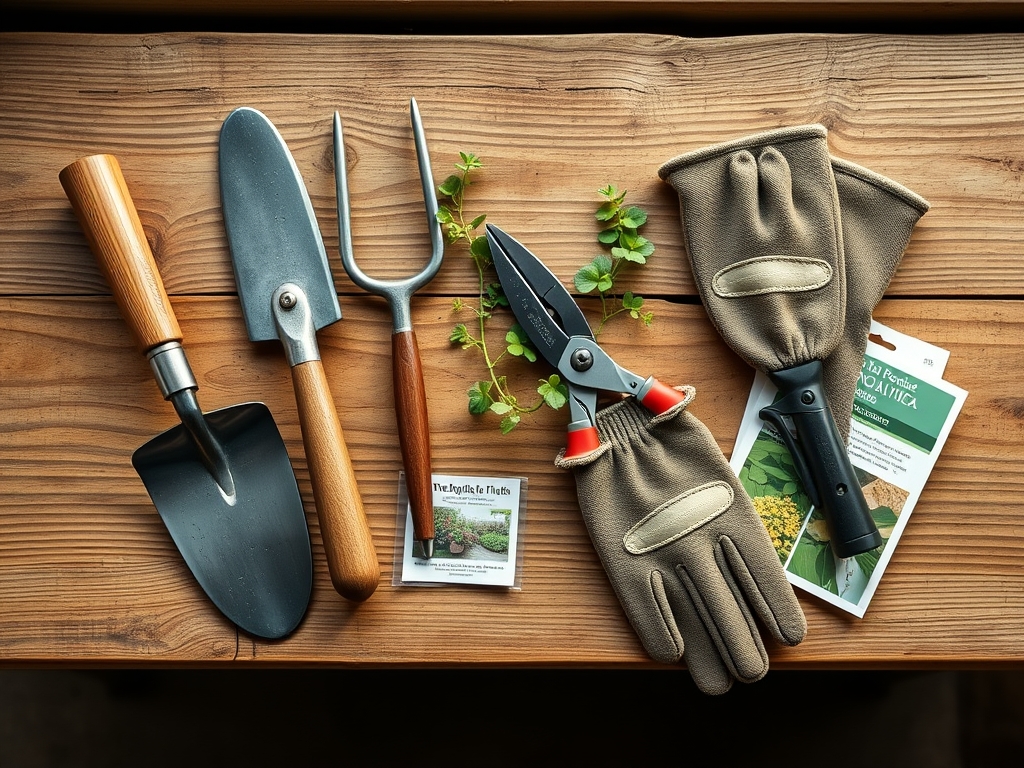
Aquatic plants require specialized substrates to prevent nutrient leaching into the water column, which triggers algal blooms. The ideal substrate is a friable loam with high clay content. This texture provides a high Cation Exchange Capacity (CEC), allowing the soil to hold onto essential nutrients like ammonium and potassium.
- Substrate pH: Maintain a range between 6.5 and 7.5. Extreme acidity or alkalinity disrupts the availability of micronutrients like iron and manganese.
- NPK Ratios: For established lilies and heavy feeders, use a slow-release 10-26-10 formula. The high phosphorus content supports rhizome development and flower initiation. For submerged oxygenators, a balanced 10-10-10 is sufficient.
- Physical Barrier: Cap the loam with 1 to 2 inches of washed pea gravel (3/8 inch diameter). This prevents fish from disturbing the rhizosphere and keeps the soil from clouding the water.
Timing:
Most aquatic species thrive in Hardiness Zones 4 through 11, though specific selections vary. The critical window for installation begins when water temperatures consistently reach 60 degrees Fahrenheit (15.5 degrees Celsius). This temperature threshold signals the end of dormancy and the start of the vegetative stage.
The biological clock of an aquatic plant is governed by the photoperiod. As day length increases in spring, auxins accumulate in the apical meristems, driving rapid vertical growth. By midsummer, the plant transitions to the reproductive stage, diverting energy from leaf production to flowering. In autumn, as temperatures drop below 50 degrees Fahrenheit, the plant enters senescence. During this phase, nutrients are translocated from the foliage back into the rhizomes or tubers for winter storage.
Phases:

Sowing and Propagation
Most pond plants are introduced via rhizome divisions or nursery stock rather than seeds. For species like Nymphaea (Water Lily), position the rhizome at a 45-degree angle with the growing tip exposed above the soil line.
Pro-Tip: Ensure the growing tip is not buried. This prevents crown rot by maintaining oxygen access to the meristematic tissue, a process critical for preventing anaerobic pathogens from colonizing the plant base.
Transplanting
When moving plants into the pond, gradual depth adjustment is mandatory. Place new pots on a shelf where they sit only 2 to 4 inches below the surface. Over two weeks, lower them to their final depth of 12 to 24 inches.
Pro-Tip: This gradual descent manages turgor pressure. Rapidly increasing the water pressure on a young leaf can collapse the aerenchyma (air-filled tissues), effectively drowning the plant before it can adapt its cellular structure to the deeper environment.
Establishing the Best Aquatic Plants for Ponds
The following nine species represent the gold standard for pond health and filtration:
- Nymphaea (Water Lily): Provides surface coverage to inhibit algae.
- Ceratophyllum demersum (Hornwort): A superior submerged oxygenator.
- Iris pseudacorus (Yellow Flag Iris): Excellent for heavy metal uptake in marginal zones.
- Pontederia cordata (Pickerel Weed): Stabilizes shorelines with dense root mats.
- Equisetum hyemale (Horsetail): High silica content provides structural rigidity.
- Sagittaria latifolia (Arrowhead): Deep-reaching roots improve soil aeration.
- Ludwigia peploides (Water Primrose): Rapidly consumes excess nitrates.
- Eleocharis acicularis (Dwarf Hairgrass): Creates a "carpet" that prevents substrate erosion.
- Acorus calamus (Sweet Flag): Releases phytoncides that may suppress harmful bacteria.
Pro-Tip: Utilize mycorrhizal symbiosis by inoculating the substrate during planting. These fungi extend the root system's reach, increasing the absorption of phosphorus and improving the plant's resistance to environmental stressors.
The Clinic:
Physiological disorders in aquatic environments often manifest as visible changes in leaf morphology or color.
- Symptom: Interveinal Chlorosis. (Yellowing between leaf veins while veins remain green).
- Solution: This indicates an Iron deficiency. Check water pH; if it exceeds 7.5, iron becomes insoluble. Use chelated iron tabs pushed 3 inches into the root zone.
- Symptom: Spindly, elongated stems with small leaves.
- Solution: This is Etiolation, caused by insufficient light. Aquatic plants generally require 6 to 8 hours of direct sunlight. Thin out overhanging terrestrial canopy or move the plant to a shallower shelf.
- Symptom: Marginal Necrosis. (Browning of leaf edges).
- Solution: Often a sign of Potassium deficiency. Supplement with a K-heavy aquatic fertilizer. Ensure the water flow is not directly hitting the foliage, as mechanical stress can mimic nutrient burn.
- Fix-It for Nitrogen Chlorosis: If older leaves turn uniformly pale yellow, the plant is scavenging nitrogen for new growth. Insert a 10-10-10 fertilizer spike directly into the substrate at the start of the growing season.
Maintenance:
Precision maintenance prevents the pond from becoming a nutrient sink. Use a hori-hori knife to divide overgrown rhizomes every 2 to 3 years. This prevents the center of the plant from becoming necrotic. When pruning spent lilies or yellowing foliage, use bypass pruners to make clean cuts 2 inches above the crown. Ragged tears invite fungal infection.
Monitor the water level daily. A drop of more than 1 inch per week (excluding evaporation) may indicate a liner breach. Use a soil moisture meter on marginal plants located in bog areas to ensure the substrate remains saturated but not stagnant. For submerged species, mechanical thinning is required once they occupy more than 25 percent of the pond's volume to ensure adequate swimming space for fish and light penetration for lower-tier plants.
The Yield:
For flowering species like Nymphaea, harvest blooms early in the morning when turgor pressure is at its peak. Cut the stem at a 45-degree angle under the water line to prevent air embolisms in the xylem. To maintain "day-one" freshness for indoor display, immediately submerge the entire stem in a tall vase of conditioned water at 65 degrees Fahrenheit. For edible varieties like Sagittaria (Arrowhead) tubers, harvest in late autumn after the foliage has died back. The tubers will be at their highest starch concentration and can be stored in a cool, damp cellar at 40 degrees Fahrenheit.
FAQ:
How deep should I plant my water lilies?
Most hardy lilies thrive at a depth of 18 to 24 inches. Tropical varieties prefer shallower depths of 6 to 12 inches. Always measure from the top of the pot to the water surface for accuracy.
Why are my pond plant leaves turning yellow?
Yellowing, or chlorosis, typically indicates a Nitrogen or Iron deficiency. It can also result from a pH imbalance above 7.5, which locks out essential micronutrients. Test your water parameters and apply targeted root zone fertilization.
Do aquatic plants need special soil?
Yes. Use a heavy clay-based loam. Avoid standard potting soils containing peat, perlite, or vermiculite, as these will float and leach nutrients into the water, causing massive algal blooms and oxygen depletion.
How do I stop my pond plants from spreading too much?
Containment is key. Plant all aquatic species in non-porous pots rather than directly in the pond floor. This restricts rhizome expansion and allows for easier removal during maintenance or winterization phases.