8 Sleek Ways How to Design a Contemporary Garden
The scent of damp, anaerobic decomposition signals a failure in drainage, while the crisp snap of a leaf with high turgor pressure indicates a cellular structure optimized by proper hydration. Mastering how to design a contemporary garden requires moving beyond aesthetics into the realm of architectural botany and precise soil physics. This discipline demands a rigorous understanding of how geometric hardscaping interacts with the living rhizosphere to create a balanced, high-performance ecosystem.
Successful contemporary design relies on the deliberate manipulation of space and light. You are not merely planting; you are engineering a microclimate where air circulation prevents fungal pathogens and structural lines guide the eye toward focal points. Every element must serve a functional purpose. A concrete retaining wall is not just a boundary; it is a thermal mass that regulates ambient temperatures for nearby specimen plants. By integrating hard materials with soft, high-texture foliage, you achieve a professional finish that remains biologically viable across changing seasons.
Materials:
The foundation of any contemporary garden is the substrate. For high-density architectural plantings, you require a friable loam with a Cation Exchange Capacity (CEC) of 15 to 25 milliequivalents per 100 grams. This ensures the soil can effectively hold and exchange essential nutrients like potassium and magnesium.
Target a soil pH of 6.2 to 6.8 for maximum nutrient bioavailability. Use the following NPK ratios based on the growth stage:
- Establishment Phase: Use a 5-10-5 ratio to encourage vigorous root architecture through phosphorus loading.
- Vegetative Phase: Transition to a 10-5-5 ratio to support chlorophyll production and leaf expansion.
- Structural Maintenance: Apply a balanced 10-10-10 slow-release fertilizer at a rate of 1 pound of nitrogen per 1,000 square feet annually.
Physical materials should include non-calcareous gravel for drainage layers and powder-coated steel for edging to prevent leaching of heavy metals into the root zone.
Timing:
Timing is dictated by the Biological Clock of your specific Hardiness Zone. In Zones 7 through 9, the primary planting window occurs when soil temperatures stabilize at 55 degrees Fahrenheit. This temperature threshold triggers the metabolic activation of soil microbes, which are essential for nutrient cycling.
Understand the transition from vegetative to reproductive stages. Photoperiodism dictates when your structural grasses will flower. For contemporary designs using Miscanthus or Calamagrostis, ensure they are installed at least six weeks before the first hard frost. This allows the root system to establish sufficient carbohydrate reserves in the crown before the plant enters senescence.
Phases:

Sowing and Site Preparation
Clear the site of all perennial weeds. Use a mechanical tiller to incorporate organic matter to a depth of 12 inches. Ensure the grade slopes away from structures at a 2 percent minimum to prevent water logging in the rhizosphere.
Pro-Tip: Focus on the mycorrhizal symbiosis. Inoculating the soil with beneficial fungi increases the surface area of the root system by up to 100 times, allowing plants to access deep-seated phosphorus and water during drought stress.
Transplanting
When moving specimen plants, maintain the integrity of the root ball. Dig a hole twice the width of the container but no deeper. Planting too deep causes stem rot and oxygen deprivation.
Pro-Tip: Be aware of auxin suppression. When you prune the apical meristem (the top tip) during transplanting, you reduce the downward flow of auxins. This encourages lateral branching and a fuller, more modern structural habit.
Establishing
During the first 21 days, the plant is most vulnerable to desiccation. Monitor the soil moisture daily using a digital probe. Aim for a consistent moisture level of 60 percent field capacity.
Pro-Tip: Utilize phototropism to your advantage. Space plants according to their mature width to prevent them from "stretching" toward light sources, which creates weak, leggy stems that ruin the clean lines of a contemporary design.
The Clinic:
Physiological disorders often mimic infectious diseases. Accurate diagnosis is critical for intervention.
- Symptom: Interveinal chlorosis on new leaves (yellowing between green veins).
- Diagnosis: Iron Deficiency.
- Fix-It: Apply chelated iron foliar spray or lower the soil pH if it exceeds 7.0.
- Symptom: Leaf margins appearing scorched or "burnt."
- Diagnosis: Potassium Deficiency or salt accumulation.
- Fix-It: Flush the soil with 2 inches of water to leach salts and apply potassium sulfate.
- Symptom: Sudden wilting despite moist soil.
- Diagnosis: Root Rot (Phytophthora) caused by poor drainage.
- Fix-It: Improve soil porosity by adding perlite or expanded shale and reduce irrigation frequency.
- Symptom: Purple tinting on the underside of older leaves.
- Diagnosis: Phosphorus Deficiency, often occurring in cold soils.
- Fix-It: Increase soil temperature with organic mulch and apply a high-phosphorus starter fertilizer.
Maintenance:
Precision maintenance separates a professional landscape from an amateur plot. Deliver exactly 1.5 inches of water per week at the drip line. Use a soil moisture meter to verify that water is penetrating to a depth of 8 inches.
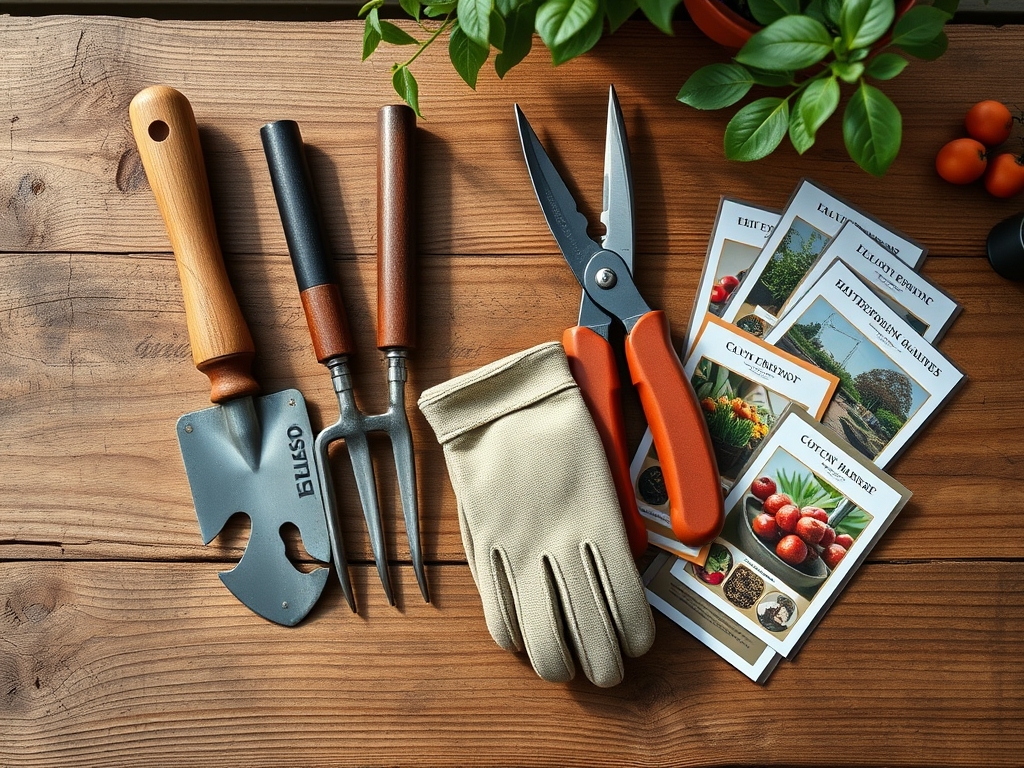
For pruning, use bypass pruners for clean cuts that heal quickly; anvil pruners crush the vascular tissue (xylem and phloem). Use a hori-hori knife for precise weeding and planting in tight geometric patterns. Mulch with 2 inches of double-shredded hardwood to suppress weed germination and regulate soil temperature fluctuations.
The Yield:
If your contemporary design includes "edimentals" like Cynara cardunculus (Cardoon) or structural herbs, harvest timing is paramount. Harvest during the early morning when turgor pressure is at its peak. This ensures the plant tissues are fully hydrated.
Use a sharp, sterilized blade to make a clean 45-degree cut. For flowers, immediately submerge the stems in 110-degree Fahrenheit water to remove air bubbles from the xylem. This process, known as conditioning, extends the post-harvest life by maintaining hydraulic conductivity within the stem.
FAQ:
How do I choose plants for a contemporary look?
Select plants with strong architectural forms and consistent textures. Focus on species with structural foliage like Agave or Carex. Limit the color palette to three primary tones to maintain a clean, high-contrast aesthetic.
What is the best mulch for modern gardens?
Use dark, uniform materials like black basalt chips or fine-textured dark wood mulch. These materials provide a high-contrast backdrop for green foliage. Ensure the mulch is inorganic or well-composted to prevent nitrogen drawdown in the soil.
How often should I test my soil?
Conduct a professional laboratory soil test every 24 months. This provides data on pH, organic matter percentage, and micronutrient levels. Regular testing prevents the over-application of fertilizers, which can lead to nutrient runoff and groundwater contamination.
Can I use concrete in the root zone?
Concrete can leach lime, which raises the soil pH. If using concrete near acid-loving plants, apply a penetrating sealer to the masonry. Monitor the soil pH within 2 feet of concrete structures to ensure it remains within the target range.